A Dialogue of Eras: The Soul of Bernau
In the quiet northeast of Berlin, where the landscape of Brandenburg begins to whisper its ancient secrets, lies a destination that defies the linear progression of time. The Unsere Liebe Frau museum is not merely a repository for artifacts; it is a profound architectural and historical conversation between two vastly different worlds. To step into this institution is to witness a breathtaking juxtaposition where the rugged, defensive spirit of the Middle Ages meets the stark, geometric idealism of the GDR era. For the art lover and the historian alike, the museum offers a rare opportunity to contemplate how human identity is forged through both the stone walls of fortification and the concrete silhouettes of modernism.
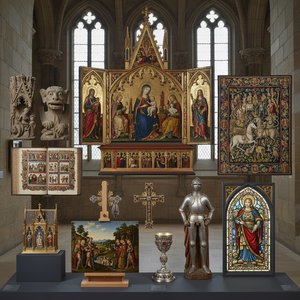
The Echoes of Medieval MightThe journey begins within the formidable embrace of the Steintor, the historic gate that stands as a silent sentinel to Bernau’s storied past. Here, the air feels heavy with the memory of the Hussite Wars, and the museum meticulously preserves the tension of those turbulent centuries. Visitors are invited to wander through displays of weaponry and armor, pieces that serve as visceral reminders of the town's defensive prowess. This medieval narrative is further deepened by the exploration of guild symbols and local traditions, where the intricate emblems of ancient craftsmen reveal the complex social fabric of a community built on trade and shared resilience. The museum breathes life into these relics, transforming cold steel and weathered stone into a vivid tapestry of human struggle and triumph.
Justice and ModernityAs one moves away from the defensive gates, the narrative shifts toward the more somber and introspective Henkerhaus. This structure, steeped in the history of justice and punishment, provides a poignant counterpoint to the martial glory of the Steintor. It serves as a haunting reminder of the severity of medieval legal practices, grounding the museum's collection in the raw reality of human consequence. Yet, just as one settles into the weight of the past, the museum pivots toward a startlingly different horizon: the GDR architecture and heritage section. This part of the collection chronicles the transformative era of socialist rule, showcasing the deliberate shift from traditional timber-framed aesthetics to the bold, modernist housing estates that redefined the skyline. It is a masterful curation of ideological change, illustrating how the very shape of a city can reflect the political heartbeat of a nation.
A Legacy of Craft and CultureBeyond the grand architectural shifts, Unsere Liebe Frau celebrates the intimate rhythms of local life, most notably through its tribute to Bernau’s enduring brewing tradition. The museum explores how the industrial evolution of beer production became a cornerstone of the local economy and a vital thread in the town's social identity. For the interior designer or collector seeking inspiration in the intersection of heritage and industry, the museum offers a rich palette of textures—from the organic warmth of medieval craftsmanship to the clean, uncompromising lines of twentieth-century design. It is this unique ability to encapsulate two distinct chapters of German history within a single, cohesive experience that makes this museum an essential pilgrimage for those who find beauty in the layers of time.