
A Journey Through Justice & Artistic Expression: Preston Crown Court
Preston Crown Court stands as more than just a courthouse; it’s a testament to Lancashire’s legal heritage interwoven with the beauty of art. Located in Harris Street, Preston, this Grade II* listed building embodies Edwardian Baroque grandeur and houses a remarkable collection that offers visitors an unparalleled glimpse into both history and artistic innovation.
Originally conceived as a replacement for an older Sessions House, the Court’s construction began in 1904 under the visionary guidance of Henry Littler. The architectural style—Edwardian Baroque—immediately commands attention with its towering façade crafted from Longridge stone, reflecting the ambition and sophistication of the era. Its symmetrical design speaks volumes about the values of order and authority prevalent during that period.
Exploring Courtroom History & Artistic Treasures
- Courtroom History: Delve into the evolution of legal proceedings within Lancashire. Observe how courtroom spaces have adapted over time, mirroring societal shifts and technological advancements. The meticulous detailing of the interior—stained glass windows depicting scenes from jurisprudence—provides a visual chronicle of legal history.
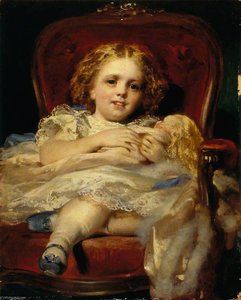
- Art Collections: Preston Crown Court’s artistic treasures include pieces by Alfred Borron Clay and Daniel Macnee. Clay's landscapes capture the serene beauty of Lancashire countryside, utilizing muted tones and textured brushstrokes to convey tranquility. Macnee’s portraits showcase remarkable realism and technical skill, capturing subjects with nuanced expressions.
Beyond its architectural splendor and artistic holdings, Preston Crown Court holds a significant place in British legal lore. It served as the venue for pivotal trials, notably Jon Venables and Robert Thompson's conviction for the horrific murder of James Bulger in 1993—a case that captivated national attention and underscored the importance of justice.
Notable Trials & Legal Significance
- Iconic Cases: The Court’s history extends to Dr. Harold Shipman's conviction for multiple murders, a chilling reminder of the vulnerability inherent in human relationships and the pursuit of truth. These trials have shaped public perception of law enforcement and societal responsibility.
What distinguishes Preston Crown Court is its unique status as a functioning courthouse alongside a museum—a rare combination that allows visitors to experience legal proceedings firsthand while immersing themselves in artistic contemplation. The building itself stands as an enduring symbol of Lancashire’s past, inviting reflection on the interplay between law and culture.
A Window Into Lancashire's Artistic Soul
The Court’s collection isn’t merely decorative; it represents a deliberate effort to enrich the visitor experience by showcasing diverse artistic styles. From Margaret Rose Preston’s evocative landscapes—inspired by Aboriginal motifs—to William Preston Dickinson’s Precisionist paintings of industrial scenes—the artworks illuminate Lancashire's cultural landscape.
- Featured Artists: Explore works by renowned artists like David Roberts and Master at the Court of Mankot, whose artistic visions reflect broader trends in European art history.
Preston Crown Court offers an unforgettable journey for anyone passionate about legal history, architectural grandeur, or the transformative power of art—a place where echoes of past trials resonate alongside masterpieces that inspire contemplation and understanding.