

A Bavarian Baroque Jewel: Unveiling Weyarn Parish Church
Nestled in the heart of Bavaria’s picturesque landscape, Weyarn Parish Church stands as a testament to centuries of faith, artistry, and architectural evolution. More than just a place of worship, it's a captivating journey through the Baroque and Rococo eras, offering a rare glimpse into the lives and creative visions of master artisans like Johann Baptist Zimmermann and Ignaz Günther. Originally conceived as an Augustinian convent church, its transformation into the magnificent parish church we see today is a story woven with layers of history, religious devotion, and breathtaking artistic achievement. This isn’t merely a building; it's a vibrant chronicle of Bavarian culture.
The church’s architectural splendor immediately commands attention. Built primarily between 1687 and 1693 under the direction of Lorenzo Sciasca, its façade embodies the grandeur of the Baroque style – soaring columns, intricate detailing, and a sense of dramatic scale designed to inspire awe and reverence. However, the true heart of the church lies within its interior, where the influence of Zimmermann is particularly pronounced. His stucco work—a dizzying display of swirling arabesques, floral motifs, and meticulously rendered figures—transforms the walls into an immersive tapestry of light and shadow. These aren’t simply decorative elements; they are expressions of faith, carefully crafted to elevate the spiritual experience. The ceiling frescoes, depicting scenes from Augustine's life, further enhance this sense of divine presence, showcasing a masterful blend of religious symbolism and artistic skill.
Sculptural Masterpieces and Rococo Elegance
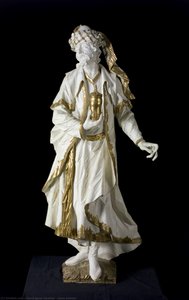
Beyond Zimmermann’s extraordinary stucco work, Weyarn Parish Church boasts an impressive collection of sculptures by Ignaz Günther. These figures, particularly those adorning the altars, are prime examples of Rococo artistry—characterized by their delicate forms, expressive faces, and a sense of playful elegance. Günther's skill lies in his ability to imbue these stone figures with palpable emotion, capturing moments of profound faith and human drama. The processional carvings, commissioned for the church, are particularly noteworthy, depicting biblical scenes with remarkable detail and dynamism. These sculptures aren’t static representations; they seem poised to move, bringing the stories of the Bible to life within the sacred space.
A Collection Spanning Centuries
The church's collection extends far beyond its stunning interior decoration, offering a rich tapestry of religious art spanning several centuries. Visitors can explore a diverse range of ecclesiastical art from the 17th through the 19th centuries – paintings depicting saints and biblical scenes, intricately crafted reliquaries, and liturgical objects used in worship. Furthermore, the church houses a fascinating array of medieval to 18th-century religious artifacts—vestments, chalices, crosses, and other items that provide insight into the rituals and practices of bygone eras. These pieces collectively tell a story of evolving artistic styles and enduring faith.
A Unique Cultural Experience
What truly distinguishes Weyarn Parish Church is its unique confluence of historical context, artistic brilliance, and spiritual significance. It’s not simply a beautiful building; it's a living testament to the cultural heritage of Bavaria. The church’s evolution from a convent to a parish reflects the changing social and religious landscape of the region. The contributions of Zimmermann and Günther—two giants of their respective crafts—elevate the church to an extraordinary level of artistic achievement. Visiting Weyarn Parish Church is more than just sightseeing; it's an immersive experience that connects you with centuries of history, faith, and artistic expression – a truly remarkable destination for art enthusiasts and those seeking a deeper understanding of Bavarian culture.


