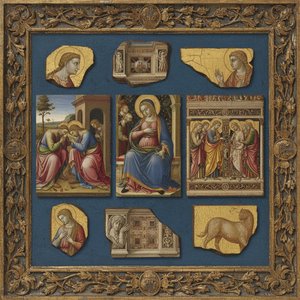
Palazzo Strozzi – A Florentine Legacy Forged in Stone and Light
Palazzo Strozzi stands as a testament to Florentine ambition, rivalry, and the enduring spirit of Renaissance ideals—a building that transcends mere architectural grandeur to embody the very essence of artistic patronage and cultural transformation. Located in the heart of Florence between Via Strozzi and Piazza Strozzi, this palazzo isn’t simply a repository of masterpieces; it's a narrative unfolding across centuries, inviting visitors into a dialogue with history itself.
- A Monument to Rivalry: Constructed between 1489 and 1538, Palazzo Strozzi arose from the fierce competition between Filippo Strozzi the Elder and Cosimo I de’ Medici for dominance in Florentine society. Strozzi envisioned a palace that would proclaim his family's wealth and political stature—a bold declaration etched in stone intended to challenge the opulent symbols of Medici power.
- Architectural Harmony: Benedetto da Maiano skillfully blended influences from Roman architecture with Florentine traditions, creating a façade reminiscent of Palazzo Medici but imbued with a refined sense of proportion and balance. The palazzo’s symmetrical design exudes order and tranquility, reflecting the Renaissance preoccupation with classical ideals.
- The Courtyard – A Tranquil Oasis: At the palazzo's core lies a magnificent courtyard inspired by Michelozzo’s designs—a serene space bathed in soft light that accentuates the delicate details of the stonework. This internal sanctuary served as a focal point for artistic contemplation and social gatherings during the Renaissance.
- The Ferro – Florentine Craftsmanship: Elaborate wrought-iron elements adorn the palazzo's exterior, showcasing the unparalleled skill of Niccolò Grosso—a celebration of Florentine craftsmanship that embodies the spirit of innovation and beauty characteristic of the era.
Beyond its architectural splendor, Palazzo Strozzi’s significance lies in its role as a dynamic cultural hub. Unlike many historic palaces dedicated solely to permanent collections, it has consistently championed temporary exhibitions—bringing together artists from across Europe and fostering intellectual discourse. Recent shows have captivated audiences with the evocative canvases of Cézanne alongside the intensely personal creations of Tracey Emin, demonstrating Palazzo Strozzi’s commitment to both canonical figures and emerging voices.
Furthermore, exploring Palazzo Strozzi offers insight into the broader context of Florentine history—particularly the legacy of the Strozzi family and their patronage of the arts. Adjacent to the palazzo is Cappella Strozzi, a Renaissance chapel that reflects the family’s devout faith and artistic sensibilities. Its frescoes and sculptures provide a glimpse into the private world of the Strozzi lineage, reminding us that Palazzo Strozzi isn't merely a building; it's a portal into a captivating chapter of Florentine culture—a place where ambition, artistry, and familial pride converged to create something truly extraordinary.
Today, Palazzo Strozzi continues to inspire visitors with its breathtaking beauty and rich artistic heritage. Its ongoing exhibitions ensure that this Florentine landmark remains at the forefront of cultural innovation, inviting exploration and contemplation for generations to come.