A Living Chronicle of Umbrian Grandeur
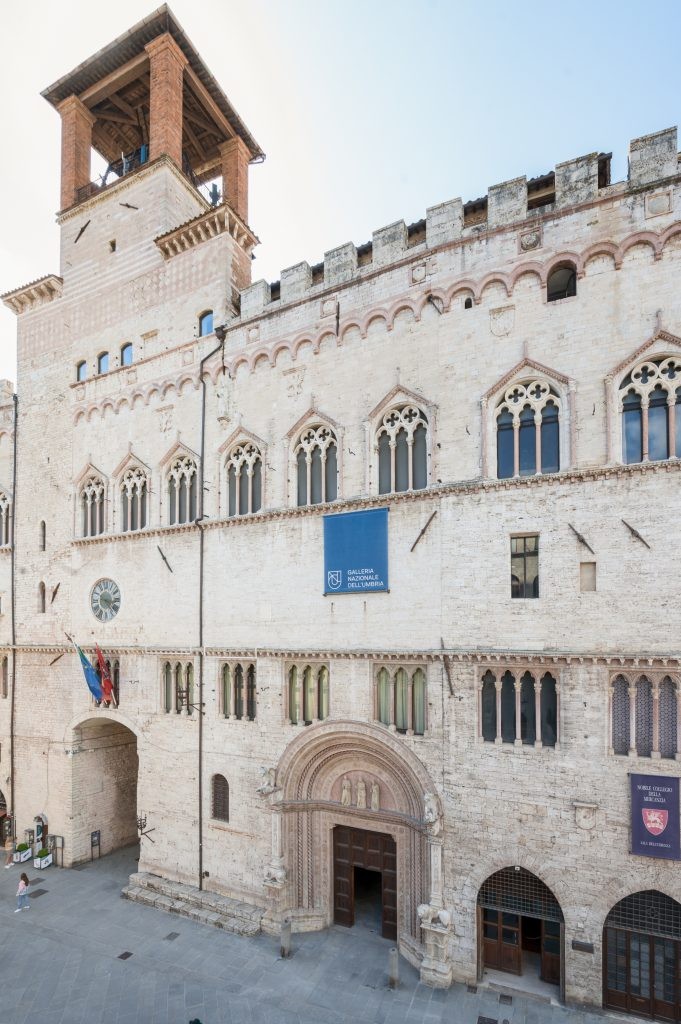
Perugia’s Palazzo Pubblico stands as an unparalleled testament to Italian artistic heritage, housing the Galleria Nazionale dell'Umbria—a singular institution where art history breathes life into architectural grandeur. Constructed in the late medieval period and evolving through Renaissance influences, this palace is far more than a mere building; it is a profound chronicle of Umbrian culture spanning eight centuries. Its very existence embodies the spirit of civic responsibility, having served as the seat of government for generations and witnessing the pivotal political dramas that shaped the region's identity. To walk through its halls is to step into a space where the echoes of papal decrees and republican uprisings still resonate within the stone.
The architectural journey of the Palazzo Pubblico is one of continuous transformation, beginning with an initial Lombard style that was later enriched by significant Renaissance additions. The structure exemplifies architectural innovation, featuring soaring ceilings, ornate decorations, and meticulously crafted stonework that reflect the lofty ambitions of its builders—a true reflection of Perugia’s historical aspirations for prestige and cultural excellence. Within these walls, spaces like the Sala del Consiglio serve as tangible links to a turbulent past, where deliberations on matters of state once unfolded amidst an atmosphere of intense intellectual debate.
Masterpieces of Light and Spirit
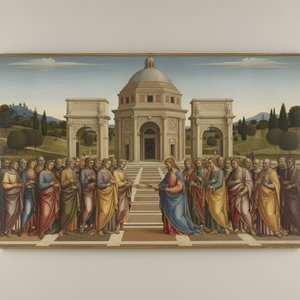
The collection held within the Galleria Nazionale dell’Umbria is nothing short of extraordinary, boasting over 10,000 artworks that offer a chronological journey through the evolution of Umbrian art. Among these treasures are masterpieces by titans such as Piero della Francesca, Luca Signorelli, Filippo Lippi, and Raffaello Sanzio—artists whose influence profoundly shaped the High Renaissance movement. One cannot traverse the palace without being captivated by the monumental frescoes in the Sala dei Maestri d’Arte; here, Signorelli’s biblical scenes unfold with breathtaking detail, employing a sophisticated use of symbolism to convey powerful moral messages and theological concepts. These works invite careful observation, revealing intricate patterns that represent both divine grace and human aspiration.
What distinguishes Palazzo Pubblico from many national galleries is its remarkable duality: it serves simultaneously as a repository of artistic masterpieces and a living symbol of enduring civic tradition. Unlike the sterile environments of modern museums, this palazzo pulsates with life, offering a space where visitors can immerse themselves in the atmosphere of history. For the art lover, it provides a deep dive into the spiritual contemplation characteristic of the Quattrocento; for the collector and interior designer, the palace presents a compelling case study in blending historical grandeur with contemporary aesthetics. The spacious halls and refined ornamentation provide an exquisite framework for creating environments that evoke elegance and sophistication, where art serves as both decoration and a profound cultural dialogue.