A Revolutionary Silhouette: The Life and Legacy of Yves Saint Laurent
Yves Henri Donat Mathieu-Saint Laurent, universally known as Yves Saint Laurent or YSL, wasn’t merely a fashion designer; he was a true architect of style, a cultural seismograph who fundamentally reshaped the landscape of 20th and 21st-century dress. Born in Oran, Algeria, in 1936, his formative years were steeped in the vibrant colors, exotic textures, and rich traditions of North Africa – an environment that instilled within him a lifelong appreciation for beauty, luxury, and a fearless embrace of global influences. This early exposure to a world far removed from the Parisian haute couture scene proved profoundly influential, shaping an aesthetic characterized by bold experimentation, a rejection of convention, and a deep respect for diverse cultural sources. From his childhood fascination with creating intricate paper dolls to his meticulous sketching that captivated industry insiders, Saint Laurent’s destiny seemed preordained – a trajectory marked by innovation, rebellion, and ultimately, unparalleled artistic achievement. His relocation to Paris at the tender age of seventeen wasn't simply a geographical shift; it represented a plunge into the heart of the world’s most prestigious fashion capital, where he swiftly distinguished himself through an extraordinary talent for form, fabric, and a remarkably intuitive understanding of what would captivate the discerning eye of the fashion world.From Dior’s Protégé to Independent Visionary
Saint Laurent's ascent was nothing short of meteoric. His designs immediately caught the attention of Christian Dior, who recognized his exceptional potential and swiftly appointed him as an assistant – a groundbreaking decision at the time, placing a remarkably young designer in charge of one of the world’s most iconic houses. The sudden and tragic death of Dior in 1957 thrust Saint Laurent into the spotlight, transforming him into the unlikely heir to a legacy of unparalleled elegance and sophistication. He responded with a collection that stunned the fashion establishment, demonstrating not only respect for Dior's established aesthetic but also introducing his own burgeoning individual style – a daring blend of classic tailoring and modern sensibility. However, this initial period was fraught with challenges. A compulsory military service in 1958, coupled with the emotional strain of leadership and the pressures of maintaining Dior’s exacting standards, led to a debilitating nervous breakdown, forcing him to temporarily step down from his position. This difficult chapter, though undeniably painful, ultimately proved pivotal, liberating Saint Laurent from the constraints of a rigid system and allowing him to forge his own independent path – a journey defined by creative freedom and unwavering artistic vision. In 1962, fueled by financial support from Roland Fréy, he boldly launched Yves Saint Laurent YSL, a venture that would irrevocably alter the course of fashion history and establish him as a true force to be reckoned with.Challenging Norms: Le Smoking and Beyond
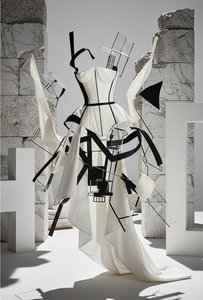
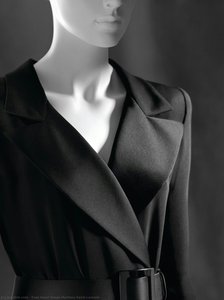
Yves Saint Laurent wasn’t content to simply replicate established trends; he actively *created* them, often by dismantling deeply ingrained societal norms and challenging conventional notions of beauty and style. Perhaps his most enduring and iconic creation, “Le Smoking” (1968), stands as a testament to this revolutionary spirit. This impeccably tailored tuxedo suit, designed specifically for women, was more than just clothing; it was a powerful statement – a declaration of female strength, independence, and a subtle yet defiant rejection of traditional gender roles. The design itself—a sharp, masculine silhouette rendered in luxurious fabrics—was deliberately provocative, signaling a shift in the fashion landscape and inspiring countless imitators. It wasn’t merely about aesthetics; it was about empowering women to embrace their individuality and express themselves through clothing – a concept that resonated deeply with the social currents of the late 1960s and continues to inspire designers today. Beyond “Le Smoking,” Saint Laurent consistently pushed boundaries, introducing groundbreaking designs such as the “Mondrian Dress” (1965), which drew inspiration from the geometric abstractions of Dutch painter Piet Mondrian, demonstrating a remarkable ability to seamlessly integrate art into fashion. He also embraced bold color blocking, utilizing vibrant hues and contrasting patterns to create visually arresting and unforgettable ensembles. Furthermore, Saint Laurent’s exploration of African textiles and motifs—incorporating intricate patterns and rich textures into his collections—reflected a profound cultural awareness and a commitment to celebrating the diversity of global traditions.A Lasting Influence: Redefining Femininity and Beyond
Yves Saint Laurent's legacy extends far beyond specific garments or fleeting trends; it represents a fundamental shift in how women perceived themselves through fashion. He redefined femininity, offering clothing that combined elegance with comfort, strength, and an undeniable sense of self-assurance – a radical departure from the often-restrictive styles prevalent in previous eras. His designs weren’t simply about aesthetics; they were about empowering women to express their individuality, to feel confident and beautiful in their own skin. Saint Laurent successfully blurred the lines between couture and prêt-à-porter (ready-to-wear), making high fashion more accessible without sacrificing its artistic integrity or luxurious quality. This democratization of style had a profound impact on the industry, paving the way for future generations of designers to embrace innovation and inclusivity. His work wasn't merely celebrated within the confines of the fashion world; it permeated popular culture, influencing music, art, and social movements alike. Yves Saint Laurent became a cultural icon—a symbol of creativity, rebellion, and unwavering artistic vision. His designs are now represented in major museums worldwide – the Musée des Beaux-Arts in Algiers, the Museum of the City of New York, among many others – solidifying his place as one of the most important figures in fashion history. He didn't just dress women; he liberated them. His impact continues to be felt today, not only in the designs that echo his aesthetic but also in the spirit of innovation and inclusivity that he championed throughout his remarkable career.Key Works & Artistic Echoes
- Le Smoking (1968): The iconic tuxedo suit for women, a symbol of empowerment and gender fluidity.
- Mondrian Dress (1965): A groundbreaking design inspired by Piet Mondrian’s geometric paintings, showcasing the intersection of art and fashion.
- Rive Gauche Line (1966): The revolutionary ready-to-wear line that democratized high fashion.
- Velvet Collections: Luxurious evening dresses crafted from sumptuous velvet, embodying opulence and glamour.
- African Inspired Designs: Incorporation of African textiles and motifs, reflecting a global perspective and cultural appreciation.
Питання та відповіді
Наскільки популярні роботи Ів Сен-Лоран?
Статистика про роботи Ів Сен-Лоран доступна на сторінці Статистика відвідувань митця.
Які псевдоніми або інші імена має Ів Сен-Лоран?
Ів Сен-Лоран також відомий/відома під іменами Ів Генрі Донат Матью-Сент-Лоран, YSL.
Чи можу я переглянути роботи Ів Сен-Лоран за кольоровим спектром?
Сторінка Колірний спектр дозволяє переглянути роботи Ів Сен-Лоран, відсортовані за кольором.