Меню
БЕЗКОШТОВНА КОНСУЛЬТАЦІЯ З МИСТЕЦТВА

Ніколо да Варало

1425 - 1490

Короткі факти

  • Corpus themes:
    • religious devotion
    • byzantine influence
    • venetian gothic style
  • Copyright status: Public domain
  • Works on APS: 8
  • Nationality: Італія
  • Art period: — Відродження
  • Gift suitability: other-none
  • Museums on APS:
    • Венеранда Фаббрика Дуомо Мілано
    • Венеранда Фаббрика Дуомо Мілано
    • Венеранда Фаббрика Дуомо Мілано
    • Венеранда Фаббрика Дуомо Мілано
    • Венеранда Фаббрика Дуомо Мілано
  • Vibe: спокій та гармонія
  • Born: 1425, Ва́рallo della Ва́л d’Оро, Італія
  • Emotional tone: рефлексивний
  • Більше…
  • Best occasions: маніфест
  • Died: 1490
  • Also known as:
    • Нікколо ді Леонардо да Варало
    • Нікколо да Варало
  • Room fit: вітальня
  • Mediums:
    • акрил на полотні
    • вітражне мистецтво
  • Top-ranked work: Saint John of Damascus receives the prince
  • Lifespan: 65 years
  • Creative periods: late renaissance
  • Topics explored:
    • saint john damascus
    • milan duomo
    • byzantine
    • medieval art
    • stained glass
  • Top 3 works:
    • Saint John of Damascus receives the prince
    • Saint John of Damascus celebrates mass. The Saint
    • Saint John of Damascus celebrates mass. The deacons

Тест зі знань мистецтва

У кожному запитанні лише одна правильна відповідь.

Запитання 1:
Яке місто стало головним місцем діяльності Ніколо да Варало?
Запитання 2:
Яка основна галузь мистецтва, в якій Ніколо да Варало найбільш відомий?
Запитання 3:
Який стиль характеризує вітражі Ніколо да Варало в Міланському соборі?
Запитання 4:
Який з цих замків прикрашений фресками Ніколо да Варало?
Запитання 5:
Який сюжет зображено у фресках Ніколо да Варало в Кастелло Роккабіанца?

Niccolò da Varallo (1425–1490): A Venetian Master of Stained Glass and Frescoes

Niccolò da Varallo, born in Varallo della Val d'Oro, Lombardy around 1425, stands as a pivotal figure in the Venetian Renaissance and Gothic art traditions. His life remains shrouded in relative obscurity compared to contemporaries like Titian or Bellini, yet his contribution to artistic innovation—particularly in stained glass—is undeniable and continues to inspire admiration. Primarily active in Milan from 1445 until his death in 1490, Varallo’s career coincided with a period of intense cultural dynamism, shaping him profoundly by the prevailing aesthetic sensibilities of his time. He was the son of Leonardo da Varallo, himself a skilled glassmaker—a lineage that undoubtedly instilled in him an early appreciation for craftsmanship and visual artistry. While precise details regarding his formal artistic training are elusive, it’s believed he honed his skills under Maestro Giovanni Battista Sant'Anna, a prominent Milanese painter known for his frescoes in churches and palaces. This mentorship would have exposed him to the stylistic conventions of Venetian painting—characterized by luminous color palettes and meticulous detail—which would subsequently permeate Varallo’s own oeuvre.

Early Life and Artistic Influences

Detailed biographical information about Niccolò's formative years is scarce, adding a layer of mystery to his artistic journey. Records indicate he was the son of Leonardo da Varallo, himself a master glassmaker – a lineage that undoubtedly instilled in him an early appreciation for the intricacies of materials and the transformative power of light. This familial connection to the craft provided a foundational understanding of color, texture, and the technical challenges inherent in creating durable and visually stunning works. While precise details regarding his formal artistic training are elusive, it’s widely believed he received instruction from Maestro Giovanni Battista Sant'Anna, a prominent Milanese painter renowned for his frescoes adorning churches and palaces throughout the city. This mentorship would have been crucial in shaping Varallo’s artistic development, exposing him to the stylistic conventions of Venetian painting—characterized by luminous color palettes, masterful perspective, and an emphasis on narrative storytelling. The influence of Venetian masters like Gentile da Fabriano and Andrea Mantegna is evident in Varallo's early works, particularly his meticulous attention to detail and his skillful use of gold leaf.

Milanese Artistic Activity: Stained Glass Innovation at the Duomo

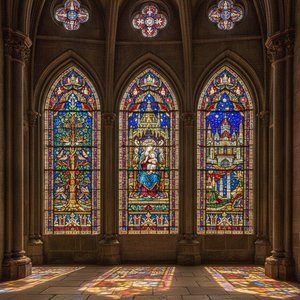
Varallo’s fame rests principally on his groundbreaking stained glass commissions for Milan Cathedral, specifically two monumental panels depicting Saint John the Baptist and Saint Giovanni Battista. These works represent a triumph of Venetian Gothic style—a fusion of geometric precision with expressive ornamentation—marking a decisive departure from earlier ecclesiastical art. Varallo’s masterful manipulation of color and texture achieved an unprecedented level of realism, capturing the drapery folds and facial expressions of his subjects with remarkable accuracy. The panels' intricate designs incorporated symbolic motifs reflecting Christian theology, demonstrating Varallo’s profound understanding of artistic language and its capacity to convey spiritual meaning. His innovative approach to stained glass technique—particularly the use of iridescent pigments that shimmered in the light—established him as a pioneer in the field and cemented Milan Cathedral’s reputation as one of Europe’s most magnificent churches. The sheer scale and complexity of these panels, combined with their exquisite craftsmanship, were truly revolutionary for the time.

Frescoes in Castello Roccabianca: A Narrative Tapestry

Beyond his cathedral commissions, Varallo undertook significant fresco projects at Castello Roccabianca, commissioned by Pier Maria II de' Rossi between 1446 and 1463. These frescoes depict biblical narratives—including the story of Griselda and astrological scenes—executed with meticulous attention to detail and imbued with a palpable sense of drama. Varallo’s frescoes exemplify the Venetian influence on Milanese art, showcasing a stylistic preference for rich color harmonies and expressive brushwork. The Castello Roccabianca cycle stands as testament to Varallo's versatility as an artist and his ability to adapt his style to diverse architectural contexts. The scenes are not merely decorative; they are carefully constructed allegories designed to convey moral lessons and reinforce the values of the ruling elite.

Legacy and Influence

Niccolò da Varallo’s artistic legacy extends far beyond his individual masterpieces. He profoundly impacted the stylistic trajectory of Venetian stained glass art, inspiring subsequent generations of craftsmen to embrace innovation and strive for unparalleled visual splendor. His meticulous technique—characterized by a masterful command of color and texture—became a benchmark against which later artists judged their own accomplishments. Furthermore, Varallo’s frescoes at Castello Roccabianca contributed significantly to the development of Milanese Gothic art, solidifying his place as one of the most influential figures in Northern Renaissance painting. His work continues to be studied and admired today for its beauty, craftsmanship, and enduring symbolic power—a testament to the lasting impact of a Venetian artist who elevated stained glass and fresco artistry to new heights.

Notable Works

* Saint John of Damascus receives the Prince (Milan Cathedral) * The ordination of Saint John of Damascus (Milan Cathedral) * Stories of Saint Eligius (San Leonardo al Lago) * Frescoes in Castello Roccabianca * Saint Niccolo al Carmine (Siena)