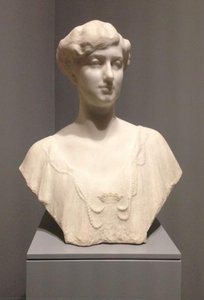
Mariano Benlliure y Gil: A Titan of Spanish Sculpture
Mariano Benlliure y Gil (1862-1947) stands as one of the most revered figures in 20th-century Spanish art, a sculptor whose monumental works and meticulous portraits continue to inspire awe and admiration. Born in Valencia, Spain, his artistic journey began with an innate fascination for capturing the essence of human form and emotion—a passion nurtured by familial tradition and solidified by encounters with masters like Francisco Domingo Marqués. From humble beginnings, Benlliure ascended to international acclaim, leaving behind a legacy that transcends mere craftsmanship; it embodies the spirit of heroic realism and reflects the profound cultural currents shaping Spain’s identity during its tumultuous era.
### Early Influences and Artistic Formation
The formative years of Mariano Benlliure’s artistic life were marked by an early exposure to sculpture—a discipline instilled in him by his brother, José Benlliure y Gil, a fellow artist who fostered a creative environment brimming with intellectual curiosity. However, it was the profound impact of Michelangelo’s sculptures in Rome that irrevocably altered Benlliure's trajectory. Witnessing firsthand the grandeur and expressive power of these masterpieces ignited within him an unwavering devotion to monumental sculpture, shaping his artistic vision for decades to come. This pilgrimage to antiquity served as a catalyst for stylistic innovation, propelling him toward a distinctive approach characterized by meticulous detail and palpable dynamism.
### The Heroic Realist Style: Capturing Emotion Through Form
Benlliure’s artistic style is undeniably rooted in heroic realism—a movement that sought to portray human subjects with unflinching honesty and psychological depth. Rejecting idealized representations of beauty, he embraced a technique that prioritized anatomical accuracy alongside emotive intensity. This commitment to capturing the complexities of human experience is evident throughout his oeuvre, from colossal sculptures commemorating historical figures to exquisitely rendered portrait busts revealing subtle nuances of character. His masterful manipulation of bronze—a medium he championed with unwavering conviction—allowed him to imbue his creations with an unparalleled sense of physicality and presence.
### Major Monuments and Artistic Achievements
Mariano Benlliure’s contribution to the public art landscape of Spain is immense, encompassing a staggering array of monumental sculptures that serve as enduring symbols of national pride and cultural heritage. Among his most celebrated achievements are:
- The Tomb of Práxedes Mateo Sagasta: Located in Madrid's Pantheon of Illustrious Men, this imposing monument commemorates the life and legacy of Spain’s revered statesman.
- Monument to José de San Martín: Standing proudly in Lima, Peru, it honors the Argentine military leader who spearheaded independence movements across Latin America.
- Monument to Álvaro de Bazán: Situated in Plaza de la Villa, Madrid, this monumental sculpture celebrates the naval prowess of Admiral Álvaro de Bazán, a pivotal figure in Spanish maritime history.
- Monument to Isabella the Catholic: Located in Granada, Spain, it pays tribute to Queen Isabella I—the monarch who initiated the Reconquista and ushered in an era of cultural flourishing.
- The Equestrian Statue of Alfonso XII: Dominating El Retiro Park in Madrid, this magnificent bronze sculpture captures the majesty and dynamism of King Alfonso XII—a symbol of Spanish monarchy during a period of significant political upheaval.
### Legacy and Influence
Mariano Benlliure’s artistic legacy extends far beyond his tangible creations; it resides in his profound influence on subsequent generations of sculptors who embraced heroic realism as their stylistic credo. His unwavering dedication to anatomical precision, coupled with an astute understanding of expressive psychology—qualities he skillfully translated into the medium of bronze—established him as a benchmark for excellence and inspired countless artists to strive for similar levels of artistic achievement. Today, Benlliure’s sculptures continue to captivate audiences worldwide, serving as enduring reminders of Spain's artistic heritage and embodying the spirit of heroic realism—a style that remains remarkably relevant in contemporary art discourse.