Флорентійська рука в Римі: Життя та мистецтво Козімо Росселлі
Козімо Росселлі, народився приблизно в 1439 році у жвавому серці Флоренції, походив із родини заможних купців — це походження забезпечило йому стабільне виховання та доступ до бурного культурного життя Ренесансу. На відміну від багатьох митців, які починали навчання ще в юності, творчий шлях Росселлі розпочався відносно пізно, близько двадцяти років. Він приєднався до майстерні Доменіко Гірландайо, провідної постаті флорентійського живопису, відомої своїми майстерними фресками та вишуканими вівтарними образами. Це середовище було не просто учнівством; це було занурення у гамірний центр творчості, де численні помічники працювали над безперервним потоком замовлень. Саме тут Росселлі засвоїв основи малювання, композиції та прискіпливі техніки, що згодом визначали його ранній стиль. Вплив Гірландайо був глибоким, прищепивши йому лінійну точність, яскраву палітру та наративну чіткість, які стали характерними для багатьох його робіт. Проте навіть у цей період становлення Росселлі почав демонструвати індивідуальну чутливість, тонко вбираючи елементи попередніх майстрів, таких як Мазаччо та Фра Анджеліко — художників, які вже здійснили революцію у зображенні простору, світла та емоцій у живописі.Сикстинська капела та момент папської прихильності
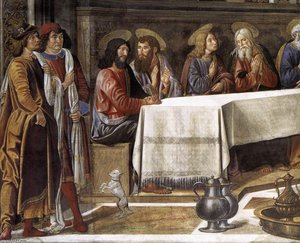
Доленосний момент настав у 1481 році, коли Росселлі отримав запрошення взяти участь у монументальному циклі фресок, що прикрашали стіни Сикстинської капели в Римі. Це замовлення, поруч із такими світилами, як П'єтро Перуджино та Сандро Боттічеллі, стало поворотним пунктом у його кар'єрі, вивівши його на міжнародну арену. Основною темою цих фресок був ретельно побудований паралелізм між історіями Мойсея та Христа — свідоме намагання легітимізувати папську владу та підкреслити спадкоємність божественного закону. Роботи Росселлі зосереджувалися на сценах із життя Ісуса, демонструючи його здатність перетворювати складні наративи на візуально переконливі композиції. Хоча пізніші описи, зокрема написані Джорджо Вазарі, змальовували його як одного з менш обдарованих художників проєкту — навіть піддаючи насмішкам з боку колег — зафіксовано, що його сміливе використання кольору та щедре нанесення сусального золота особливо сподобалося самому Папі Сіксту IV. Така папська прихильність свідчить про глибоке розуміння декоративного ефекту та вміння догодити смакам свого покровителя — якості, необхідні для успіху в конкурентному світі мистецтва Відродження. Його «Таємна вечеря» в капелі залишається свідченням цього періоду, демонструючи динамічну композицію та увагу до деталей, що розкривають його зростале майстерство.Флорентійські замовлення та розвиток стилю
Повернувшись до Флоренції з Риму, Росселлі продовжував отримувати сталий потік замовлень на вівтарні картини, фрески та панельну живопис. Його зрілий стиль розквітнув саме в цей період, характеризуючись витонченими композиціями, елегантними постатями та дедалі деталізованими пейзажами. Він зберіг лінійну точність і яскраві кольори, засвоєні у Гірландайо, але почав впроваджувати елементи більш граційної та гармонійної естетики Перуджино. Визначними роботами того часу є фрески для церкви Сантіссіма Аннунціата — значне замовлення, яке дозволило йому продемонструювати свій еволюційний стиль у великому масштабі, а також численні вівтарні образи, що прикрашають капели по всій Флоренції. Росселлі розробив самобутній підхід до зображення релігійних сцен, наголошуючи на людських емоціях та взаємодіях, зберігаючи при цьому атмосферу благоговіння та побожності. Він володів талантом передавати психологічний стан своїх героїв, наповнюючи їх відчуттям внутрішнього життя, що знаходило відгук у сучасників. Включення портретів сучасників у біблійні сюжети також додавало рівень реалізму та залученості, пов'язуючи священні історії з повсякденним життям тих, хто на них споглядав.Спадщина та історичне значення
Козімо Росселлі продовжував наполегливо працювати протягом початку XVI століття, отримуючи замовлення від видатних флорентійських родин та релігійних установ. Однак, коли постали нові мистецькі зірки — насамперед Рафаель та Мікеланджело — його значущість поступово зменшилася. Він помер у Флоренції близько 1520 року, залишивши по собі спадок, що відображає його майстерність художника та відданість зображенню релігійних тем із чіткістю та елегантністю. Сьогодні Росселлі пам'ятають як талановитого флорентійського митця, який відіграв важливу роль у розвитку мистецтва Ренесансу. Його участь у фресках Сикстинської капели допомогла зміцнити позиції Флоренції як провідного центру художніх інновацій, а його власні роботи демонструють здатність синтезувати різноманітні впливи в самобутний та витончений стиль. Хоча він, можливо, і не досяг такого рівня слави, як деякі його сучасники, внесок Козімо Росселлі залишається вагомим — свідченням його таланту, відданості та невмирущої спадщини в багатому полотні мистецтва Відродження.Впливи та художній розвиток
- Ранні основи: Майстерня Доменіко Гірландайо забезпечила Росселлі вирішальний фундамент у техніках живопису та принципах композиції, сформувавши його ранні естетичні почуття.
- Римський досвід: Робота пліч-о-пліч з іншими провідними художниками Ренесансу в Сикстинській капелі відкрила йому нові стилі та підходи, розширивши його мистецькі горизонти та вплинувши на подальші роботи. Колективне середовище сприяло обміну ідеями та підвищенню обізнаності про сучасні тенденції.
- Грація Перуджино: Граціозний стиль П'єтро Перуджино та його гармонійні композиції справили помітний вплив на художній розвиток Росселлі, спонукаючи його до вдосконалення постатей та створення більш збалансованих арранжувань.
- Відлуння минулого: Він вбирав елементи попередніх майстрів, таких як Мазаччо та Фра Анджеліко, інтегруючи їхні інновації — такі як реалістичне зображення простору та емоційна експресія — у свій власний самобутній стиль. Це демонструє глибоке розуміння історії мистецтва та готовність вчитися у тих, хто прийшов до нього перед ним.
Питання та відповіді
Чи можу я дослідити використання кольору в усіх роботах Козимо Росселлі?
Геном палітри Козимо Росселлі — це сторінка, що представляє колірний профіль усього творчого дорослого цього митця.
Скільки творів Козимо Росселлі представлено в каталозі?
Ви можете переглянути 23 творів мистецтва творів Козимо Росселлі на сторінці Усі роботи митця.
Де я можу переглянути роботи Козимо Росселлі, відсортовані за атмосферою?
Роботи Козимо Росселлі можна переглядати за настроєм на сторінці художника Простір настрою, де витвори мистецтва впорядковані відповідно до їхнього емоційного забарвлення.