


1

Оновлено Жовтень 2026 · за рейтингом нашої популярності (кількість пошукових запитів, переглядів та замовлень для кожної роботи) · 27 робіт Norman Bluhm у нашому каталозі
Коротко кажучи
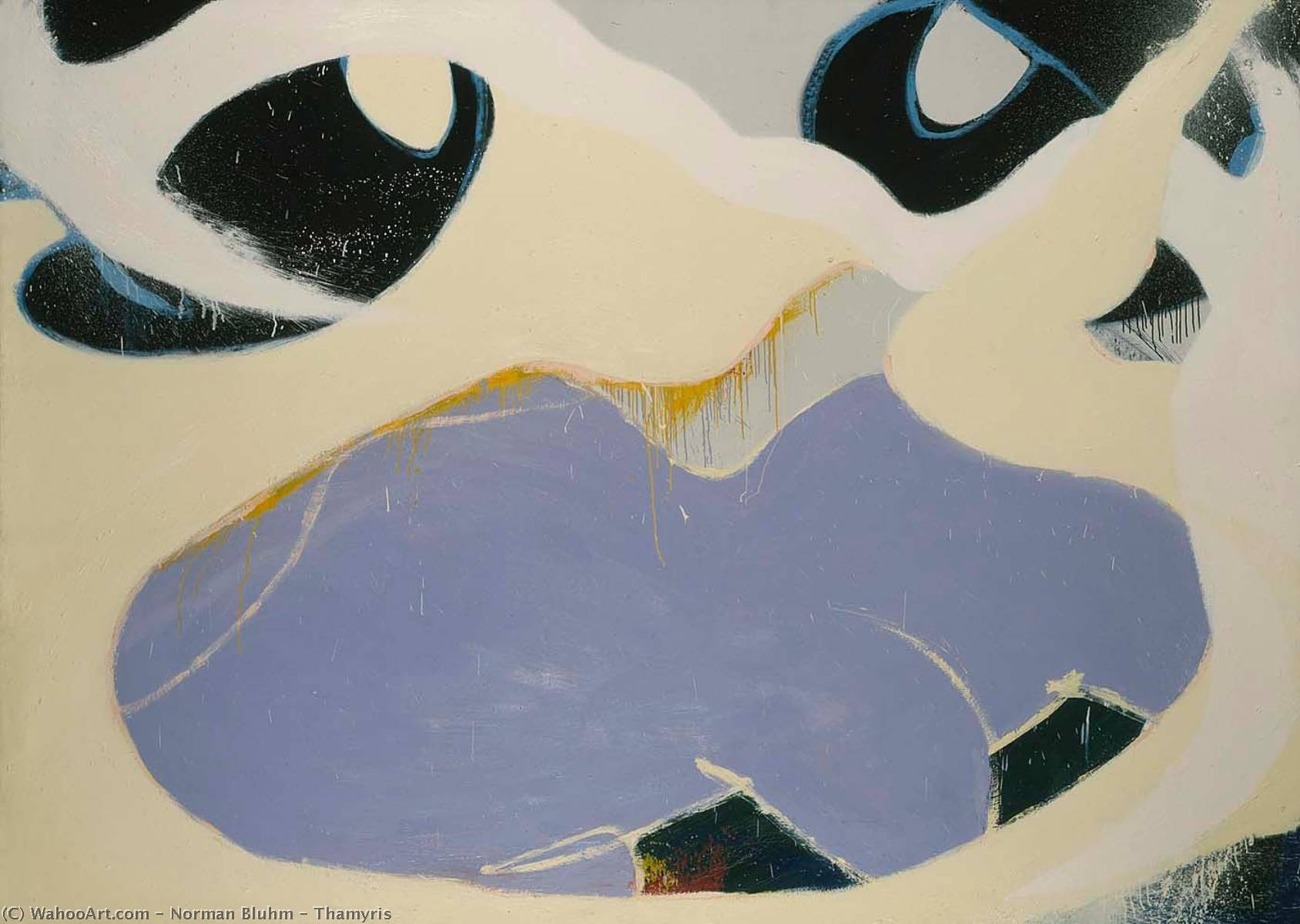
На думку експертів галереї, найвідоміший витвір Norman Bluhm — це Thamyris (1972). Untitled (1959) та Study I, Yellow and Black (1960) доповнюють тріо, яке впізнає кожне око. З 27 робіт Norman Bluhm у нашому каталозі галерея представляє 27 найвідоміших нижче — кожна з них є оригіналом із зазначенням року створення, музею та унікальних особливостей.




 Aritic1959
12
 Untitled1960
13
 It's Raining1960
14
 Excalibur1960
15
 Mojabe1966
16
 Mathematics1962
17
 Eudocia1967 · Смитсонівський музей американського мистецтва
18
 Unused preparatory drawing from In Memory of My Feelings1967
19
 Preparatory drawing from In Memory of My Feelings1967
20
 Thetis1968
21
 Issac Comnenus1967
22
 Eudocia1967
23
 Erythea1971 · Смитсонівський музей американського мистецтва
24
 Dido1973 · Смитсонівський музей американського мистецтва
25
 Study 31973
26
 Erythea1971
27
 Dido1973
2 музеїв, у яких зберігається більшість картин із цього списку.
| Музеї | Місто | Твори Norman Bluhm | Картини з цього списку |
|---|---|---|---|
 Смитсонівський музей американського мистецтва |
Вашингтон, округ Колумбія | 4 | Untitled, Eudocia, Erythea |
 Метрополітен-музей |
Нью-Йорк | 1 | It's Raining |
Оберіть десятиліття, щоб побачити оригінальний твір, який його визначає.
Thamyris (1972). Далі йдуть Untitled (1959) та Study I, Yellow and Black (1960).
51 років: Thamyris датована 1972 роком, а Norman Bluhm народився(-лася) у 1921.
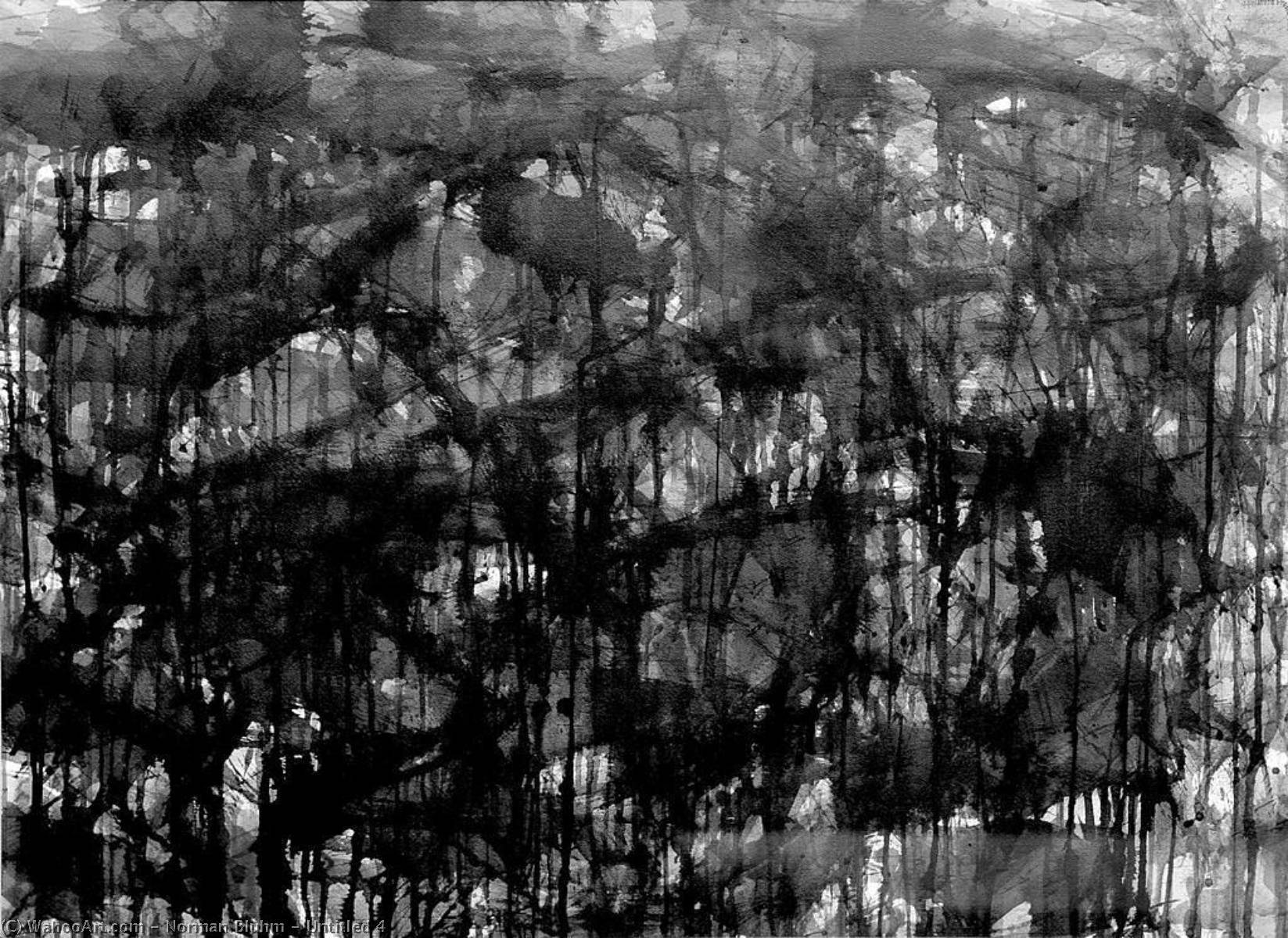
Thamyris, Untitled, Study I, Yellow and Black, Mathematics, Acheron, Untitled 4, Untitled, It's Raining, Study for Oz та Ariel. У рейтингу вище вказано рік створення та музей для кожної картини.
Наш каталог містить 27 робіт Norman Bluhm, датованих періодом з 1957 по 1973.
Переважно в Смитсонівський музей американського мистецтва (Вашингтон, округ Колумбія) та Метрополітен-музей (Нью-Йорк). У таблиці музеїв вище наведено їхній повний перелік.
У 1960s: 16 із 27 робіт на цій сторінці були створені тоді, серед них Study I, Yellow and Black.
На цій сторінці найдавніша робота датована Untitled 4 (1957), а найновіша — Dido (1973).
Abstract expressionism, судячи з оригіналів на цій сторінці.
Untitled, Eudocia та Erythea: Смитсонівський музей американського мистецтва, Вашингтон, округ Колумбія зберігає 4 робіт із цієї сторінки.
To look at the work of Norman Bluhm is to witness the residue of a life shaped by profound disruption. He was an abstract expressionist painter who did not merely paint; he processed the wreckage of the mid-twentieth century through heavy, gestural application. His presence in the canon is cemented by his inclusion in the permanent collections of the Museum of Modern Art and the Metropolitan Museum of Art. These are not mere accolades; they are evidence of a technical command that forced the art world to pay attention.
Bluhm’s trajectory was never linear. He began with the rigid, structural logic of architecture, attending the Illinois Institute of Technology at sixteen. There, he operated in the shadow of giants like Mies van de Rohe and Frank Lloyd Wright. This early exposure to architectural precision provided a skeletal framework that his later, more chaotic abstraction would eventually dismantle.
The trajectory of his life shifted violently during World War II. Drafted into the U.S. Air Force, Bluhm returned from service physically injured and emotionally scarred by the loss of his brother. This period of trauma effectively killed the architect and birthed the painter. He sought a life that was entirely his own, trading blueprints for brushes. This pursuit led him to the heart of European tradition.
His training was rigorous and geographically diverse:
Bluhm’s significance lies in his ability to bridge the gap between formal training and raw, expressive energy. His works, such as "Chandelle" (1966) and "Oz", demonstrate a refusal to settle for easy aesthetics. The Smithsonian American Art Museum holds pieces that reflect this uncompromising stance. He did not rely on decorative flourishes; he relied on the physical reality of paint. His career remains a study in how personal devastation can be converted into a disciplined, visual language.