Портрет Макс Вебер

Картини Макс Вебер: 75 найвідоміших у погляді галереї

Оновлено Жовтень 2026 · за рейтингом нашої популярності (кількість пошукових запитів, переглядів та замовлень для кожної роботи) · 76 робіт Макс Вебер у нашому каталозі

Коротко кажучи

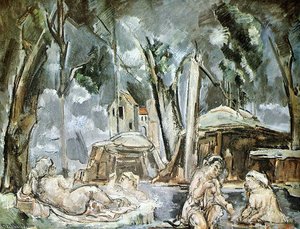
На думку експертів галереї, найвідоміший витвір Макс Вебер — це Gauguin Girl (1907). Figures in a Landscape (1911) та Woman Reading (1916) доповнюють тріо, яке впізнає кожне око. З 76 робіт Макс Вебер у нашому каталозі галерея представляє 75 найвідоміших нижче — кожна з них є оригіналом із зазначенням року створення, музею та унікальних особливостей.

1881 – 1961, Білосток Cubism Найбільше робіт: The Phillips Collection

Топ 10 картин художника Макс Вебер у галереї

Картини художника Макс Вебер, від 11 до 75 місця в рейтингу

11untitled (833) роботи Макс Веберuntitled (833) 12The Visit роботи Макс ВеберThe VisitБруклінський музей 13untitled (8826) роботи Макс Веберuntitled (8826) 14untitled (9740) роботи Макс Веберuntitled (9740) 15untitled (7723) роботи Макс Веберuntitled (7723) 16untitled (1521) роботи Макс Веберuntitled (1521) 17The Cellist роботи Макс ВеберThe CellistБруклінський музей 18High Noon (1925) роботи Макс ВеберHigh Noon1925 · The Phillips Collection 19Colonial Bowl (1938) роботи Макс ВеберColonial Bowl1938 · The Phillips Collection 20Rabbi (1940) роботи Макс ВеберRabbi1940 · The Phillips Collection 21The Pearl Necklace (1940) роботи Макс ВеберThe Pearl Necklace1940 22Adoration of the Moon (1944) роботи Макс ВеберAdoration of the Moon1944 · Музей американського мистецтва Уітні 23Still Life (1944) роботи Макс ВеберStill Life1944 · Art Institute of Chicago 24Pacific Coast (1952) роботи Макс ВеберPacific Coast1952 · Метрополітен-музей 25Last Snow роботи Макс ВеберLast SnowThe Phillips Collection 26Draped Head роботи Макс ВеберDraped HeadThe Phillips Collection 27untitled (5079) роботи Макс Веберuntitled (5079) 28untitled (3187) роботи Макс Веберuntitled (3187) 29untitled (2993) роботи Макс Веберuntitled (2993) 30untitled (7940) роботи Макс Веберuntitled (7940) 31untitled (8731) роботи Макс Веберuntitled (8731) 32untitled (3049) роботи Макс Веберuntitled (3049) 33Hair Dressing роботи Макс ВеберHair Dressing 34untitled (3799) роботи Макс Веберuntitled (3799) 35Bathers роботи Макс ВеберBathers 36untitled (2499) роботи Макс Веберuntitled (2499) 37untitled (283) роботи Макс Веберuntitled (283) 38untitled (3830) роботи Макс Веберuntitled (3830) 39untitled (7071) роботи Макс Веберuntitled (7071) 40Summer роботи Макс ВеберSummerСмитсонівський музей американського мистецтва 41Family Reunion роботи Макс ВеберFamily Reunion 42untitled (8842) роботи Макс Веберuntitled (8842) 43untitled (8566) роботи Макс Веберuntitled (8566) 44untitled (5960) роботи Макс Веберuntitled (5960) 45untitled (5086) роботи Макс Веберuntitled (5086) 46untitled (2675) роботи Макс Веберuntitled (2675) 47The Jewish Museum, New York роботи Макс ВеберThe Jewish Museum, New York 48Jewish Museum Sabbath роботи Макс ВеберJewish Museum Sabbath 49untitled (3350) роботи Макс Веберuntitled (3350) 50untitled (4114) роботи Макс Веберuntitled (4114) 51Study For Russian Ballet роботи Макс ВеберStudy For Russian Ballet 52untitled (376) роботи Макс Веберuntitled (376) 53untitled (612) роботи Макс Веберuntitled (612) 54untitled (348) роботи Макс Веберuntitled (348) 55Russian Ballet роботи Макс ВеберRussian Ballet 56untitled (8120) роботи Макс Веберuntitled (8120) 57untitled (5552) роботи Макс Веберuntitled (5552) 58untitled (7412) роботи Макс Веберuntitled (7412) 59untitled (1253) роботи Макс Веберuntitled (1253) 60untitled (5066) роботи Макс Веберuntitled (5066) 61untitled (2282) роботи Макс Веберuntitled (2282) 62untitled (2592) роботи Макс Веберuntitled (2592) 63untitled (7578) роботи Макс Веберuntitled (7578) 64untitled (5875) роботи Макс Веберuntitled (5875) 65untitled (4311) роботи Макс Веберuntitled (4311) 66untitled (3637) роботи Макс Веберuntitled (3637) 67untitled (608) роботи Макс Веберuntitled (608) 68untitled (6242) роботи Макс Веберuntitled (6242) 69Portrait Of Abraham Walkowitz роботи Макс ВеберPortrait Of Abraham Walkowitz 70untitled (5637) роботи Макс Веберuntitled (5637) 71Abbey Mill In Shrewsbury роботи Макс ВеберAbbey Mill In Shrewsbury 72An Oblique роботи Макс ВеберAn Oblique 73untitled (635) роботи Макс Веберuntitled (635) 74untitled (9780) роботи Макс Веберuntitled (9780) 75untitled роботи Макс Веберuntitled

Знамениті картини Макс Вебер за періодами творчості

Early Modern

3 робіт у цьому списку

Теми, що привертали увагу Макс Вебер

Чотири сюжети, які найчастіше зустрічаються в цих оригіналах, кожен із найкращим прикладом.

Музеї, у яких зберігаються оригінали Макс Вебер

8 музеїв, у яких зберігається найбільша кількість картин із цього списку.

Музеї Місто Твори Макс Вебер Картини з цього списку
The Phillips Collection, Вашингтон, округ КолумбіяThe Phillips Collection Вашингтон, округ Колумбія 5 High Noon, Colonial Bowl, Rabbi
Бруклінський музей, БруклінБруклінський музей Бруклін 2 The Visit, The Cellist
Музей мистецтва Джона та Мебл Рінґлінґів, СарасотаМузей мистецтва Джона та Мебл Рінґлінґів Сарасота 1 Untitled (Still Life)
Музей образотв мистецтв, БостонМузей образотв мистецтв Бостон 1 Path in the Woods
Музей американського мистецтва Уітні, Нью-ЙоркМузей американського мистецтва Уітні Нью-Йорк 1 Adoration of the Moon
Art Institute of Chicago, ЧикагоArt Institute of Chicago Чикаго 1 Still Life
Метрополітен-музей, Нью-ЙоркМетрополітен-музей Нью-Йорк 1 Pacific Coast
Смитсонівський музей американського мистецтва, Вашингтон, округ КолумбіяСмитсонівський музей американського мистецтва Вашингтон, округ Колумбія 1 Summer

Макс Вебер, одна фірмова картина за десятиліття

Роботи за десятиліття

Оберіть десятиліття, щоб побачити оригінальний твір, який його визначає.

Картини Макс Вебер: відповіді галереї

Яка картина Макс Вебер є найвідомішою серед усіх?Дізнатися відповідь

Gauguin Girl (1907). Далі йдуть Figures in a Landscape (1911) та Woman Reading (1916).

Скільки років було Макс Вебер, коли він/вона завершив/завершила Gauguin Girl?Дізнатися відповідь

26 років: Gauguin Girl датована 1907 роком, а Макс Вебер народився(-лася) у 1881.

Які 10 найкращих картин Макс Вебер?Дізнатися відповідь

Gauguin Girl, Figures in a Landscape, Woman Reading, Untitled (Still Life), Path in the Woods, untitled (1109), untitled (2416), untitled (5652), untitled (8675) та untitled (7238). У рейтингу вище вказано рік створення та музей для кожної картини.

Скільки творів створив Макс Вебер?Дізнатися відповідь

Наш каталог містить 76 робіт Макс Вебер, датованих періодом з 1907 по 1952.

Де висять найвідоміші оригінали робіт Макс Вебер?Дізнатися відповідь

Переважно в The Phillips Collection (Вашингтон, округ Колумбія), Бруклінський музей (Бруклін) та Музей мистецтва Джона та Мебл Рінґлінґів (Сарасота). У таблиці музеїв вище наведено їхній повний перелік.

Коли Макс Вебер створив свої найвідоміші картини?Дізнатися відповідь

У 1940s: 5 із 75 робіт на цій сторінці були створені тоді, серед них Untitled (Still Life).

Які найранніші та найпізніші відомі роботи Макс Вебер?Дізнатися відповідь

На цій сторінці найдавніша робота датована Gauguin Girl (1907), а найновіша — Pacific Coast (1952).

До яких сюжетів Макс Вебер звертався найчастіше?Дізнатися відповідь

Nude figures (3), Melancholy mood (2) та American art (2), у 75 роботах на цій сторінці.

З яким напрямом пов'язаний Макс Вебер?Дізнатися відповідь

Cubism, судячи з оригіналів на цій сторінці.

Які оригінальні роботи Макс Вебер зберігаються в The Phillips Collection?Дізнатися відповідь

High Noon, Colonial Bowl та Rabbi: The Phillips Collection, Вашингтон, округ Колумбія зберігає 5 робіт із цієї сторінки.

Макс Вебер: художник

Early Life and the Seeds of Modernism

Max Weber, born in Białystok, Poland in 1881, embarked on a journey that would indelibly mark the landscape of American art. His early life was steeped in the traditions of Orthodox Judaism, a heritage that would later profoundly influence his artistic expression. The family’s emigration to Brooklyn, New York, when Weber was just ten years old, proved pivotal. This relocation thrust him into a vibrant, rapidly changing society—a crucible where Old World roots and New World aspirations collided. It was at the Pratt Institute in Brooklyn that Weber first formally engaged with art, studying under the influential Arthur Wesley Dow. Dow’s emphasis on innovative approaches to artistic creation, coupled with his exposure to Japanese aesthetics and connections to Paul Gauguin, ignited within Weber a nascent modernist sensibility. He absorbed the lessons of Impressionism and Postimpressionism, recognizing their power to convey emotion and atmosphere—a crucial step toward embracing the radical ideas circulating in Europe at the time.

The Parisian Awakening and Introduction of Cubism

In 1905, Weber ventured to Europe, specifically Paris, the epicenter of avant-garde thought. His time at the Académie Julian was merely a starting point; it was his immersion in the city’s artistic milieu that truly transformed him. He forged friendships with Henri Rousseau, whose naive yet profound style captivated him, and found himself drawn into the orbits of luminaries like Henri Matisse and Pablo Picasso—artists who were dismantling traditional notions of representation. Weber frequented Gertrude Stein's salon, a legendary gathering place for artists, writers, and intellectuals, and became acquainted with Guillaume Apollinaire, absorbing the latest currents in poetry and art theory. This exposure to the School of Paris fundamentally altered his artistic trajectory. He witnessed firsthand the revolutionary experimentation unfolding in Cubism—the fragmentation of form, the simultaneous depiction of multiple viewpoints—and recognized its potential to capture the complexities of modern experience. Picasso’s influence was particularly significant; Weber internalized Picasso's groundbreaking approach to perspective and spatial illusion.

Early Works and Critical Reception

Weber’s early paintings reflect this formative period. Notable among them is Chinese Restaurant (1915), a bold exploration of geometric abstraction that foreshadowed the stylistic developments he would pursue later in his career. However, this pioneering spirit was met not with acclaim but with fierce resistance. The 1911 exhibition at the 291 Gallery, organized by Alfred Stieglitz, proved to be a watershed moment—and a deeply bruising one for Weber. His work was subjected to what many consider “one of the most merciless critical whippings” ever endured by an American artist. Critics dismissed his paintings as “brutal,” “vulgar,” and utterly devoid of artistic merit. The public struggled to comprehend the radical departure from representational norms, and Weber found himself ostracized by much of the art establishment. This initial rejection fueled a period of introspection and experimentation—a determination to persevere despite prevailing opinion.

A Return to Figuration and Jewish Heritage

Around 1920, Weber began to move away from the strictures of Cubism, turning instead toward more figurative themes. This shift was not a rejection of modernism but rather an exploration of new avenues for expression. He sought inspiration in the traditions of his Jewish heritage—the solemn beauty of Orthodox ritual, the intimacy of family life, and the richness of cultural memory. His later paintings are imbued with a profound sense of nostalgia and a renewed connection to his roots. Weber’s artistic vision remained steadfast throughout his life—a commitment to conveying emotion and exploring complex ideas through carefully crafted imagery.

Legacy and Recognition

Weber's contribution to American art history is undeniable. He stands as one of the first American Cubist painters, paving the way for subsequent generations of artists to embrace experimental forms and challenge conventional aesthetic standards. By the 1940s and 50s, his expressionist figurative paintings were attracting considerable attention. A major retrospective at the Jewish Museum in 1982 cemented his place in art history, solidifying his reputation as a pivotal figure in the development of American modernism. He was honored for his courage in confronting criticism and maintaining artistic integrity—a testament to the enduring power of vision and perseverance.

Усі 76 робіт Макс Вебер →
