Портрет Gislebertus

11 найвідоміших картин Gislebertus, кожна з яких є унікальною

Оновлено Жовтень 2026 · за рейтингом нашої популярності (кількість пошукових запитів, переглядів та замовлень для кожної роботи) · 11 робіт Gislebertus у нашому каталозі

Коротко кажучи

Tympanum of the main portal (detail) (1130) — це картина Gislebertus, яка привертає найбільше уваги; оригінал зберігається в Кафедральний собор Святого Лазаря в Отюні, Отюн. Після цього погляд переходить на Pilgrims (1120) та Last Judgment (detail) (1130). Серед 11 робіт Gislebertus у нашому каталозі ці 11 є найвідомішими: кожна з них — унікальний оригінал із зазначенням року створення, музею та причини її безсмертя.

1120 – 1135 Romanesque Найбільше робіт: Кафедральний собор Святого Лазаря в Отюні

Топ-10 картин Gislebertus крізь призму галереї

1
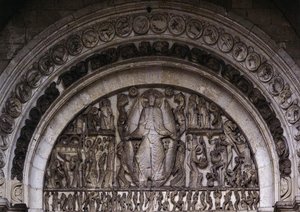
Tympanum of the main portal (detail) (1130) роботи Gislebertus

Tympanum of the main portal (detail)

The Tympanum of the main portal (detail) by Gislebertus emerges from the stone of the Saint-Lazare Cathedral in Autun, France. Created about 1130, this relief captures a profound moment of divine reckoning. It presents a scene from the Last Judgment, where the boundaries between the earthly and the eternal seem to dissolve. The figures move with a frantic, stylized energy that defines the Romanesque style. Every carved line speaks to…

2
Pilgrims (1120) роботи Gislebertus

Pilgrims

In the stone of Saint Lazare Cathedral in Autun, France, the relief titled Pilgrims captures a moment of quiet devotion. Created by the French Romanesque sculptor Gislebertus about 1120, the work depicts figures caught in a singular act of prayer. These travelers move through the heavy, carved medium to find a stillness in the midst of their movement. The stone holds the weight of their supplication.

3
Last Judgment (detail) (1130) роботи Gislebertus

Last Judgment (detail)

The work before us is the Last Judgment (detail) by Gislebertus. This relief carving, created about 1130, offers a focused view of the profound theological drama unfolding within the Saint-Lazare Cathedral in Autun, France. It is situated within the Кафедральний собор Святого Лазаря в Отюні, Autun, where it remains a central element of the cathedral's architectural and spiritual program.

10
Самогубство Юдеса (1120) роботи Gislebertus

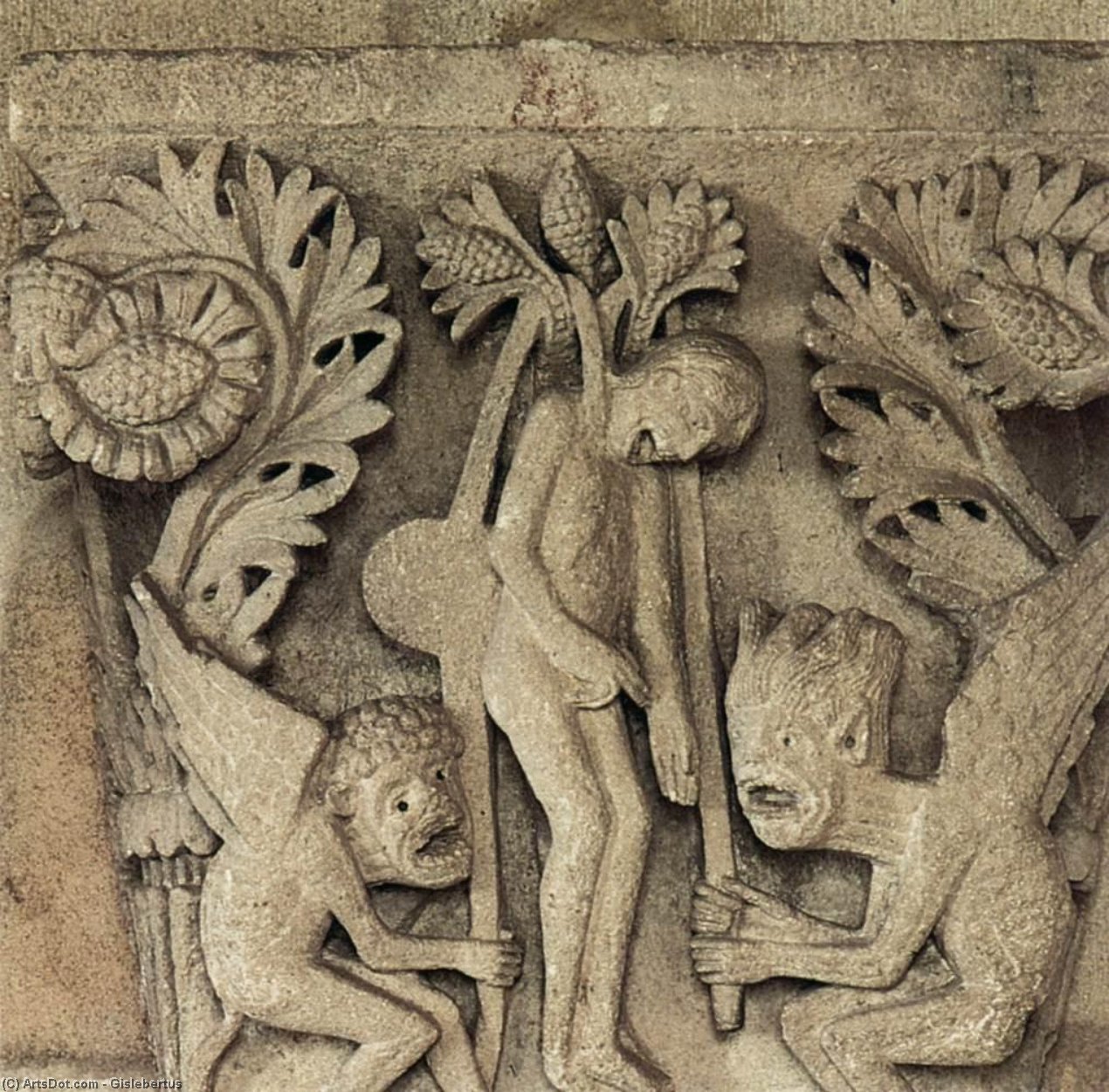
Самогубство Юдеса

1120 · Акрил на полотні · Кафедральний собор Святого Лазаря в Отюні, Отюн

Гіслебертус, ім’я вигравено в камені й шепочеться століттями, є одним із найвидатніших скульпторів романського стилю – особливо славиться своєю роботою над порталом головного храму Святого Лазара в Автоуні, Франція. Народжений близько 1120 року, Гіслебертус виник з плодової художньої ландшафту Бургондії під час епохи глибокої релігійної парії та прагнення до архітектурної амбіції. Хоча біографічні дані залишаються міфічними, дослідники вважають, що він був навчений у Клюзькому аббатстві – безсумнівній оселі європейського монастирського…

Знамениті картини Gislebertus, з 11 по 11

Теми, що привертали увагу Gislebertus

Чотири сюжети, які найчастіше зустрічаються в цих оригіналах, кожен із найкращим прикладом.

Музеї, у яких зберігаються оригінали Gislebertus

2 музеїв, у яких зберігається більшість картин із цього списку.

Музеї Місто Твори Gislebertus Картини з цього списку
Кафедральний собор Святого Лазаря в Отюні, ОтюнКафедральний собор Святого Лазаря в Отюні Отюн 9 Tympanum of the main portal (detail), Pilgrims, Last Judgment (detail)
Musée Rolin, AutunMusée Rolin Autun 1 Eve

Gislebertus крізь роки: унікальні оригінали кожного твору

Усі представлені тут оригінальні роботи Gislebertus, датовані 1130, належать до одного року: вони розміщені у порядку популярності.

Роботи за роками

Оберіть рік, щоб переглянути оригінали.

Картини Gislebertus: запитання до галереї

Яка найвідоміша робота Gislebertus?Дізнатися відповідь

Tympanum of the main portal (detail) (1130), Кафедральний собор Святого Лазаря в Отюні, Отюн. Далі йдуть Pilgrims (1120) та Last Judgment (detail) (1130).

У якому віці Gislebertus створив(ла) Tympanum of the main portal (detail)?Дізнатися відповідь

10 років: Tympanum of the main portal (detail) датована 1130 роком, а Gislebertus народився(-лася) у 1120.

Які десять найвідоміших картин Gislebertus?Дізнатися відповідь

Tympanum of the main portal (detail), Pilgrims, Last Judgment (detail), Dream of the Magi, Tympanum of the main portal, Eve, Last Judgment, Main portal, Last Judgment (detail) та Самогубство Юдеса. У рейтингу вище вказано рік створення та музей для кожної картини.

Скільки відомих робіт належить Gislebertus?Дізнатися відповідь

Наш каталог містить 11 робіт художника Gislebertus.

Де можна побачити найвідоміші оригінали Gislebertus?Дізнатися відповідь

Переважно в Кафедральний собор Святого Лазаря в Отюні (Отюн) та Musée Rolin (Autun). У таблиці музеїв вище наведено їхній повний перелік.

У який період Gislebertus створив свої найвідоміші картини?Дізнатися відповідь

У 1130: 7 із 11 робіт на цій сторінці були створені тоді, серед них Tympanum of the main portal (detail).

Яким сюжетам віддавав перевагу Gislebertus?Дізнатися відповідь

Medieval art (3), Autun cathedral (3) та People (2), у 11 роботах на цій сторінці.

Якими матеріалами найчастіше користувався Gislebertus?Дізнатися відповідь

Stone, для 3 із 11 робіт на цій сторінці.

До якого напряму належить творчість Gislebertus?Дізнатися відповідь

Romanesque, судячи з оригіналів на цій сторінці.

Які оригінальні роботи Gislebertus можна побачити в Кафедральний собор Святого Лазаря в Отюні?Дізнатися відповідь

Tympanum of the main portal (detail), Pilgrims та Last Judgment (detail): Кафедральний собор Святого Лазаря в Отюні, Отюн зберігає 9 робіт із цієї сторінки.

Де я можу замовити репродукцію Gislebertus, написану вручну?Дізнатися відповідь

Так, як репродукція: оригінал залишається в музеї, але будь-яку картину з цієї сторінки можна написати вручну спеціально для вас — індивідуальне замовлення можна оформити на сторінці самої картини.

Gislebertus: портрет художника

Gislebertus: The Sculptor of Autun Cathedral’s Divine Vision

Gislebertus, a name etched in stone and whispered through the centuries, stands as one of the most remarkable figures of Romanesque sculpture. Specifically celebrated for his profound contribution to Saint Lazare Cathedral in Autym, France, he emerged from the fertile artistic landscape of Burgundy during a period profoundly shaped by religious fervor and burgeoning architectural ambition. Born sometime around 1120, Gislebertus lived through an era where art served as the primary language of the faithful. While biographical details remain scarce, scholars believe he was trained at Cluny Abbey, arguably the epicenter of European monastic art and intellectual life at the time. This formative experience instilled in him a deep understanding of biblical narratives and imbued his work with an unwavering devotion to Christian themes.

His initial role at Cluny involved assisting the master sculptor, cementing his position within a tradition prioritizing didactic storytelling—conveying moral lessons through visual representation. The cathedral’s ambitious project demanded exceptional skill, and Gislebertus quickly established himself as a pivotal talent. Recognizing the importance of providing solace to pilgrims afflicted with leprosy—a prevalent ailment during the 12th century—the Abbey envisioned Saint Lazare as more than just a place of worship; it was intended as a sanctuary for the marginalized. This vision profoundly impacted Gislebertus’ artistic sensibilities, prompting him to create reliefs that resonated with compassion and hope, featuring imagery designed to uplift those facing immense suffering.

Mastery of Emotion and Narrative Relief

The true genius of Gislebertus lies in his ability to translate complex theological concepts into visceral, physical forms. His work at Autun is characterized by a dramatic use of line and shadow that breathes life into the cold stone. In masterpieces such as the Suicide of Judas, created around 1120-30, he captures the raw horror and despair associated with treason. Through the depiction of hanging figures and menacing demonic entities, Gisleberus showcases an exceptional skill in capturing human psychological torment, a hallmark of the Romanesque style that pushes the boundaries of medieval expression.

Beyond the scenes of tragedy, his work also celebrates the spiritual journey of the faithful. In his Pilgrims relief, one can observe a powerful depiction of devotion, where strong lines and dramatic shadows emphasize the physical and spiritual weight of the pilgrimage. This ability to oscillate between the terrifying aspects of divine judgment and the quiet strength of religious perseverance makes his oeuvre uniquely captivating. His sculptures do not merely decorate a building; they act as a window into the medieval soul, inviting the viewer to contemplate the eternal struggle between good and evil.

Legacy and Historical Significance

The artistic development of Gislebertus represents a crucial bridge in the evolution of European art. While his roots are firmly planted in the Romanesque tradition of Cluny, his expressive power and narrative complexity hint at the burgeoning naturalism that would later define Gothic art. His work on the Dream of the Magi further demonstrates this sophisticated approach to storytelling, blending historical reverence with a sense of wonder.

The enduring significance of Gislebertus can be summarized through several key contributions:

  • Narrative Innovation: He transformed architectural elements like tympanums into complex, readable storybooks for the illiterate masses.
  • Emotional Depth: He moved beyond static iconography to introduce psychological depth and human emotion into stone sculpture.
  • Cluniac Influence: He carried the high intellectual and spiritual standards of Cluny Abbey into the public sphere of cathedral architecture.
  • Architectural Integration: His ability to harmonize intricate sculptural detail with the massive, heavy forms of Romanesque architecture remains a pinnacle of medieval craftsmanship.

Today, the works of Gislebertus remain some of the most studied and revered examples of 12th-century art. He remains a master whose hands, though long since returned to dust, continue to speak through the enduring stone of Autun, reminding us of a time when art was the ultimate vessel for the divine.

Усі 11 робіт Gislebertus →