Портрет Клод-Еміль Шутфенеккер

26 найвідоміших картин Клод-Еміль Шутфенеккер: добірка галереї

Оновлено Жовтень 2026 · за рейтингом нашої популярності (кількість пошукових запитів, переглядів та замовлень для кожної роботи) · 26 робіт Клод-Еміль Шутфенеккер у нашому каталозі

Коротко кажучи

З усіх оригінальних робіт, які залишив Клод-Еміль Шутфенеккер, найвідомішою є Émile Bernard (1889) із колекції Музей витончених мистецтв, Х'юстон. Слідом за ними йдуть Le retour des foins (1890) та A View Of The Cliffs Of Etretat. Наш каталог містить 26 робіт Клод-Еміль Шутфенеккер; галерея зберегла 26 найвідоміших у світі творів, кожен із яких представлений із датою створення, назвою музею та своєю історією.

1851 – 1934, Френ-Сен-Маме Post-impressionism Найбільше робіт: Музей Вальраф-Рихарта

10 найкращих картин Клод-Еміль Шутфенеккер: вибір галереї

Вибірка Клод-Еміль Шутфенеккер триває, від 11 до 26

Теми, що привертали увагу Клод-Еміль Шутфенеккер

Чотири сюжети, які найчастіше зустрічаються в цих оригіналах, кожен із найкращим прикладом.

Музеї, у яких зберігаються оригінали Клод-Еміль Шутфенеккер

6 музеїв, у яких зберігається найбільша кількість картин із цього списку.

Музеї Місто Твори Клод-Еміль Шутфенеккер Картини з цього списку
Музей Вальраф-Рихарта, KölnМузей Вальраф-Рихарта Köln 3 Child Dreaming Before the Sea, at Sunset, Kelp Gatherers, Notre Dame in the Snow
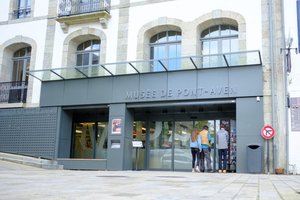
Musée de Pont-Aven, ГастенпаркMusée de Pont-Aven Гастенпарк 3 Portrait of Jules Bois, Profile study of a young woman, Portrait of Madame Champsaur
Музей витончених мистецтв, Х'юстонМузей витончених мистецтв Х'юстон 1 Émile Bernard
Музей Кролер-Мюллер, ОттерлоМузей Кролер-Мюллер Оттерло 1 Still Life with Bowl and Fruits
Musée des Beaux-Arts de Quimper, QuimperMusée des Beaux-Arts de Quimper Quimper 1 Rocky Coast in Brittany
Cincinnati Art Museum, ЦинциннатіCincinnati Art Museum Цинциннаті 1 The Road under the Trees

Клод-Еміль Шутфенеккер рік за роком: оригінали, що визначають кожен період

Вибірка охоплює період діяльності Клод-Еміль Шутфенеккер протягом 12 років, з 1884 по 1895, представляючи найкращі оригінальні роботи кожного року.

Роботи за роками

Оберіть рік, щоб переглянути оригінали.

Запитання колекціонерів про картини Клод-Еміль Шутфенеккер

Яка робота Клод-Еміль Шутфенеккер є найвідомішою?Дізнатися відповідь

Émile Bernard (1889), Музей витончених мистецтв, Х'юстон. Далі йдуть Le retour des foins (1890) та A View Of The Cliffs Of Etretat.

Скільки років було Клод-Еміль Шутфенеккер, коли було створено Émile Bernard?Дізнатися відповідь

38 років: Émile Bernard датована 1889 роком, а Клод-Еміль Шутфенеккер народився(-лася) у 1851.

Які десять найвідоміших картин Клод-Еміль Шутфенеккер?Дізнатися відповідь

Émile Bernard, Le retour des foins, A View Of The Cliffs Of Etretat, Evening walk, Child Dreaming Before the Sea, at Sunset, The First Murder (also known as The Death of Abel), Still Life with Bowl and Fruits, Kelp Gatherers, Rocky Coast in Brittany та Notre Dame in the Snow. У рейтингу вище вказано рік створення та музей для кожної картини.

Скільки картин залишив Клод-Еміль Шутфенеккер?Дізнатися відповідь

Наш каталог містить 26 робіт Клод-Еміль Шутфенеккер, датованих періодом з 1884 по 1895.

У яких музеях виставляються шедеври Клод-Еміль Шутфенеккер?Дізнатися відповідь

Переважно в Музей Вальраф-Рихарта (Köln), Musée de Pont-Aven (Гастенпарк) та Музей витончених мистецтв (Х'юстон). У таблиці музеїв вище наведено їхній повний перелік.

У які роки Клод-Еміль Шутфенеккер створив свої найвідоміші роботи?Дізнатися відповідь

У 1884: 2 із 26 робіт на цій сторінці були створені тоді, серед них Child Dreaming Before the Sea, at Sunset.

Які перша та остання відомі оригінальні роботи Клод-Еміль Шутфенеккер?Дізнатися відповідь

На цій сторінці найдавніша робота датована Child Dreaming Before the Sea, at Sunset (1884), а найновіша — Portrait of Jules Bois (1895).

Які сюжети Клод-Еміль Шутфенеккер обирав найчастіше?Дізнатися відповідь

French art (3), Beach (3) та Landscape painting (2), у 26 роботах на цій сторінці.

До якого художнього напряму належить Клод-Еміль Шутфенеккер?Дізнатися відповідь

Post-impressionism та Impressionism, судячи з оригіналів на цій сторінці.

Які роботи Клод-Еміль Шутфенеккер виставлені в Музей Вальраф-Рихарта?Дізнатися відповідь

Child Dreaming Before the Sea, at Sunset, Kelp Gatherers та Notre Dame in the Snow: Музей Вальраф-Рихарта, Köln зберігає 3 робіт із цієї сторінки.

Чи можу я замовити репродукцію картини Клод-Еміль Шутфенеккер?Дізнатися відповідь

Так, як репродукція: оригінал залишається в музеї, але будь-яку картину з цієї сторінки можна написати вручну спеціально для вас — індивідуальне замовлення можна оформити на сторінці самої картини.

Клод-Еміль Шутфенеккер: життя та творчість

Claude Emile Schuffenecker (1851–1934): An Unsung Pioneer of Impressionism

Claude Emile Schuffenecker, born December 8th, 1851, in Haute-Saône, France, remains a figure largely overshadowed by the luminaries of his era – Paul Gauguin and Odilon Redon. Yet, this quiet French Post-Impressionist artist possessed an undeniable contribution to the artistic landscape of late nineteenth century Paris, marked by a fervent dedication to capturing fleeting moments of beauty and a pioneering role in fostering the burgeoning field of art collecting. His life’s journey unfolded amidst considerable personal hardship, yet his artistic vision persisted, shaping landscapes imbued with atmospheric subtlety and portraits reflecting profound psychological depth—a testament to an artist who deserved greater recognition.

Early Life & Artistic Formation

Schuffenecker's upbringing was shaped by familial circumstances that instilled a strong work ethic. Following the untimely death of his father, Nicolas Schuffenecker—a tailor from Guewenheim (Alsace)—in 1854, he and his brother Amédée faced significant economic challenges as their mother relocated to Meudon, near Paris, where her family resided. Supported by his maternal aunt Anne Fauconnet Monnet, Schuffenecker received a robust education at the frères des écoles chrétiennes, preparing him for a career in commerce—specifically, assisting his uncle Pierre Cornu’s chocolate and coffee roasting business. This practical grounding would prove invaluable later in life, providing stability amidst artistic pursuits. Crucially, he found kindred spirits in Gauguin and Redon, engaging in spirited discussions about the masters at the Louvre and honing his skills at the Académie Colarossi—a formative experience that cemented his commitment to exploring innovative approaches to painting.

Friendship with Gauguin & The Volpini Exhibition

A pivotal relationship blossomed between Schuffenecker and Paul Gauguin—a connection that transcended mere artistic camaraderie and deepened into genuine friendship. Both men shared a passion for studying Old Masters, meticulously analyzing compositions and techniques at the Louvre, seeking to distill their essence into visual representations. This intellectual exchange fueled their creative endeavors and cemented their commitment to exploring innovative approaches to painting. Notably, Schuffenecker played an instrumental role in organizing the Volpini Exhibition of 1889—a landmark event showcasing Impressionist art and attracting considerable public attention. His involvement underscored his belief in disseminating artistic ideas and fostering dialogue within the Parisian avant-garde—a reflection of his humanist values and dedication to advancing the cause of modern art.

Schuffenecker’s Artistic Style & Influences

Schuffenecker's distinctive style is characterized by a masterful manipulation of light and color—traits undeniably influenced by Impressionism, yet tempered with a sensitivity to Symbolist aesthetics. He prioritized capturing mood and emotion over precise topographical accuracy, striving to convey the intangible qualities of experience through evocative brushstrokes and muted hues. Consider “Near Meudon,” where Schuffenecker captures the ethereal quality of twilight, employing delicate brushstrokes and pastel shades to evoke a profound sense of tranquility—a technique that exemplifies his artistic prowess and distinguishes him from many of his contemporaries. Furthermore, he was profoundly impacted by Vincent van Gogh’s expressive use of color and texture—recognizing the transformative potential of conveying inner feelings through visual media—and incorporating similar stylistic elements into his own oeuvre.

A Controversial Legacy & Rediscovery

Despite Schuffenecker's considerable contribution to Impressionism and art collecting—including his early involvement in establishing a collection of Van Gogh paintings—his artistic reputation suffered a significant setback following the 1920s, fueled by accusations of stylistic imitation and speculation regarding the authenticity of certain artworks attributed to him. Scholarly research has begun to illuminate Schuffenecker’s life and oeuvre with greater nuance, acknowledging his dedication to capturing atmospheric subtleties and psychological depth—and prompting renewed interest in his work. Recent investigations have bolstered a more measured assessment of his artistic achievements—challenging simplistic interpretations and emphasizing the importance of contextualizing his art within its historical framework—solidifying his rightful place among the pioneers of modern French painting. ### Notable Works:
  • "The Luxembourg Parc"
  • "Paysage Landscape"
Schuffenecker’s legacy serves as a poignant reminder that artistic brilliance can reside beneath the surface of historical narratives—a testament to an artist who deserved greater recognition and whose enduring artworks continue to inspire contemplation and admiration.

Усі 26 робіт Клод-Еміль Шутфенеккер →