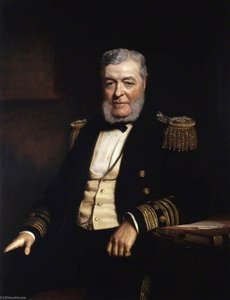
Портрет Степан Пьерсьє

56 найвідоміших картин Степан Пьерсьє, кожна з яких є унікальною

Оновлено Жовтень 2026 · за рейтингом нашої популярності (кількість пошукових запитів, переглядів та замовлень для кожної роботи) · 57 робіт Степан Пьерсьє у нашому каталозі

Коротко кажучи

Alexander Stewart (1854) — це картина Степан Пьерсьє, яка привертає найбільше уваги. Після цього погляд переходить на Robert Brown (1773–1858), DCL, LLD, FRS, PLS (1856) та "Antler" with Grey Petty (1840). Серед 57 робіт Степан Пьерсьє у нашому каталозі ці 56 є найвідомішими: кожна з них — унікальний оригінал із зазначенням року створення, музею та причини її безсмертя.

1819 – 1904, Чарінг-Кросс Academic realism Найбільше робіт: Національна портретна галерея

Топ-10 картин Степан Пьерсьє крізь призму галереї

2
Robert Brown (1773–1858), DCL, LLD, FRS, PLS (1856) авторства Степан Пьерсьє

Robert Brown (1773–1858), DCL, LLD, FRS, PLS

1856 · Oil On Canvas · Collection of The Herbarium, Richmond

The man stares directly through the veil of years, his gaze meeting the viewer with a heavy, unyielding seriousness. He sits in a space where the background has dissolved into a deep, indistinct darkness, leaving nothing to distract from the weight of his presence. This is Robert Brown, captured in a moment of quiet, intellectual intensity. The light falls from above and slightly to the left, carving out the contours…

Знамениті картини Степан Пьерсьє, з 11 по 56

11Robert McCormick (1856) авторства Степан ПьерсьєRobert McCormick1856 · Національна портретна галерея 12Stephen Pearce (1860) авторства Степан ПьерсьєStephen Pearce1860 · Національна портретна галерея 13Sir Horatio Thomas Austin (1860) авторства Степан ПьерсьєSir Horatio Thomas Austin1860 · Національна портретна галерея 14Rochfort Maguire (1860) авторства Степан ПьерсьєRochfort Maguire1860 · Національна портретна галерея 15Sir (Francis) Leopold McClintock (1859) авторства Степан ПьерсьєSir (Francis) Leopold McClintock1859 · Національна портретна галерея 16HRH Henry Frederick (1745–1790), 1st Duke of Cumberland and Strathearn (1884) авторства Степан ПьерсьєHRH Henry Frederick (1745–1790), 1st Duke of Cumberland and Strathearn1884 · The Library And Museum of Freemasonry 17John Barrow (1764–1848) (1846) авторства Степан ПьерсьєJohn Barrow (1764–1848)1846 · Королівське товариство 18William Philip (1835–1897), 4th Earl of Sefton at Ashdown Park (1864) авторства Степан ПьерсьєWilliam Philip (1835–1897), 4th Earl of Sefton at Ashdown Park1864 · Walker Art Gallery 19Фрэнсис Раоун Хастингс (1754–1826), 2-й лорд Моира, впоследствии маркиз Хастингс, КГ (копия после Мартина Арчера Ши) (1884) авторства Степан ПьерсьєФрэнсис Раоун Хастингс (1754–1826), 2-й лорд Моира, впоследствии маркиз Хастингс, КГ (копия после Мартина Арчера Ши)1884 · The Library And Museum of Freemasonry 20Sherard Osborn (1847) авторства Степан ПьерсьєSherard Osborn1847 · Національна портретна галерея 21George Payne Rainsford James (1846) авторства Степан ПьерсьєGeorge Payne Rainsford James1846 · Національна портретна галерея 22Sir Francis Beaufort (1850) авторства Степан ПьерсьєSir Francis Beaufort1850 · Національна портретна галерея 23Sir James Clark Ross (1850) авторства Степан ПьерсьєSir James Clark Ross1850 · Національна портретна галерея 24John Rae (1813–1893), Arctic Explorer (1853) авторства Степан ПьерсьєJohn Rae (1813–1893), Arctic Explorer1853 · Шотландська національна галерея портретів 25Frederick William Beechey (1850) авторства Степан ПьерсьєFrederick William Beechey1850 · Національна портретна галерея 26William Penny (1853) авторства Степан ПьерсьєWilliam Penny1853 · Національна портретна галерея 27Joseph René Bellot (1851) авторства Степан ПьерсьєJoseph René Bellot1851 · Національна портретна галерея 28William Alexander Baillie Hamilton (1850) авторства Степан ПьерсьєWilliam Alexander Baillie Hamilton1850 · Національна портретна галерея 29Sir John Richardson (1850) авторства Степан ПьерсьєSir John Richardson1850 · Національна портретна галерея 30Sir Richard Collinson (1855) авторства Степан ПьерсьєSir Richard Collinson1855 · Національна портретна галерея 31Sir Edward Sabine (1850) авторства Степан ПьерсьєSir Edward Sabine1850 · Національна портретна галерея 32Somerset Richard Lowry Corry (1835–1913), 4th Earl Belmore (1857) авторства Степан ПьерсьєSomerset Richard Lowry Corry (1835–1913), 4th Earl Belmore1857 33David Walker (1860) авторства Степан ПьерсьєDavid Walker1860 · Національна портретна галерея 34Sir Henry Kellett (1856) авторства Степан ПьерсьєSir Henry Kellett1856 · Національна портретна галерея 35Thomas Edward Laws Moore (1860) авторства Степан ПьерсьєThomas Edward Laws Moore1860 · Національна портретна галерея 36Sir (Francis) Leopold McClintock (1859) авторства Степан ПьерсьєSir (Francis) Leopold McClintock1859 · Національна портретна галерея 37Sir Roderick Impey Murchison, 1st Bt (1856) авторства Степан ПьерсьєSir Roderick Impey Murchison, 1st Bt1856 · Національна портретна галерея 38Rear Admiral Sir Francis Beaufort (1774–1857) (1856) авторства Степан ПьерсьєRear Admiral Sir Francis Beaufort (1774–1857)1856 · National Maritime Museum 39William Robert Hobson (1860) авторства Степан ПьерсьєWilliam Robert Hobson1860 · Національна портретна галерея 40Sir Edward Belcher (1859) авторства Степан ПьерсьєSir Edward Belcher1859 · Національна портретна галерея 41Sir Erasmus Ommanney (1861) авторства Степан ПьерсьєSir Erasmus Ommanney1861 · Національна портретна галерея 42Daniel Robert Scratton of Prittlewell Priory, Essex (1867) авторства Степан ПьерсьєDaniel Robert Scratton of Prittlewell Priory, Essex1867 43William Seppings, Mayor (1848) (1869) авторства Степан ПьерсьєWilliam Seppings, Mayor (1848)1869 44Lord Kesteven on a Horse, with Hounds (1871) авторства Степан ПьерсьєLord Kesteven on a Horse, with Hounds1871 · Usher Gallery 45Captain Sir James Clark Ross (1871) авторства Степан ПьерсьєCaptain Sir James Clark Ross1871 · National Maritime Museum 46Sir George Henry Richards (1865) авторства Степан ПьерсьєSir George Henry Richards1865 · Національна портретна галерея 47Sir George Strong Nares (1877) авторства Степан ПьерсьєSir George Strong Nares1877 · Національна портретна галерея 48Edward Sabine (1788–1883) (1855) авторства Степан ПьерсьєEdward Sabine (1788–1883)1855 · Королівське товариство 49Sir Allen William Young (1876) авторства Степан ПьерсьєSir Allen William Young1876 · Національна портретна галерея 50Philip Wykeham Martin, MP (1880) авторства Степан ПьерсьєPhilip Wykeham Martin, MP1880 · Guildhall Museum 51Sir Erasmus Wilson (1809–1884) (1882) авторства Степан ПьерсьєSir Erasmus Wilson (1809–1884)1882 52Admiral John Lort Stokes (1812–1885) (1879) авторства Степан ПьерсьєAdmiral John Lort Stokes (1812–1885)1879 · National Maritime Museum 53Benjamin Leigh Smith (1886) авторства Степан ПьерсьєBenjamin Leigh Smith1886 · Національна портретна галерея 54John Franklin (1786–1847) (after Joseph Mathias Negelen) авторства Степан ПьерсьєJohn Franklin (1786–1847) (after Joseph Mathias Negelen)Scott Polar Research Institute 55Sir Edward Augustus Inglefield (copy after an original of c.1853 by the artist) авторства Степан ПьерсьєSir Edward Augustus Inglefield (copy after an original of c.1853 by the artist) 56The Arctic Council planning a search for Sir John Franklin (1851) авторства Степан ПьерсьєThe Arctic Council planning a search for Sir John Franklin1851 · Національна портретна галерея

Теми, що привертали увагу Степан Пьерсьє

Чотири сюжети, які найчастіше зустрічаються в цих оригіналах, кожен із найкращим прикладом.

Музеї, у яких зберігаються оригінали Степан Пьерсьє

8 музеїв, у яких зберігається найбільша кількість картин із цього списку.

Музей Місто Твори Степан Пьерсьє Картини зі цього списку
Національна портретна галерея, ЛондонНаціональна портретна галерея Лондон 35 John Rae, Sir Robert McClure, William Kennedy
National Maritime Museum, ЛондонNational Maritime Museum Лондон 3 Rear Admiral Sir Francis Beaufort (1774–1857), Captain Sir James Clark Ross, Admiral John Lort Stokes (1812–1885)
The Library And Museum of Freemasonry, LondonThe Library And Museum of Freemasonry London 2 HRH Henry Frederick (1745–1790), 1st Duke of Cumberland and Strathearn, Фрэнсис Раоун Хастингс (1754–1826), 2-й лорд Моира, впоследствии маркиз Хастингс, КГ (копия после Мартина Арчера Ши)
Королівське товариство, ЛондонКоролівське товариство Лондон 2 John Barrow (1764–1848), Edward Sabine (1788–1883)
Collection of The Herbarium, RichmondCollection of The Herbarium Richmond 1 Robert Brown (1773–1858), DCL, LLD, FRS, PLS
Королівська колекція, ЛондонКоролівська колекція Лондон 1 "Antler" with Grey Petty
Walker Art Gallery, ЛіверпульWalker Art Gallery Ліверпуль 1 William Philip (1835–1897), 4th Earl of Sefton at Ashdown Park
Шотландська національна галерея портретів, ЕдінбургШотландська національна галерея портретів Едінбург 1 John Rae (1813–1893), Arctic Explorer

Степан Пьерсьє крізь десятиліття: одна унікальна оригінальна робота для кожного

Роботи за десятиліттями

Оберіть десятиліття, щоб побачити оригінальний твір, який його визначає.

Картини Степан Пьерсьє: запитання до галереї

Яка найвідоміша робота Степан Пьерсьє?Дізнатися відповідь

Alexander Stewart (1854). Далі йдуть Robert Brown (1773–1858), DCL, LLD, FRS, PLS (1856) та "Antler" with Grey Petty (1840).

У якому віці Степан Пьерсьє створив(ла) Alexander Stewart?Дізнатися відповідь

35 років: Alexander Stewart датована 1854 роком, а Степан Пьерсьє народився(-лася) у 1819.

Які десять найвідоміших картин Степан Пьерсьє?Дізнатися відповідь

Alexander Stewart, Robert Brown (1773–1858), DCL, LLD, FRS, PLS, "Antler" with Grey Petty, John Rae, Sir Robert McClure, William Kennedy, Sir Edward Augustus Inglefield, Sir William Edward Parry, John Barrow та Emily Louise Shepherd (1814–1904), Countess Belmore. У рейтингу вище вказано рік створення та музей для кожної картини.

Скільки відомих робіт належить Степан Пьерсьє?Дізнатися відповідь

Наш каталог містить 57 робіт Степан Пьерсьє, датованих періодом з 1840 по 1886.

Де можна побачити найвідоміші оригінали Степан Пьерсьє?Дізнатися відповідь

Переважно в Національна портретна галерея (Лондон), National Maritime Museum (Лондон) та The Library And Museum of Freemasonry (London). У таблиці музеїв вище наведено їхній повний перелік.

У який період Степан Пьерсьє створив свої найвідоміші картини?Дізнатися відповідь

У 1850s: 29 із 56 робіт на цій сторінці були створені тоді, серед них Alexander Stewart.

Яка з найвідоміших картин Степан Пьерсьє була написана найраніше, а яка — найпізніше?Дізнатися відповідь

На цій сторінці найдавніша робота датована "Antler" with Grey Petty (1840), а найновіша — Benjamin Leigh Smith (1886).

Яким сюжетам віддавав перевагу Степан Пьерсьє?Дізнатися відповідь

Victorian era (9), Formal attire (8) та Portrait (8), у 56 роботах на цій сторінці.

Якими матеріалами найчастіше користувався Степан Пьерсьє?Дізнатися відповідь

Oil On Canvas, для 5 із 56 робіт на цій сторінці.

До якого напряму належить творчість Степан Пьерсьє?Дізнатися відповідь

Academic realism, судячи з оригіналів на цій сторінці.

Які оригінальні роботи Степан Пьерсьє можна побачити в Національна портретна галерея?Дізнатися відповідь

John Rae, Sir Robert McClure та William Kennedy: Національна портретна галерея, Лондон зберігає 35 робіт із цієї сторінки.

Степан Пьерсьє: портрет художника

Early Life and Artistic Foundations

Stephen Pearce, born in the heart of London on November 16, 1819, at King’s Mews, Charing Cross, entered a world subtly interwoven with England’s regal fabric. As the sole child of Stephen Pearce, a clerk within the Department of the Master of Horse, and Ann Whittington, his upbringing was steeped in service to the Crown—a connection that would profoundly resonate throughout his artistic journey. This proximity instilled not merely decorum but access to subjects that defined much of his early career: the magnificent horses of the Royal Mews. Formal training commenced at Sass’s Academy in Charlotte Street, a respected institution for aspiring artists, followed by rigorous study at the prestigious Royal Academy Schools beginning in 1840. A pivotal moment arrived in 1841 when he became a pupil of Sir Martin Archer Shee, a prominent portraitist whose influence shaped Pearce's approach to capturing likeness and character—a meticulous attention to detail that would characterize his entire oeuvre. These formative years instilled within him not only technical proficiency but also an understanding of how to convey emotion and psychological nuance through visual representation.

A Versatile Career: Portraiture, Equine Art, and Literary Circles

Pearce’s professional life unfolded across decades, marked by remarkable versatility. From 1842 to 1846, he served as an amanuensis—a secretary—to the celebrated novelist Charles Lever. This period offered unique immersion into literary circles, broadening his understanding of narrative and character development – skills that subtly informed the psychological depth of his portraiture. His initial artistic successes centered on paintings of favored horses within the Royal Mews, exhibited at the Royal Academy in 1839 and again in 1841, establishing him as a skilled animalier—a specialist in depicting animals with exceptional realism. He possessed an innate ability to capture not merely physical appearance but also the spirit and essence of his subjects, reflecting a deep appreciation for observation and artistic sensitivity. A sojourn to Italy around 1849 proved transformative, refining his aesthetic sensibilities before he resumed regular contributions to Burlington House exhibitions upon his return to England. His style underwent noticeable evolution; early works displayed pronounced shadowing and meticulous precision—a hallmark of academic tradition—while later paintings embraced greater freedom and fluidity in technique, demonstrating a willingness to experiment with new approaches without abandoning fundamental principles. He wasn’t confined by genre, moving seamlessly between capturing the nobility of a prized stallion and the nuanced personality of a prominent Victorian gentleman.

The Arctic Chronicles: A Defining Commission

It was through a unique confluence of artistic talent and historical circumstance that Pearce truly distinguished himself: his involvement in documenting the era’s fervent interest in Arctic exploration. Perhaps most notable is “The Arctic Council discussing a plan of search for Sir John Franklin” (1851), commissioned by Colonel John Barrow—a monumental undertaking that captured the public’s imagination and served as a poignant reminder of the perils and heroism inherent in polar expeditions. Pearce skillfully rendered the faces of leading figures strategizing the rescue mission, conveying not only their physical likeness but also their inner anxieties and determination—a testament to his ability to portray complex emotions with remarkable accuracy. The painting embodies the spirit of Victorian scientific inquiry and humanitarian concern, reflecting a broader cultural fascination with these daring endeavors. Beyond this monumental work, Pearce became renowned for his equestrian portraits, particularly those of masters of foxhounds, harriers, and prominent horse owners like the Earl of Craven—a genre that showcased his mastery of composition and color palette. “Coursing at Ashdown Park” (1869), a sprawling landscape featuring approximately sixty equestrian figures, stands as a testament to his skill in depicting both human subjects and their noble steeds within a dynamic setting—a scene brimming with movement and conveying the thrill of the hunt. He also created numerous half-length portraits of Arctic explorers—Sir Robert McClure, Sir Leopold McClintock, Captain Penny—commissioned by Barrow and Lady Franklin, many residing today in the National Portrait Gallery.

Legacy and Historical Significance

Pearce’s artistic vision was shaped by 19th-century British art's prevailing currents. His training under Sir Martin Archer Shee firmly placed him within the tradition of formal, academic portraiture that dominated the era—a style characterized by idealized beauty and meticulous attention to detail. The enduring popularity of equestrian subjects reflected a broader cultural fascination with horses and horsemanship, particularly among the aristocracy and landed gentry—a passion that mirrored Pearce’s own enthusiasm for observing and representing the natural world. Simultaneously, his Arctic paintings demonstrated engagement with contemporary events—the scientific exploration of the polar regions—and tapped into the public’s intense interest in these daring expeditions. His ability to capture accurate likenesses, combined with sensitivity and precision in portraying human figures and animals, earned him respect within artistic circles. The National Portrait Gallery holds an impressive collection of forty-four portraits by Pearce—two self-portraits—underscoring his substantial contribution to British portraiture. He passed away on January 31, 1904, at Sussex Gardens, West London—leaving behind a legacy of masterful paintings that continue to inspire admiration and scholarly study.