


1


Оновлено Листопад 2026 · за рейтингом нашої популярності (кількість пошукових запитів, переглядів та замовлень для кожної роботи) · 59 робіт Robert Gwathmey у нашому каталозі
Коротко кажучи
The Farmer Wanted a Boy (1942) — це картина Robert Gwathmey, яка привертає найбільше уваги; оригінал зберігається в Art Institute of Chicago, Чикаго. Після цього погляд переходить на Portrait of a Farmer's Wife (1951) та Parade (1951). Серед 59 робіт Robert Gwathmey у нашому каталозі ці 56 є найвідомішими: кожна з них — унікальний оригінал із зазначенням року створення, музею та причини її безсмертя.


The Parade painting by Robert Gwathmey is a remarkable piece of art that showcases the artist's unique style and technique. Created in 1951, this watercolour painting measures 53 x 36 cm and is currently housed at the Smithsonian American Art Museum in the United States. Artist Background Robert Gwathmey was an American artist known for his bold and expressive works of art. Born in 1903, he was a prominent figure…


 Untitled (853)
12
 Untitled (574)
13
 Untitled (791)
14
 Untitled (219)
15
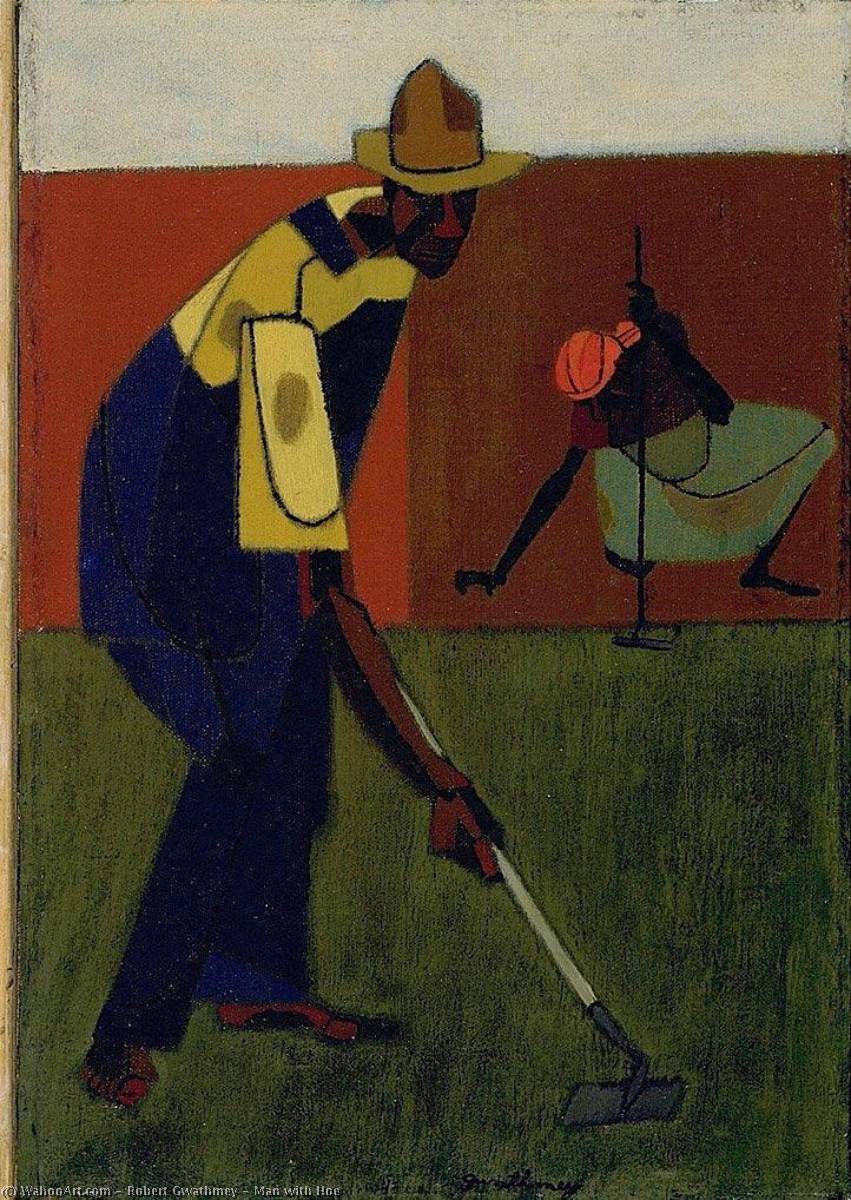
 Man with Hoe1944
16
 Singing and Mending1944
17
 Front Porch1947
18
 Poll Tax Country1945
19
 Sharecroppers and Blackberry Pickers1950
20
 Carrying the Sack1950
21
 Asleep at the Table1945 · Ogden Museum of Southern Art
22
 Untitled (813)
23
 Untitled (585)
24
 Untitled (196)
25
 Untitled (106)
26
 Untitled (721)
27
 Untitled (226)
28
 Untitled (193)
29
 Untitled (805)
30
 Untitled (561)
31
 Untitled (348)
32
 Untitled (491)
33
 Untitled (360)
34
 Untitled (416)
35
 Untitled (558)
36
 Untitled (285)
37
 Untitled (857)
38
 Untitled (207)
39
 Untitled (788)
40
 Untitled (724)
41
 Untitled (668)
42
 Untitled (655)
43
 Untitled (626)
44
 Untitled (735)
45
 Untitled (909)
46
 Untitled (968)
47
 Untitled (878)
48
 Untitled (106)
49
 Untitled (958)
50
 Untitled (857)
51
 Untitled (430)
52
 Untitled (750)
53
 Untitled (183)
54
 Untitled (229)
55
 Untitled (565)
56
 Going Home
2 музеїв, у яких зберігається більшість картин із цього списку.
| Музей | Місто | Твори Robert Gwathmey | Картини зі цього списку |
|---|---|---|---|
 Art Institute of Chicago |
Чикаго | 1 | The Farmer Wanted a Boy |
 Ogden Museum of Southern Art |
Новий Орлеан | 1 | Asleep at the Table |
Оригінали Robert Gwathmey, датовані в межах приблизно десяти років, з 1942 по 1951, представлені тут дозволяють простежити еволюцію стилю рік за роком.
Оберіть рік, щоб переглянути оригінали.


The Farmer Wanted a Boy (1942), Art Institute of Chicago, Чикаго. Далі йдуть Portrait of a Farmer's Wife (1951) та Parade (1951).
39 років: The Farmer Wanted a Boy датована 1942 роком, а Robert Gwathmey народився(-лася) у 1903.
The Farmer Wanted a Boy, Portrait of a Farmer's Wife, Parade, Untitled (504), Untitled (978), Untitled (811), Untitled (540), Untitled (830), Untitled (598) та Untitled (389). У рейтингу вище вказано рік створення та музей для кожної картини.
Наш каталог містить 59 робіт Robert Gwathmey, датованих періодом з 1942 по 1951.
Переважно в Art Institute of Chicago (Чикаго) та Ogden Museum of Southern Art (Новий Орлеан). У таблиці музеїв вище наведено їхній повний перелік.
У 1944: 2 із 56 робіт на цій сторінці були створені тоді, серед них Man with Hoe.
На цій сторінці найдавніша робота датована The Farmer Wanted a Boy (1942), а найновіша — Portrait of a Farmer's Wife (1951).
Social realism, судячи з оригіналів на цій сторінці.