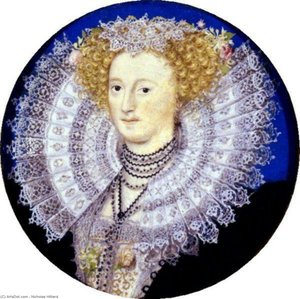
Nicholas Hilliard – The Soul of Elizabethan England
Nicholas Hilliard (1547–1619) stands as a singular figure in the artistic landscape of Elizabethan England, revered for his mastery of portrait miniature and recognized as “the central artistic figure of the Elizabethan age,” according to art historian Peter Ackroyd. Unlike many artists of his time who pursued grand canvases—a trend championed by figures like Rembrandt—Hilliard’s genius resided in capturing the essence of his subjects within exquisitely crafted oval portraits, a technique that profoundly shaped English art for decades and continues to inspire admiration today.
- Early Life & Family: Born in Exeter, Devon, Hilliard descended from a family steeped in goldsmithing tradition. His father, Richard Hilliard, was a staunch Protestant who faced exile during Mary I’s reign alongside John Bodley, the patriarch of his household. This formative experience instilled in young Nicholas an appreciation for meticulous craftsmanship and exposure to Calvinist ideals—influences that subtly permeated his artistic worldview.
- Training & Apprenticeship: Hilliard's formal training commenced under Robert Brandon, Elizabeth I’s jeweller, providing him with invaluable skills in the art of miniature painting. He honed his technique by studying illuminated manuscripts, absorbing influences from Flemish artists like Simon Bening who championed a similar approach to artistic expression.
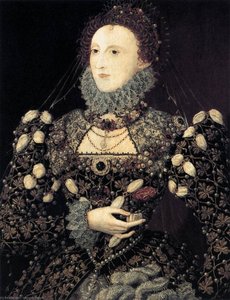
- Royal Patronage & Artistic Flourishing: Hilliard's ascent to prominence began with Robert Dudley’s patronage—a pivotal relationship that secured him commissions and propelled him into the heart of Elizabethan court life. Elizabeth I recognized Hilliard’s talent immediately, commissioning portraits that solidified his reputation as “limner to the monarch” and establishing him as a cornerstone of Tudor artistic achievement.
- The Art of Miniature: Style & Symbolism Hilliard revolutionized English portraiture through his dedication to the miniature form. He eschewed large-scale canvases in favor of oval portraits, typically ranging up to ten inches tall—a format that demanded precision and an understanding of materials. His skill was unparalleled, yet he went beyond mere representation, imbuing each portrait with symbolic elements that spoke volumes about the sitter’s status, beliefs, and aspirations.
- Legacy & Influence: Hilliard's enduring legacy extends far beyond his individual artworks. He established a distinctive style of miniature painting that profoundly influenced subsequent generations of English artists—a testament to his artistic vision and cementing his place as one of Britain’s most important figures in the Renaissance. His meticulous technique, combined with his masterful use of symbolism, continues to captivate audiences today, ensuring that Hilliard's art remains a window into the soul of Elizabethan England.
His portraits—particularly those depicting Elizabeth I—offer invaluable visual records of the Tudor court and illuminate the cultural values of the era. They stand as enduring symbols of Elizabethan grandeur and artistic innovation.