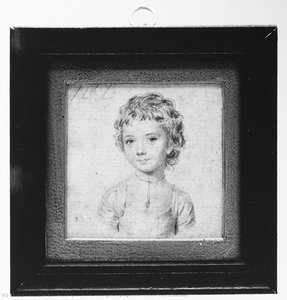
Портрет John Smart

43 найвідоміших картин John Smart: добірка галереї

Оновлено Листопад 2026 · за рейтингом нашої популярності (кількість пошукових запитів, переглядів та замовлень для кожної роботи) · 40 робіт John Smart у нашому каталозі

Коротко кажучи

З усіх оригінальних робіт, які залишив John Smart, найвідомішою є Sir William Hood (1766) із колекції Метрополітен-музей, Нью-Йорк. Слідом за ними йдуть Baron Gustaf Adam von Nolcken (1775) та Portrait of a Gentleman (1766). Наш каталог містить 40 робіт John Smart; галерея зберегла 43 найвідоміших у світі творів, кожен із яких представлений із датою створення, назвою музею та своєю історією.

1741 – 1811, Norfolk Neoclassicism Найбільше робіт: Yale Center for British Art

10 найкращих картин John Smart: вибір галереї

1
Sir William Hood (1766) авторства John Smart

Sir William Hood

1766 · Ivory · Метрополітен-музей, Нью-Йорк

The portrait titled Sir William Hood is a work by the British artist John Smart. Born in Norfolk, Smart captured this sitter in a moment of quiet, aristocratic poise. The image presents a man of status, his presence defined by the sharp contrast of a white cravat against a deep crimson waistcoat. It is a study of a single life held within a small, oval frame.

2
Baron Gustaf Adam von Nolcken (1775) авторства John Smart

Baron Gustaf Adam von Nolcken

1775 · Watercolor · Національний музей Швеції, Стокгольм

To hold this miniature is to hold a fragment of the Georgian era, a quiet encounter with Baron Gustaf Adam von Nolcken. Painted in 1775, the portrait captures the Swedish diplomat in a moment of composed dignity. He is presented in a three-quarter view, his gaze steady and his expression carrying the weight of his station. The subject is framed within an oval gold-toned locket, an intimate scale that demands…

3
Portrait of a Gentleman (1766) авторства John Smart

Portrait of a Gentleman

1766 · Watercolor · Yale Center for British Art, Нью-Хейвен

is a portrait miniature executed by the British artist John Smart. Dating to 1766, the work captures a single gentleman from the mid-18th century. It represents a period of significant technical development in the art of the miniature, focusing on the intimate scale of the individual subject.

4
Portrait of an Elderly Lady (1767) авторства John Smart

Portrait of an Elderly Lady

1767 · Gouache · Yale Center for British Art, Нью-Хейвен

In the Portrait of an Elderly Lady by John Smart, the subject is captured in a centered, bust-length view within a delicate oval format. The perspective is a direct, eye-level gaze that invites a sense of closeness. She sits against a neutral, olive-toned background, a quiet space that allows her presence to remain the singular focus. Her expression is serene and slightly pleasant, carrying a weight of quiet wisdom through…

5
Captain Marriott (1777) авторства John Smart

Captain Marriott

1777 · Watercolor · Yale Center for British Art, Нью-Хейвен

This 1777 portrait miniature, titled Captain Marriott, presents an intimate oval-shaped bust-length depiction of a young man in profile. Facing left, the subject is rendered with a calm and dignified expression that conveys a sense of quiet nobility or military poise. The composition is characterized by a vibrant, saturated red coat that stands in sharp contrast to the crisp white of his cravat and powdered hair. A soft, neutral greyish-brown…

6
Portrait of a Gentleman (1773) авторства John Smart

Portrait of a Gentleman

1773 · Watercolor · Yale Center for British Art, Нью-Хейвен

To hold this miniature is to encounter a moment of poised dignity from 1773. The subject, a young man captured in a three-quarter view, gazes out with a calm expression that suggests a life of composure. He is framed within an oval composition, a choice that focuses the viewer entirely on the subtle nuances of his features and the texture of his attire. There is an immediate sense of presence…

7
Robert, first Baron Clive of Plassey (1776) авторства John Smart

Robert, first Baron Clive of Plassey

1776 · Gouache · Yale Center for British Art, Нью-Хейвен

This portrait of Robert, first Baron Clive of Plassey, was executed by the artist John Smart in 1776. The work presents the subject as a middle-aged man positioned in a bust-length view. He is depicted wearing military attire, which includes a red jacket with deep blue lapels. Gold embroidery adorns the edges of the lapels. A white cravat and a powdered wig frame the face of the subject.

Вибірка John Smart триває, від 11 до 43

11Lady Deering (1770) авторства John SmartLady Deering1770 · Національний музей Швеції 12Arthur Freeman (1771) авторства John SmartArthur Freeman1771 13Portrait of Mrs. Nathaniel Bailey, née Lamack (1776) авторства John SmartPortrait of Mrs. Nathaniel Bailey, née Lamack1776 · Клівлендський музей мистецтва 14Portrait of an Officer (1794) авторства John SmartPortrait of an Officer1794 · Клівлендський музей мистецтва 15Portrait of a Man (1786) авторства John SmartPortrait of a Man1786 · Клівлендський музей мистецтва 16Major General Sir Barry Close (1794) авторства John SmartMajor General Sir Barry Close1794 · Yale Center for British Art 17Portrait of a Young Lady, probably the artist's daughter Anna Maria Woolf (1788) авторства John SmartPortrait of a Young Lady, probably the artist's daughter Anna Maria Woolf1788 · Yale Center for British Art 18Charles Cornwallis, Marquess, Viceroy of Ireland (1792) авторства John SmartCharles Cornwallis, Marquess, Viceroy of Ireland1792 · Національний музей Швеції 19Lady Mary Cornwallis (1769-1840), married Singleton (1793) авторства John SmartLady Mary Cornwallis (1769-1840), married Singleton1793 · Національний музей Швеції 20Portrait of Lieutenant General Daniel Burr (1799) авторства John SmartPortrait of Lieutenant General Daniel Burr1799 · Клівлендський музей мистецтва 21General Stevenson (1796) авторства John SmartGeneral Stevenson1796 · Yale Center for British Art 22Self-Portrait авторства John SmartSelf-PortraitНаціональний музей Швеції 23Self-portrait авторства John SmartSelf-portraitНаціональний музей Швеції 24Portrait of a Young Man авторства John SmartPortrait of a Young ManYale Center for British Art 25Portrait Of John Oglander авторства John SmartPortrait Of John Oglander 26Unknown Man With The Initials 'er'. авторства John SmartUnknown Man With The Initials 'er'. 27Autumn's Short Shadowy Days авторства John SmartAutumn's Short Shadowy Days 28Mrs. Comyns (1760) авторства John SmartMrs. Comyns1760 · Метрополітен-музей 29Mrs. Caroline Deas (1760) авторства John SmartMrs. Caroline Deas1760 · Метрополітен-музей 30Sir George Armytage (1761–1836), Fourth Baronet (1763) авторства John SmartSir George Armytage (1761–1836), Fourth Baronet1763 · Метрополітен-музей 31Scene With Cattle авторства John SmartScene With Cattle 32Far From The Busy World авторства John SmartFar From The Busy World 33A Perthshire River авторства John SmartA Perthshire River 34A Cloudy Day, Strathearn, Perthshire авторства John SmartA Cloudy Day, Strathearn, Perthshire 35Portrait Of A Boy авторства John SmartPortrait Of A Boy 36On The Teith Near Doune авторства John SmartOn The Teith Near Doune 37The Gloom Of Glen Ogle авторства John SmartThe Gloom Of Glen Ogle 38Harvest Field авторства John SmartHarvest Field 39Highland Cattle In Cornfield авторства John SmartHighland Cattle In Cornfield 40In Autumn's Shadowy Days авторства John SmartIn Autumn's Shadowy Days 41The Pass Of The Cateran авторства John SmartThe Pass Of The Cateran 42The Pass Of Leny, Perthshire авторства John SmartThe Pass Of Leny, Perthshire 43Samuel Andrews авторства John SmartSamuel AndrewsНаціональний музей Швеції

Теми, що привертали увагу John Smart

Чотири сюжети, які найчастіше зустрічаються в цих оригіналах, кожен із найкращим прикладом.

Музеї, у яких зберігаються оригінали John Smart

4 музеїв, у яких зберігається більшість картин із цього списку.

Музей Місто Твори John Smart Картини зі цього списку
Yale Center for British Art, Нью-ХейвенYale Center for British Art Нью-Хейвен 10 Portrait of a Gentleman, Portrait of an Elderly Lady, Captain Marriott
Національний музей Швеції, СтокгольмНаціональний музей Швеції Стокгольм 8 Baron Gustaf Adam von Nolcken, John Smart Junior, the artists son, Lady Deering
Клівлендський музей мистецтва, КлівлендКлівлендський музей мистецтва Клівленд 5 Portrait of Constantine Phipps, Portrait of Mrs. Nathaniel Bailey, née Lamack, Portrait of an Officer
Метрополітен-музей, Нью-ЙоркМетрополітен-музей Нью-Йорк 4 Sir William Hood, Mrs. Comyns, Mrs. Caroline Deas

John Smart десятиліття за десятиліттям: оригінали, що визначають кожне з них

Роботи за десятиліттями

Оберіть десятиліття, щоб побачити оригінальний твір, який його визначає.

Запитання колекціонерів про картини John Smart

Яка робота John Smart є найвідомішою?Дізнатися відповідь

Sir William Hood (1766), Метрополітен-музей, Нью-Йорк. Далі йдуть Baron Gustaf Adam von Nolcken (1775) та Portrait of a Gentleman (1766).

Скільки років було John Smart, коли було створено Sir William Hood?Дізнатися відповідь

25 років: Sir William Hood датована 1766 роком, а John Smart народився(-лася) у 1741.

Які десять найвідоміших картин John Smart?Дізнатися відповідь

Sir William Hood, Baron Gustaf Adam von Nolcken, Portrait of a Gentleman, Portrait of an Elderly Lady, Captain Marriott, Portrait of a Gentleman, Robert, first Baron Clive of Plassey, John Smart Junior, the artists son, Portrait of Constantine Phipps та Portrait of a Lady. У рейтингу вище вказано рік створення та музей для кожної картини.

Скільки картин залишив John Smart?Дізнатися відповідь

Наш каталог містить 40 робіт John Smart, датованих періодом з 1760 по 1799.

У яких музеях виставляються шедеври John Smart?Дізнатися відповідь

Переважно в Yale Center for British Art (Нью-Хейвен), Національний музей Швеції (Стокгольм) та Клівлендський музей мистецтва (Клівленд). У таблиці музеїв вище наведено їхній повний перелік.

У які роки John Smart створив свої найвідоміші роботи?Дізнатися відповідь

У 1770s: 9 із 43 робіт на цій сторінці були створені тоді, серед них Baron Gustaf Adam von Nolcken.

Які перша та остання відомі оригінальні роботи John Smart?Дізнатися відповідь

На цій сторінці найдавніша робота датована Mrs. Comyns (1760), а найновіша — Portrait of Lieutenant General Daniel Burr (1799).

Які сюжети John Smart обирав найчастіше?Дізнатися відповідь

Man (6), White cravat (4) та Red coat (3), у 43 роботах на цій сторінці.

Яку техніку найчастіше використовував(ла) John Smart?Дізнатися відповідь

Watercolor, для 4 із 43 робіт на цій сторінці.

До якого художнього напряму належить John Smart?Дізнатися відповідь

Neoclassicism, судячи з оригіналів на цій сторінці.

Які роботи John Smart виставлені в Yale Center for British Art?Дізнатися відповідь

Portrait of a Gentleman, Portrait of an Elderly Lady та Captain Marriott: Yale Center for British Art, Нью-Хейвен зберігає 10 робіт із цієї сторінки.

John Smart: життя та творчість

A Legacy in Miniature

In the delicate, luminous world of eighteenth-century British portraiture, few names evoke the same sense of intimate precision as John Smart. A master of the miniature, Smart possessed the rare ability to compress the grandeur of the Georgian era into tiny, ivory canvases that felt as vast and profound as the souls they depicted. While his physical works were small enough to be held in the palm of a hand, the impact of his artistry was monumental, bridging the gap between the formal rigidity of classical portraiture and the burgeoning emotional depth of the Romantic movement.

Born in Norfolk, United Kingdom, Smart’s early life remains somewhat shrouded in the soft mists of history, yet the traces of his development reveal an artist deeply connected to the pulse of English art. His talent was evident from a young age; in 1755, he was recorded as a runner-up in a drawing competition for under-fourteens held by the Society for the Encouragement of Arts, Manufactures and Commerce. This early recognition led him to London, where he attended the drawing school of William Shipley alongside other notable contemporaries like Richard Cosway.

Technical Mastery and the Luminous Glow

To gaze upon a true John Smart miniature is to witness a masterclass in light and texture. His technique was nothing short of alchemy, often employing the grisaille method—a sophisticated process where a monochrome underpainting establishes the foundational shadows and structural tones. Upon this skeletal framework, he applied incredibly thin, translucent glazes of color. This layering allowed light to pass through the pigment and reflect off the white ivory base, creating an ethereal, inner glow that seemed to emanate from within the subject itself.

Unlike some of his contemporaries, such as Cosway, whose work often leaned toward a more flamboyant style, Smart’s approach was characterized by a quiet, grey-toned palette and subtle flesh tints. He possessed a profound knowledge of anatomy, ensuring that his portraits were drawn with greater anatomical accuracy than almost any other miniature painter of his era. His ability to use fine white lines over loose brushstrokes to suggest individual hairs or the delicate stippling of a face provided a degree of warmth and depth that was truly unique.

A Journey Through Art and Empire

Smart’s career was marked by both professional leadership and geographical exploration. He exhibited at the Society of Artists in London from 1762 onwards, eventually ascending to the position of president in 1778. His reach extended far beyond the borders of England; in 1788, he traveled to India, where he was based in Madras. During this period, he obtained numerous commissions, creating works that captured the essence of his subjects even while far from his London roots.

The historical significance of his work is preserved through remarkable collections, such as the Starr collection at the Nelson-Atkins Museum of Art, which includes a signed and dated miniature for nearly every year of his career. This chronological record allows scholars to witness the full progression of his style and the changing fashions of the period. Through his meticulous dedication to the art of the miniature, John Smart left behind a window into human truth, capturing the quiet, psychological nuances of the Georgian age.