Портрет John Riley

29 найвідоміших картин John Riley: добірка галереї

Оновлено Жовтень 2026 · за рейтингом нашої популярності (кількість пошукових запитів, переглядів та замовлень для кожної роботи) · 29 робіт John Riley у нашому каталозі

Коротко кажучи

З усіх оригінальних робіт, які залишив John Riley, найвідомішою є Frances Hale (1690) із колекції Yale Center for British Art, Нью-Хейвен. Слідом за ними йдуть Sir John Pole, 3rd Baronet of Shute, MP (1649-1707/8) (1666) та Anne Morice, Lady Pole of Werrington (d. 1713/14) (1665). Наш каталог містить 29 робіт John Riley; галерея зберегла 29 найвідоміших у світі творів, кожен із яких представлений із датою створення, назвою музею та своєю історією.

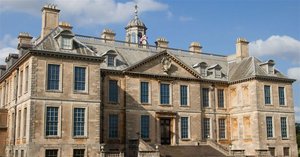
1646 – 1691, London Найбільше робіт: Antony House

10 найкращих картин John Riley: вибір галереї

1
Frances Hale (1690) роботи John Riley

Frances Hale

1690 · Oil On Canvas · Yale Center for British Art, Нью-Хейвен

The light catches her skin with a sudden, luminous clarity, pulling her from a deep and velvet darkness. She sits in a three-quarter view, her gaze steady and quiet, possessing an air of elegance that seems to command the very space around her. A dark, near-black background pushes her forward, creating a sharp contrast that makes the blue of her bodice appear to glow from within. A warm, muted red…

Вибірка John Riley триває, від 11 до 29

11Sir John Sherard (1662-1724) (1675) роботи John RileySir John Sherard (1662-1724)1675 · Бельтон Хаус 12Mary Morice, Lady Carew (d. 1698) (1682) роботи John RileyMary Morice, Lady Carew (d. 1698)1682 · Antony House 13Sir John Carew, 3rd Bt, MP (1635-1692) (1678) роботи John RileySir John Carew, 3rd Bt, MP (1635-1692)1678 · Antony House 14Katherine Elliot (d. 1688) (1687) роботи John RileyKatherine Elliot (d. 1688)1687 · Королівська колекція 15John Somers, Baron Somers (1680) роботи John RileyJohn Somers, Baron Somers1680 · Dulwich Picture Gallery 16William Chiffinch (1680) роботи John RileyWilliam Chiffinch1680 · Dulwich Picture Gallery 17Barbara Bellasis, Mrs Walter Strickland (c. 1645 - 1708) (1690) роботи John RileyBarbara Bellasis, Mrs Walter Strickland (c. 1645 - 1708)1690 · Sizergh Castle 18Mary Lake, Duchess of Chandos (1668-1712) (1690) роботи John RileyMary Lake, Duchess of Chandos (1668-1712)1690 · Lanhydrock House 19James Sotheby (1690) роботи John RileyJames Sotheby1690 20Sir John Powell (1690) роботи John RileySir John Powell1690 · Національна портретна галерея 21Oil painting (1685) роботи John RileyOil painting1685 · Бельтон Хаус 22Bridget Holmes (1591-1691) (1686) роботи John RileyBridget Holmes (1591-1691)1686 · Королівська колекція 23Portrait of a Gentleman, possibly Patrick Sarsfield (d.1693) роботи John RileyPortrait of a Gentleman, possibly Patrick Sarsfield (d.1693)Національна галерея Ірландії 24An Unknown Lady роботи John RileyAn Unknown LadyPenmaenmawr Museum 25Samuel Pepys роботи John RileySamuel PepysYale University Art Gallery 26Sir Josiah Child, Bt роботи John RileySir Josiah Child, BtНаціональна портретна галерея 27Prince George of Denmark (1653-1708) роботи John RileyPrince George of Denmark (1653-1708)Королівська колекція 28James Drummond, 1st titular Duke of Perth, 1648 - 1716. Lord Chancellor of Scotland роботи John RileyJames Drummond, 1st titular Duke of Perth, 1648 - 1716. Lord Chancellor of ScotlandШотландська національна галерея портретів 29Portrait of Katharine Elliot (died 1688), Dresser of Duchess Anne of York and First Woman of the Bedchamber of Queen Mary of Modena, the first and second Wives of James II of England, respectively, John Riley (copy after), c. 1680 - c. 1700 (1700) роботи John RileyPortrait of Katharine Elliot (died 1688), Dresser of Duchess Anne of York and First Woman of the Bedchamber of Queen Mary of Modena, the first and second Wives of James II of England, respectively, John Riley (copy after), c. 1680 - c. 17001700 · Рейксмюзеум

Теми, що привертали увагу John Riley

Чотири сюжети, які найчастіше зустрічаються в цих оригіналах, кожен із найкращим прикладом.

Музеї, у яких зберігаються оригінали John Riley

8 музеїв, у яких зберігається найбільша кількість картин із цього списку.

Музеї Місто Твори John Riley Картини з цього списку
Antony HouseAntony House 4 Sir John Pole, 3rd Baronet of Shute, MP (1649-1707/8), Anne Morice, Lady Pole of Werrington (d. 1713/14), Mary Morice, Lady Carew (d. 1698)
Sudbury Hall, ЕшборнSudbury Hall Ешборн 3 Sir Thomas Vernon (d.1709/10), Miss Weston, Mrs Tooke, Catherine Vernon, Mrs George Vernon (1663-1710)
Королівська колекція, ЛондонКоролівська колекція Лондон 3 Katherine Elliot (d. 1688), Bridget Holmes (1591-1691), Prince George of Denmark (1653-1708)
Birmingham Museum and Art Gallery, БірмінгемBirmingham Museum and Art Gallery Бірмінгем 2 Portrait Of Sir Edward Waldo (1632-1716), Portrait of Sir Christopher Musgrave
Felbrigg Hall, НорвічFelbrigg Hall Норвіч 2 An Unknown Gentleman, An Unknown Lady
Бельтон Хаус, GranthamБельтон Хаус Grantham 2 Sir John Sherard (1662-1724), Oil painting
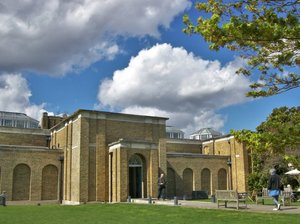
Dulwich Picture Gallery, LondonDulwich Picture Gallery London 2 John Somers, Baron Somers, William Chiffinch
Національна портретна галерея, ЛондонНаціональна портретна галерея Лондон 2 Sir John Powell, Sir Josiah Child, Bt

John Riley десятиліття за десятиліттям: оригінали, що визначають кожне з них

Роботи за десятиліття

Оберіть десятиліття, щоб побачити оригінальний твір, який його визначає.

Запитання колекціонерів про картини John Riley

Яка робота John Riley є найвідомішою?Дізнатися відповідь

Frances Hale (1690), Yale Center for British Art, Нью-Хейвен. Далі йдуть Sir John Pole, 3rd Baronet of Shute, MP (1649-1707/8) (1666) та Anne Morice, Lady Pole of Werrington (d. 1713/14) (1665).

Скільки років було John Riley, коли було створено Frances Hale?Дізнатися відповідь

44 років: Frances Hale датована 1690 роком, а John Riley народився(-лася) у 1646.

Які десять найвідоміших картин John Riley?Дізнатися відповідь

Frances Hale, Sir John Pole, 3rd Baronet of Shute, MP (1649-1707/8), Anne Morice, Lady Pole of Werrington (d. 1713/14), Portrait Of Sir Edward Waldo (1632-1716), Portrait of Sir Christopher Musgrave, Sir Thomas Vernon (d.1709/10), Miss Weston, Mrs Tooke, Catherine Vernon, Mrs George Vernon (1663-1710), An Unknown Gentleman та An Unknown Lady. У рейтингу вище вказано рік створення та музей для кожної картини.

Скільки картин залишив John Riley?Дізнатися відповідь

Наш каталог містить 29 робіт John Riley, датованих періодом з 1665 по 1690.

У яких музеях виставляються шедеври John Riley?Дізнатися відповідь

Переважно в Antony House, Sudbury Hall (Ешборн) та Королівська колекція (Лондон). У таблиці музеїв вище наведено їхній повний перелік.

У які роки John Riley створив свої найвідоміші роботи?Дізнатися відповідь

У 1680s: 10 із 29 робіт на цій сторінці були створені тоді, серед них Portrait of Sir Christopher Musgrave.

Які перша та остання відомі оригінальні роботи John Riley?Дізнатися відповідь

На цій сторінці найдавніша робота датована Anne Morice, Lady Pole of Werrington (d. 1713/14) (1665), а найновіша — Frances Hale (1690).

Які роботи John Riley виставлені в Antony House?Дізнатися відповідь

Sir John Pole, 3rd Baronet of Shute, MP (1649-1707/8), Anne Morice, Lady Pole of Werrington (d. 1713/14) та Mary Morice, Lady Carew (d. 1698): Antony House зберігає 4 робіт із цієї сторінки.

John Riley: життя та творчість

Early Life and Artistic Awakening

The story of Other Names, a figure shrouded in intentional mystery, begins not with dates and places readily available, but with an ethos – a deliberate rejection of the conventional artist’s biography. Emerging onto the contemporary art scene in the early 2010s, Other Names quickly became known for their large-scale abstract paintings that evoke primordial landscapes and deeply personal emotional states. The artist actively resists providing details about their background, preferring instead to let the work speak for itself. What *can* be gleaned is a sense of formative experiences rooted in nature; hints suggest a childhood spent immersed in remote environments, possibly coastal regions or expansive forests. This connection to the natural world is palpable in their canvases, which often feature layered textures and a muted palette reminiscent of earth tones, weathered stone, and twilight skies. The initial impetus for Other Names’ artistic practice wasn't formal training but rather an urgent need for visual expression – a way to process complex emotions and explore the intangible realms of memory and feeling. Early works, though less refined than their later pieces, already demonstrated a remarkable sensitivity to color and composition, hinting at a natural talent honed through self-directed exploration. These formative paintings were rarely exhibited, existing primarily as private explorations within the artist’s studio – a space described by those few who have glimpsed it as both sanctuary and laboratory.

The Development of a Unique Visual Language

Other Names' artistic development is characterized by a gradual refinement of their abstract vocabulary. Initially working with acrylics on canvas, they soon began experimenting with mixed media, incorporating natural pigments, sand, and other organic materials into their compositions. This shift wasn’t merely about texture; it was about grounding the work in the very elements that inspired it. The artist's technique is notably physical – layers are built up over time through a process of addition and subtraction, scraping back paint to reveal underlying colors and forms.
  • Layering & Texture: A hallmark of Other Names’ style, creating depth and complexity.
  • Muted Palette: Predominantly earth tones, grays, blues, and ochres evoke natural landscapes.
  • Organic Materials: Incorporation of sand, pigments, and other elements connects the work to the physical world.
This process is often described as meditative, a slow unveiling rather than a rapid creation. The resulting paintings are not representations *of* landscapes but rather evocations *from* them – emotional resonances captured in form and color. Influences are difficult to pinpoint definitively, given the artist’s deliberate avoidance of art historical references. However, observers have noted subtle echoes of Mark Rothko's color field paintings, Clyfford Still's raw energy, and even the geological strata depicted in the work of Agnes Martin. Yet, Other Names transcends simple categorization, forging a distinctly personal visual language that feels both ancient and contemporary.

Major Achievements and Critical Reception

Other Names’ breakthrough came with their 2015 exhibition at a small gallery in New York City. The show, titled “Resonance,” was an immediate critical success, garnering attention from major art publications and collectors alike. Critics praised the paintings' emotional depth, technical mastery, and unique ability to evoke a sense of both vastness and intimacy. The works were described as "landscapes of the soul," "abstract meditations on loss and renewal," and "powerful expressions of human vulnerability." Artforum magazine featured Other Names in its “New Talent” section, solidifying their position as a rising star in the contemporary art world. Subsequent exhibitions at prominent galleries across the United States and Europe further cemented their reputation. Their large-scale installation at the Venice Biennale in 2017 was particularly noteworthy – a series of interconnected canvases that enveloped viewers in an immersive environment of color and texture, prompting contemplation and introspection. The artist’s refusal to engage in self-promotion or traditional marketing strategies only added to their mystique, fueling public fascination and critical debate.

Historical Significance and Enduring Impact

Other Names occupies a unique position within contemporary art – a figure who challenges conventional notions of authorship, identity, and artistic expression. In an era saturated with image-making and self-branding, their deliberate anonymity is a powerful statement in itself. The artist’s work resonates deeply with audiences seeking authenticity and emotional connection, offering a respite from the superficiality of modern life. Their paintings are not easily categorized or explained; they resist easy interpretation, inviting viewers to engage with them on a visceral level. This ambiguity is intentional – Other Names believes that art should be experienced rather than understood, felt rather than analyzed. The enduring impact of their work lies in its ability to tap into universal human emotions and explore the intangible realms of memory, loss, and renewal. By stripping away the trappings of identity and focusing solely on the power of visual expression, Other Names has created a body of work that is both deeply personal and profoundly resonant – a testament to the enduring power of abstract art in the 21st century. The artist continues to exhibit internationally, maintaining their commitment to anonymity and allowing the paintings themselves to define their legacy.