Меню
БЕЗКОШТОВНА КОНСУЛЬТАЦІЯ З МИСТЕЦТВА

Ґільберт Стюарт

1755 - 1828

Короткі факти

  • Typical colors:
    • теплі тони
    • природний
  • Topics explored:
    • portraiture
    • portrait
    • american history
    • 18th century
    • neoclassicism
  • Art period: — Ранній модерн
  • Mediums: олія на полотні
  • Copyright status: Public domain
  • Room fit: вітальня
  • Nationality: Великобританія
  • Emotional tone: роздумливий
  • Corpus themes:
    • neoclassical ideals
    • american identity
    • classical ideals
    • stuart’s neoclassical style
    • social status
  • Works on APS: 190
  • Museums on APS:
    • Національна галерея мистецтв
    • Національна портретна галерея
    • Національна галерея мистецтв
    • Національна галерея мистецтв
    • High Museum of Art
  • Vibe:
    • елегантний
    • класика
  • Розгорнути…
  • Died: 1828
  • Color intensity: насичений
  • Top-ranked work: Louis-Marie, Vicomte de Noailles
  • Creative periods: mature period
  • Born: 1755, Сентерхаус, Великобританія
  • Also known as: Gilbert Charles Stuart
  • Lifespan: 73 years
  • Gift suitability: other-none
  • Top 3 works:
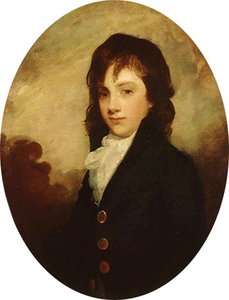
    • Louis-Marie, Vicomte de Noailles
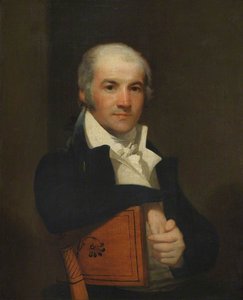
    • Washington Allston
  • Movements: neoclassicism
  • Best occasions:
    • акцент
    • заява

Вікторина з мистецтва

Для кожного питання є лише одна правильна відповідь.

Запитання 1:
Коли народився Гільберт Стюарт?
Запитання 2:
Де навчався Стюарт у молодості?
Запитання 3:
Хто був впливовим художником, з яким Стюарт навчався у Лондоні?
Запитання 4:
Який портрет Гільберта Стюарта вважається найвідомішим?
Запитання 5:
У якому музеї знаходиться велика колекція творів Гільберта Стюарта?

Gilbert Stuart (1755 – 1828): The Soul of American Portraiture

Gilbert Stuart remains one of America’s most revered portraitists, a figure whose canvases capture not merely likenesses but the very essence of his subjects—a feat achieved through meticulous observation and masterful technique. Born December 3rd, 1755, in Saunderstown, Rhode Island, Gilbert Charles Stuart emerged from humble beginnings as the son of a snuff mill owner; however, his artistic talent swiftly distinguished him from his peers. His early fascination with drawing blossomed under the tutelage of Samuel King, establishing a foundation for his lifelong dedication to capturing human character on canvas. ### Early Life and Artistic Training Stuart’s formative years were marked by exposure to Scottish artistic traditions thanks to Cosmo Alexander, whom he studied in Scotland around 1771. This period instilled in him an understanding of composition and technique that would prove invaluable throughout his career. Returning to America in 1775 after Alexander's untimely death, Stuart honed his skills further under Benjamin West, a prominent American painter residing in London—a collaboration that cemented his stylistic development within the influential Royal Academy. It was during this time that he began to develop his signature style: an approach rooted in realism and imbued with dramatic lighting effects designed to illuminate both physical appearance and psychological depth. ### Artistic Career and Major Works Stuart’s artistic journey wasn't without obstacles; the American Revolution forced him to relocate to England, where he continued to produce exceptional portraits despite facing financial difficulties. Despite these challenges, Stuart achieved considerable success early on with “The Skater” (1782), a captivating depiction that instantly established his reputation as one of America’s foremost artists. However, it is undoubtedly his unfinished portrait of George Washington—the Athenaeum Portrait—that secures Stuart's place in art history. Begun in 1796 and never completed, this monumental work became an enduring symbol of American leadership and identity, appearing on the U.S. dollar bill for over a century. Stuart painstakingly replicated this image countless times, catering to commissions from across America and Europe—a testament to his artistic prowess and unwavering devotion to capturing the spirit of his subjects. Beyond Washington, Stuart immortalized other luminaries of the era: John Adams, Thomas Jefferson, James Madison, and numerous members of the Federalist elite, each portrait reflecting Stuart’s profound understanding of human psychology and his ability to convey emotion through subtle nuances of expression. ### Influences and Artistic Style Stuart's artistic sensibilities were profoundly shaped by several key influences. Cosmo Alexander imparted foundational knowledge regarding technique and composition, while Benjamin West instilled a deep appreciation for classical ideals and artistic principles—a legacy that permeated Stuart’s oeuvre. The burgeoning Neoclassical movement served as an overarching framework for his stylistic explorations, encouraging him to prioritize realism and emulate the grandeur of ancient Greek and Roman art. Stuart's meticulous attention to detail—particularly in capturing facial expressions and conveying inner character—became a hallmark of his distinctive style. He skillfully employed chiaroscuro—the dramatic interplay of light and shadow—to heighten the emotional impact of his portraits, transforming them into timeless representations of human dignity and intellect. ### Historical Significance and Legacy Gilbert Stuart’s contribution to American art is undeniable; he elevated portraiture to an art form that transcended mere likeness, capturing not just physical appearance but also the soul of his subjects—a feat achieved through unparalleled skill and sensitivity. The Athenaeum Portrait remains a cornerstone of American iconography, embodying ideals of leadership and republican virtue. Stuart’s portraits continue to inspire admiration for their artistic excellence and historical importance, ensuring that his legacy endures as one of America's most celebrated artists. His work resides in prominent museums across the United States and Europe—a testament to his enduring influence on subsequent generations of painters.