Драматичне бачення Франсіса Хаймана
У яскравому, мінливому ландшафті британського мистецтва XVIII століття мало хто володів такою багатогранною доблестю, як Франсіс Хайман. Народившись в Ексетері у 1708 році, Хайман не просто спостерігав за культурною еволюцією своєї епохи — він активно формував її візуальну мову. Його шлях розпочався далеко від вишуканих галерей Лондона, у невловимому та емоційно напруженому світі театральних декорацій. Це раннє занурення в драматичне мистецтво дало йому унікальну перевагу, прищепивши глибоке розуміння композиції, світла та наративного напруження, що згодом визначило його майстерність у стилі рококо. Перейшовши від створення декорацій до самостійної творчості в Сент-Мартінс-Лейн, Хайман приніс із собою душу оповідача, здатну перетворити статичне полотно на вікно у театральний момент.
Естетична сутність робіт Хаймана глибоко переплетена з напрямом рококо — епохою, що характеризується граціозністю, орнаментальністю та певною безтурботною елегантністю. Надихаючись розкішними французькими майстрами, такими як Франсуа Буше, Хайман обрав палітру ніжних пастельних тонів та плавних, ритмічних мазків. Проте його творчість ніколи не була суто декоративною; вона володіла структурною цілісністю, заснованою на класичних ідеалах. Завдяки зв'язкам із новоствореними інтелектуальними колами Лондона, він інтегрував відчуття пропорції та форми, що дозволило його портретам вийти за межі простого портретного сходства, вловлюючи саму суть характеру та соціального статусу.
Спадщина Королівської академії та майстерність оповіді
Історична значущість Хаймана ґрунтується на його фундаментальній ролі у заснуванні Королівської академії. Будучи одним із засновників та першим бібліотекарем установи, він допоміг закласти підвалини професійних художніх стандартів у Британії. Ця впливова позиція дозволила йому навести міст між популярними, часто гамірними розвагами мас і високими прагнями академічної еліти. Його здатність орієнтуватися в цих різних світах найкраще проявляється в його різноманітному творчому спадку, що охоплює діапазон від монументального до інтимного.
Його художній репертуар був надзвичайно широким, демонструючи талант, здатний без зусиль перемикатися між жанрами:
- Театральні та літературні сцени: Хайман мав рідкісну здатність вдихати життя в літературу, створюючи емоційні зображення шекспірівської драми та жваві сцени з Дон Кіхота, як-от енергійний момент посвячення лицаря трактирником.
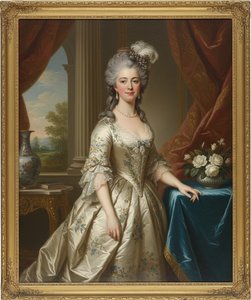
- Портретний живопис: Він став затребуваним хроністом свого часу, зафіксувавши харизму легендарних акторів, таких як Девід Гаррік, та аристократичну елегантність таких постатей, як доктор Чарльз Чонсі.
- Декоративні замовлення: Його робота для садів Воксхолл продемонструвала його вміння вести масштабну розповідь, де мистецтво використовувалося для посилення сенсорного досвіду відпочинку та радості публіки.
- Біблійні та міфологічні теми: Через такі твори, як Добрий самарянин, Хайман використовував чутливість рококо для дослідження глибоких тем співчуття, милосердя та божественного втручання.
Зрештою, життя Франсіса Хаймана було свідченням сили візуального оповідання. Поєднавши театральність сцени з витонченою елегантністю рококо, він створив спадок, який залишається живим вікном в епоху Просвітництва. Його слід зберігається не лише на полотнах, що носять його ім'я, а й у самій структурі історії британського мистецтва, що визначає його як справжнього піонера, який допоміг підняти статус художника від ремісника до академічного майстра.
Питання та відповіді
Як мені знайти роботи Френсіс Хейман за певною темою?
Роботи Френсіс Хейман можна переглянути за ключовими словами на сторінці митця За ключовими словами. Кожне ключове слово об'єднує відповідні витвори мистецтва.
Де я можу побачити роботи Френсіс Хейман у 3D-галереї?
Твори Френсіс Хейман можна побачити в 3D-галереї на сторінці митця 3D-музей.
Чи є повний список творів Френсіс Хейман?
З усіма роботами Френсіс Хейман на цей сайт можна ознайомитися на сторінці Усі роботи митця митця.