Портрет Артур Лісмер

100 найвідоміших картин Артур Лісмер, кожна з яких є унікальною

Оновлено Листопад 2026 · за рейтингом нашої популярності (кількість пошукових запитів, переглядів та замовлень для кожної роботи) · 238 робіт Артур Лісмер у нашому каталозі

Коротко кажучи

Lake Superior Country (1927) — це картина Артур Лісмер, яка привертає найбільше уваги; оригінал зберігається в Національна галерея Канади, Оттава. Після цього погляд переходить на The Campers (1915) та The Banks of the Don (1912). Серед 238 робіт Артур Лісмер у нашому каталозі ці 100 є найвідомішими: кожна з них — унікальний оригінал із зазначенням року створення, музею та причини її безсмертя.

1885 – 1969, Шеффилд Impressionism Найбільше робіт: Національна галерея Канади

Топ-10 картин Артур Лісмер крізь призму галереї

1
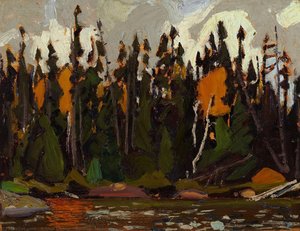
Lake Superior Country (1927) авторства Артур Лісмер

Lake Superior Country

1927 · Black and White Photography · Національна галерея Канади, Оттава

This work captures a specific, documentary essence of early 20th-century life. It is a visual record of agricultural architecture and the physical effort required to tame a landscape. The handwritten text at the edges of the frame reminds the viewer that this is an archival fragment, a piece of history caught in a still, silent moment. There is a sense of stillness here, as if the workers have only just…

Знамениті картини Артур Лісмер, з 11 по 100

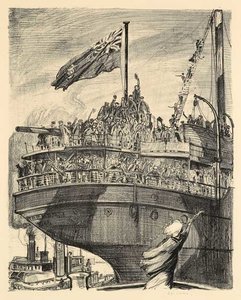
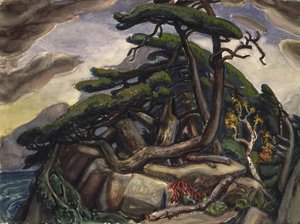
11Fishing Village, New Brunswick (1929) авторства Артур ЛісмерFishing Village, New Brunswick1929 · Національна галерея Канади 12Mochudi, Bechuana Village (1936) авторства Артур ЛісмерMochudi, Bechuana Village1936 · Національна галерея Канади 13Sunset (1914) авторства Артур ЛісмерSunset1914 · Національна галерея Канади 14Landscape Rhythm авторства Артур ЛісмерLandscape Rhythm 15Olympic with Returned Soldiers (1919) авторства Артур ЛісмерOlympic with Returned Soldiers1919 · Canadian War Museum 16Spruce, Algoma (1922) авторства Артур ЛісмерSpruce, Algoma1922 · The Robert McLaughlin Gallery 17Hmcs Grilse On Convoy Duty авторства Артур ЛісмерHmcs Grilse On Convoy Duty 18Portrait Of Horatio Walker авторства Артур ЛісмерPortrait Of Horatio Walker 19Portrait Of Frederick Challener авторства Артур ЛісмерPortrait Of Frederick Challener 20Portrait Of Sir Wyly Grier авторства Артур ЛісмерPortrait Of Sir Wyly Grier 21The Picnic авторства Артур ЛісмерThe Picnic 22Study Of A Head With Hat авторства Артур ЛісмерStudy Of A Head With Hat 23Man Smoking A Pipe авторства Артур ЛісмерMan Smoking A Pipe 24Study Of Two Heads авторства Артур ЛісмерStudy Of Two Heads 25Sketch Of A Boy's Head авторства Артур ЛісмерSketch Of A Boy's Head 26Sirs To You авторства Артур ЛісмерSirs To You 27Harbour Defence авторства Артур ЛісмерHarbour Defence 28Home Again авторства Артур ЛісмерHome Again 29Departure Of A Troopship авторства Артур ЛісмерDeparture Of A Troopship 30Swamp авторства Артур ЛісмерSwamp 31Nova Scotia Fishing Village авторства Артур ЛісмерNova Scotia Fishing Village 32Laocoon авторства Артур ЛісмерLaocoon 33The Picnic (1915) авторства Артур ЛісмерThe Picnic1915 · Національна галерея Канади 34The "Skinny-Dip" (1915) авторства Артур ЛісмерThe "Skinny-Dip"1915 · Національна галерея Канади 35The Fishermen (1915) авторства Артур ЛісмерThe Fishermen1915 · Національна галерея Канади 36The Sea Gulls (1915) авторства Артур ЛісмерThe Sea Gulls1915 · Національна галерея Канади 37The Ducks (1915) авторства Артур ЛісмерThe Ducks1915 · Національна галерея Канади 38A Westerly Gale, Georgian Bay (1916) авторства Артур ЛісмерA Westerly Gale, Georgian Bay1916 · Національна галерея Канади 39Study for "Road through the Bush" (1914) авторства Артур ЛісмерStudy for "Road through the Bush"1914 · Національна галерея Канади 40Lake (1914) авторства Артур ЛісмерLake1914 · Національна галерея Канади 41Shore with Birches (1914) авторства Артур ЛісмерShore with Birches1914 · Національна галерея Канади 42Island with Pine (1914) авторства Артур ЛісмерIsland with Pine1914 · Національна галерея Канади 43Study for "The Guide's Home, Algonquin" (1914) авторства Артур ЛісмерStudy for "The Guide's Home, Algonquin"1914 · Національна галерея Канади 44Wood Interior, Algonquin Park (1914) авторства Артур ЛісмерWood Interior, Algonquin Park1914 · Національна галерея Канади 45Georgian Bay (1913) авторства Артур ЛісмерGeorgian Bay1913 · Національна галерея Канади 46Georgian Bay (1915) авторства Артур ЛісмерGeorgian Bay1915 · Національна галерея Канади 47Minesweepers, Halifax (1919) авторства Артур ЛісмерMinesweepers, Halifax1919 · Canadian War Museum 48Convoy in Bedford Basin (1919) авторства Артур ЛісмерConvoy in Bedford Basin1919 · Canadian War Museum 49The Little Pool, Algoma (1921) авторства Артур ЛісмерThe Little Pool, Algoma1921 · Національна галерея Канади 50Spruce, Sand Lake, Algoma (1922) авторства Артур ЛісмерSpruce, Sand Lake, Algoma1922 · Національна галерея Канади 51Shoreline, Georgian Bay (1920) авторства Артур ЛісмерShoreline, Georgian Bay1920 · Національна галерея Канади 52Olympic with Returned Soldiers (1919) авторства Артур ЛісмерOlympic with Returned Soldiers1919 · Canadian War Museum 53Island (1926) авторства Артур ЛісмерIsland1926 · Національна галерея Канади 54The Mill, Quebec (1925) авторства Артур ЛісмерThe Mill, Quebec1925 · Національна галерея Канади 55Quebec Uplands (1926) авторства Артур ЛісмерQuebec Uplands1926 · Національна галерея Канади 56Quebec Village (Saint-Hilarion) (1925) авторства Артур ЛісмерQuebec Village (Saint-Hilarion)1925 · Національна галерея Канади 57Habitant Farm (1926) авторства Артур ЛісмерHabitant Farm1926 · Національна галерея Канади 58October on the North Shore, Lake Superior (1927) авторства Артур ЛісмерOctober on the North Shore, Lake Superior1927 · Національна галерея Канади 59Pic Island, Lake Superior (1927) авторства Артур ЛісмерPic Island, Lake Superior1927 · Національна галерея Канади 60Lilies and Apples (1931) авторства Артур ЛісмерLilies and Apples1931 · Національна галерея Канади 61Ash and Pine, Georgian Bay (1933) авторства Артур ЛісмерAsh and Pine, Georgian Bay1933 · Національна галерея Канади 62Pine Wrack (1933) авторства Артур ЛісмерPine Wrack1933 · Національна галерея Канади 63Nova Scotia Fishing Village (1930) авторства Артур ЛісмерNova Scotia Fishing Village1930 · Національна галерея Канади 64Quiet Cove, McGregor Bay (1935) авторства Артур ЛісмерQuiet Cove, McGregor Bay1935 · Національна галерея Канади 65Evening Silhouette (1926) авторства Артур ЛісмерEvening Silhouette1926 · McMichael Canadian Art Collection 66Undergrowth (1946) авторства Артур ЛісмерUndergrowth1946 · Національна галерея Канади 67Rock (1947) авторства Артур ЛісмерRock1947 · Національна галерея Канади 68Floats and Buoys, Neil's Harbour (1946) авторства Артур ЛісмерFloats and Buoys, Neil's Harbour1946 · Національна галерея Канади 69Docks at Ingonish (1945) авторства Артур ЛісмерDocks at Ingonish1945 · Національна галерея Канади 70Nature morte (1956) авторства Артур ЛісмерNature morte1956 · Musée national des beaux-arts du Québec 71Sketch for Minesweepers and Seaplanes (1919) авторства Артур ЛісмерSketch for Minesweepers and Seaplanes1919 · Canadian War Museum 72Pine Wrack (1939) авторства Артур ЛісмерPine Wrack1939 · McMichael Canadian Art Collection 73Canadian Jungle (1946) авторства Артур ЛісмерCanadian Jungle1946 · McMichael Canadian Art Collection 74Stormy weather, georgian bay авторства Артур ЛісмерStormy weather, georgian bay 75Georgian Bay Shoreline авторства Артур ЛісмерGeorgian Bay ShorelineНаціональна галерея Канади 76Hillside авторства Артур ЛісмерHillsideНаціональна галерея Канади 77Little Lake (II) авторства Артур ЛісмерLittle Lake (II)Національна галерея Канади 78Little Lake (I) авторства Артур ЛісмерLittle Lake (I)Національна галерея Канади 79The Little Drifter And The Big Freighter авторства Артур ЛісмерThe Little Drifter And The Big Freighter 80The Sea Gulls авторства Артур ЛісмерThe Sea Gulls 81The Ducks авторства Артур ЛісмерThe Ducks 82The Campers авторства Артур ЛісмерThe Campers 83The Fishermen авторства Артур ЛісмерThe Fishermen 84Young Boy авторства Артур ЛісмерYoung Boy 85Tree Stump авторства Артур ЛісмерTree Stump 86Tree Study авторства Артур ЛісмерTree Study 87Seagull авторства Артур ЛісмерSeagull 88Sketchbook авторства Артур ЛісмерSketchbook 89Seated Man авторства Артур ЛісмерSeated Man 90Robert Hubbard And Kathleen Fenwick авторства Артур ЛісмерRobert Hubbard And Kathleen Fenwick 91Indian Summer авторства Артур ЛісмерIndian Summer 92The Transport, Halifax авторства Артур ЛісмерThe Transport, Halifax 93Standing Woman авторства Артур ЛісмерStanding Woman 94Shack авторства Артур ЛісмерShack 95Merrill Denison Interviews E.W.G авторства Артур ЛісмерMerrill Denison Interviews E.W.G 96Island Of Spruce авторства Артур ЛісмерIsland Of Spruce 97Dead Spruce авторства Артур ЛісмерDead Spruce 98Woman With A Bonnet авторства Артур ЛісмерWoman With A Bonnet 99The Banks Of The Don авторства Артур ЛісмерThe Banks Of The Don 100Skinny-dip авторства Артур ЛісмерSkinny-dip

Знамениті картини Артур Лісмер за періодами творчості

Early 20th Century

3 робіт у цьому списку

Теми, що привертали увагу Артур Лісмер

Чотири сюжети, які найчастіше зустрічаються в цих оригіналах, кожен із найкращим прикладом.

Музеї, у яких зберігаються оригінали Артур Лісмер

5 музеїв, у яких зберігається найбільша кількість картин із цього списку.

Музей Місто Твори Артур Лісмер Картини зі цього списку
Національна галерея Канади, ОттаваНаціональна галерея Канади Оттава 50 Lake Superior Country, The Campers, The Banks of the Don
Canadian War Museum, OttawaCanadian War Museum Ottawa 5 Olympic with Returned Soldiers, Minesweepers, Halifax, Convoy in Bedford Basin
McMichael Canadian Art Collection, ВонMcMichael Canadian Art Collection Вон 3 Evening Silhouette, Pine Wrack, Canadian Jungle
The Robert McLaughlin Gallery, OshawaThe Robert McLaughlin Gallery Oshawa 1 Spruce, Algoma
Musée national des beaux-arts du Québec, КвебекMusée national des beaux-arts du Québec Квебек 1 Nature morte

Артур Лісмер крізь десятиліття: одна унікальна оригінальна робота для кожного

Роботи за десятиліттями

Оберіть десятиліття, щоб побачити оригінальний твір, який його визначає.

Картини Артур Лісмер: запитання до галереї

Яка найвідоміша робота Артур Лісмер?Дізнатися відповідь

Lake Superior Country (1927), Національна галерея Канади, Оттава. Далі йдуть The Campers (1915) та The Banks of the Don (1912).

У якому віці Артур Лісмер створив(ла) Lake Superior Country?Дізнатися відповідь

42 років: Lake Superior Country датована 1927 роком, а Артур Лісмер народився(-лася) у 1885.

Які десять найвідоміших картин Артур Лісмер?Дізнатися відповідь

Lake Superior Country, The Campers, The Banks of the Don, Swamp, Georgian Bay, Spring, A September Gale, Georgian Bay, Bon Echo, Algoma, A September Gale, Georgian Bay та Rain in the North Country. У рейтингу вище вказано рік створення та музей для кожної картини.

Скільки відомих робіт належить Артур Лісмер?Дізнатися відповідь

Наш каталог містить 238 робіт Артур Лісмер, датованих періодом з 1912 по 1956.

Де можна побачити найвідоміші оригінали Артур Лісмер?Дізнатися відповідь

Переважно в Національна галерея Канади (Оттава), Canadian War Museum (Ottawa) та McMichael Canadian Art Collection (Вон). У таблиці музеїв вище наведено їхній повний перелік.

У який період Артур Лісмер створив свої найвідоміші картини?Дізнатися відповідь

У 1910s: 24 із 100 робіт на цій сторінці були створені тоді, серед них The Campers.

Яка з найвідоміших картин Артур Лісмер була написана найраніше, а яка — найпізніше?Дізнатися відповідь

На цій сторінці найдавніша робота датована The Banks of the Don (1912), а найновіша — Nature morte (1956).

Яким сюжетам віддавав перевагу Артур Лісмер?Дізнатися відповідь

Landscape (6), Canadian art (5) та Trees (4), у 100 роботах на цій сторінці.

Якими матеріалами найчастіше користувався Артур Лісмер?Дізнатися відповідь

Oil, для 3 із 100 робіт на цій сторінці.

До якого напряму належить творчість Артур Лісмер?Дізнатися відповідь

Impressionism, судячи з оригіналів на цій сторінці.

Які оригінальні роботи Артур Лісмер можна побачити в Національна галерея Канади?Дізнатися відповідь

Lake Superior Country, The Campers та The Banks of the Don: Національна галерея Канади, Оттава зберігає 50 робіт із цієї сторінки.

Артур Лісмер: портрет художника

A Life Forged in Steel and Painted in Light

Arthur Lismer’s story is a remarkable one – a transformation from the gritty, industrial landscape of Sheffield, England, to becoming a pivotal figure in shaping a distinctly Canadian artistic identity. Born in 1885, his early life was deeply intertwined with the realities of working-class existence, a world dominated by factories and smoke, yet within this environment, a profound yearning for the unspoiled beauty of nature began to take root. His apprenticeship at thirteen with a photo-engraving company wasn’t merely a trade; it was an immersion into the language of visual communication, honing skills that would later form the bedrock of his artistic explorations. Evening classes at the Sheffield School of Art provided formal training, nurturing a talent already blossoming through sketches and observations – even discreetly during Unitarian church services, much to his mother’s gentle disapproval. This early exposure wasn't simply about mastering technique; it was about *seeing*, truly *seeing* the world around him, a skill that would define his entire career. The decision to travel to Antwerp’s Academie Royale broadened his horizons exponentially, exposing him to European artistic currents like Barbizon and Post-Impressionism – influences that subtly shaped his evolving style.

From Halifax Harbor to the Group of Seven

The pivotal moment in Arthur Lismer's life arrived in 1911 when he made the courageous decision to immigrate to Canada. Settling in Toronto, he found employment at Grip Ltd., a prominent commercial art firm where fatefully, he encountered Tom Thomson – another artist destined for legendary status. However, his appointment as principal of the Victoria School of Art and Design in Halifax in 1916 revealed his deep commitment to education. He didn’t merely administer; he revitalized the school, expanding its curriculum and student body, believing passionately in fostering artistic talent within a new nation. The outbreak of World War I dramatically altered his path. Assigned as an official war artist, Lismer found himself captivated by the bustling Halifax harbor – a strategic port teeming with ships under siege. It was here that he developed a unique series of paintings depicting vessels adorned with *dazzle camouflage* – a revolutionary technique designed to confuse enemy submarines through bold patterns and disruptive coloration. These weren’t simply technical exercises; they were striking visual statements, demonstrating his ability to adapt artistic principles to the urgent needs of wartime, earning him recognition from Lord Beaverbrook. Upon returning to Toronto in 1919, Lismer became vice-president of the Ontario College of Art and actively collaborated with a group of artists who shared a vision: to create an art that was uniquely Canadian – a voice distinct from European traditions. This collective would soon become known as the Group of Seven.

A Distinctly Canadian Vision

Lismer’s artistic development wasn't static; it was a continuous evolution, profoundly influenced by his European training and shaped by the vastness and raw beauty of the Canadian landscape. Initially embracing Post-Impressionist techniques, he gradually moved towards a more expressive and personal style. His landscapes weren’t merely representations of scenery; they were attempts to capture the *essence* of Canada – its emotional resonance, its untamed spirit. Vibrant colors, dynamic compositions, and bold brushstrokes became hallmarks of his work. He sought not just to depict what he saw but to convey how it felt to be immersed in the wilderness, to experience the power and majesty of nature firsthand. His paintings often featured flattened perspectives and expressive textures, reflecting a desire to move beyond mere imitation and towards a more subjective interpretation of reality. The Group of Seven’s collective goal was ambitious: to forge an artistic identity independent from European traditions, one rooted in the unique character of the Canadian environment. Lismer played a crucial role in this endeavor, contributing not only his artistic talent but also his unwavering dedication to their shared vision.

Key Elements of His Style and Techniques

Lismer’s paintings are characterized by several distinctive elements:
  • Vibrant Color Palettes: He employed bold, expressive colors – often rich reds, deep blues, and earthy greens – to capture the emotional impact of landscapes.
  • Dynamic Compositions: His compositions were frequently dynamic, utilizing strong lines and angles to create a sense of movement and energy.
  • Expressive Brushwork: Lismer’s paintings are marked by visible brushstrokes that convey texture and emotion; he wasn't afraid to let the physicality of his paint be evident.
  • Dazzle Camouflage Paintings: His wartime series showcased a remarkable ability to adapt artistic principles, creating visually arresting depictions of ships using innovative patterns and colors designed for disruption.
  • Focus on Canadian Wilderness: He consistently depicted scenes from the vast wilderness of Northern Ontario and Nova Scotia, capturing their rugged beauty and untamed spirit.

Recognition and Legacy

Arthur Lismer’s contributions extended far beyond his paintings. As an educator, he profoundly impacted generations of Canadian artists through his leadership at NSCAD University and the Ontario College of Art, instilling in them a passion for creativity and a commitment to artistic excellence. His work as a war artist remains historically significant, offering a unique visual record of World War I. In 1967, he was made a Companion of the Order of Canada – a testament to his lasting impact on Canadian culture. Today, Arthur Lismer is celebrated as one of Canada’s most important artists, recognized for his vibrant landscapes, innovative techniques, and unwavering dedication to fostering artistic talent. His works are held in major public and private collections across the country and internationally, continuing to inspire and captivate audiences with their beauty and emotional depth. His legacy isn't just about what he painted; it’s about how he inspired others to see the world – and Canada – in a new light.