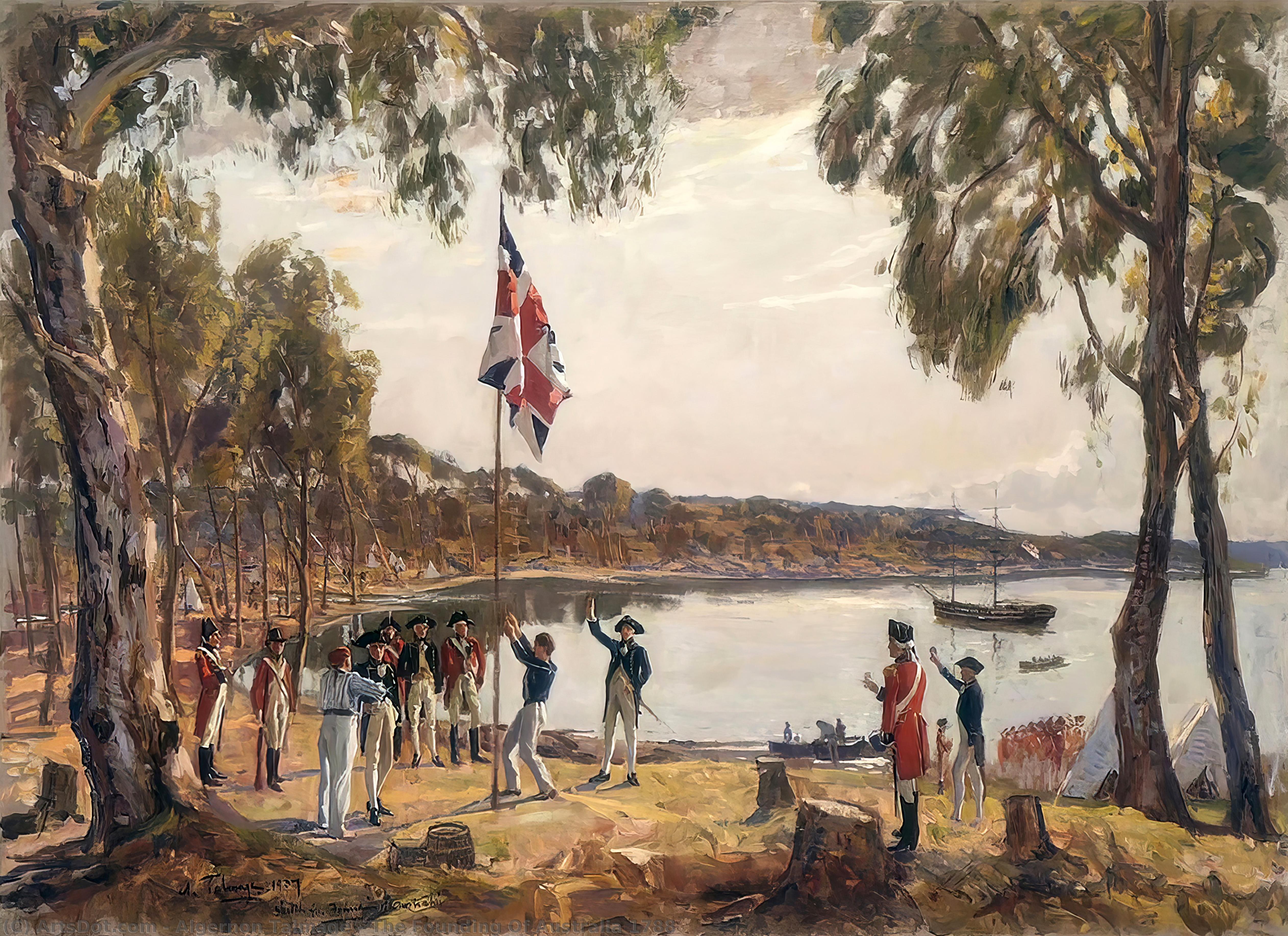
Алґернон Талмадж: портрет художника
Algernon Talmage (1871–1939): British Impressionist Painter of Landscapes & Animals, and Influential Mentor to Emily Carr
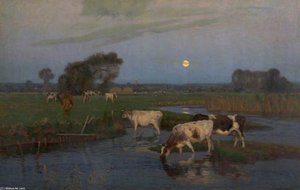
Algernon Mayow Talmage (1871–1939) was a British Impressionist painter who achieved considerable renown for his depictions of rural landscapes and animals—particularly horses—and played an important role in shaping the artistic vision of Emily Carr. His life story is one interwoven with resilience, marked by overcoming physical adversity while pursuing a lifelong passion for capturing the beauty of the natural world.
Early Life and Artistic Foundations
Born in Fifield, Oxfordshire, on February 23rd, 1871, Algernon Talmage’s formative years were profoundly impacted by an accident that resulted in permanent impairment to his right hand—a challenge he skillfully navigated through painting with his left. This deliberate adaptation instilled within him a heightened sensitivity to light and shadow, qualities that would become central to his distinctive artistic style. His familial heritage traced back to Cornish ancestry through his mother, Susan Penkivil, fostering a deep connection to the dramatic coastline of Cornwall – a region that served as an enduring inspiration for his artistic endeavors. Recognizing the value of formal training, Talmage enrolled at Hubert von Herkomer’s School of Art in Bushey, Hertfordshire, where he honed his skills in naturalistic techniques emphasizing direct observation and meticulous detail—skills he would later synthesize with the burgeoning Impressionist aesthetic. Alongside Lucy Kemp-Welch, he explored themes of rural life and animal portraiture, establishing a solid grounding in artistic principles that would inform his subsequent work.
The Cornish Influence: St Ives and Collaborative Spirit
A pivotal moment arrived when Talmage relocated to St Ives, Cornwall, around 1892—a decision that cemented his artistic trajectory and propelled him into the heart of the St Ives School movement. Drawn by the region’s breathtaking vistas, shifting light conditions, and raw natural beauty, he joined forces with fellow artists Julius Olsson and Adrian Stokes, establishing an Artists’ Club where experimentation and shared knowledge flourished. This collaborative environment nurtured Talmage's signature style—characterized by a delicate interplay of color and atmosphere—allowing him to capture not merely what the eye perceives but also how it *feels* to experience the world immersed in nature. His paintings from this period predominantly depict rural scenes featuring horses, rendered with remarkable precision and imbued with an ethereal quality. Talmage’s approach wasn't simply about representing subjects; it was about conveying emotion—a profound respect for the environment and a desire to communicate its splendor to viewers.
A Mentor’s Guidance: Shaping Emily Carr’s Vision
Talmage’s influence extended beyond his own artistic creations, reaching into the formative years of another celebrated artist—Emily Carr. Recognizing Carr's potential as a painter, Talmage took her under his wing during her studies at St Ives, offering invaluable counsel and encouragement. Notably, he imparted a crucial insight that would profoundly impact Carr’s artistic development: “There is sunlight in the shadows.” This simple yet powerful observation served as a catalyst for Carr’s exploration of forest landscapes—a stylistic choice that would ultimately define her distinctive oeuvre and solidify her place among Canada's most influential painters. Talmage’s dedication to fostering talent and nurturing artistic vision exemplifies his commitment to advancing the art world.
Recognition and Legacy: A Lasting Impression
Throughout his career, Algernon Talmage garnered considerable acclaim within the British art community—receiving medals at international exhibitions like the Pittsburgh International Exhibition and achieving success at the Paris Salon. He was elected an Associate of the Royal Academy in 1929 and subsequently ascended to Full Academician status in 1931—a testament to his enduring contribution to British artistic heritage. Talmage continued to exhibit prolifically, showcasing his work in prominent galleries across London and beyond, ensuring that his paintings would endure as symbols of Impressionist beauty and contemplative observation. He passed away peacefully on September 14th, 1939, leaving behind a body of art that continues to captivate audiences with its understated elegance and evocative portrayal of the Cornish landscape—a legacy cemented by his mentorship of Emily Carr and his unwavering devotion to capturing the essence of light and atmosphere.