Еволюція бельгійського майстра: Еваріст Карпентьє
У величній палітрі європейського мистецтва дев'ятнадцятого століття мало які нитки переплетені так складно, як нитки Еваріста Карпентьє. Народившись у 1845 році в тихому бельгійському містечку Корн-ле-Сен, Карпентьє присвятив своє життя та кар'єру тому, щоб стати мостом між двома кардинально різними світами: суворими, дисциплінованими структурами академізму та світлоподібною, спонтанною свободою імпресіонізму. Його шлях був не просто зміною стилів, а глибокою метаморфою бачення — переходом від ретельного дотримання традицій до емоційного захоплення світлом та атмосферою.
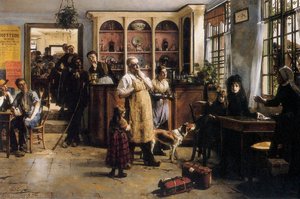
Перші роки Карпентьє пройшли під знаком суворої підготовки в Брюссельській École Supérieure des Beaux-Arts. У цей період становлення його мазок вирізнявся відданістю технічній точності та класичним стандартам Академії. Він опанував мистецтво жанрової сцени, створюючи роботи, надзвичайно деталізовані та насичені наративом. Ці ранні полотна часто зосереджувалися на тихій, повсякденній реальності бельгійського життя, переданій з точністю, що викликала повагу, але все ще залишалася в полоні формальних обмежень його освіти.
Трансформаційне зустріч зі світлом
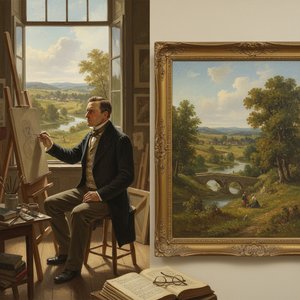
Траєкторія мистецтва Карпентьє зазнала сейсмічного зсуву у 1884 році, коли відбулася його зустріч із новаторськими роботами Жюля Бастьєн-Лепежа. Ця зустріч стала каталізатором, що розчинила межі його академічної підготовки та відкрила йому чарівність живопису plein air. Натхненний здатністю Бастьєн-Лепежа наповнювати натуралізм відчуттям атмосферної вітальності, Карпентьє почав виходити за межі студійних стін, шукаючи миттєві, ефемерні якості природного світу.
Ця новознайдена пристрасть привела його в дослідницьку подорож Францією, де він занурився в пейзажі навколо Сен-П'єр-ле-Немо та легендарного лісу Фонтенбло. Саме тут, серед плямистої сонячної світлотіні та мінливих тіней, його стиль справді розквітнув у те, що часто називають люмінізмом. Разом із сучасниками, такими як Франц Кортенс та Жозеф Кузманс, Карпентьє почав документувати тонкі нюанси світла, сприймаючи саму атмосферу як відчутний предмет мистецтва. Його подорожі до прибережних регіонів, таких як Ле-Трепорт і Сен-Мало, ще більше розширили його палітру, дозволивши експериментувати з відблисками морського світла та м'якими, туманними текстурами узбережжя.
Спадщина та художня значущість
Значущість Еваріста Карпентьє полягає в його здатності гармонізувати структурну цілісність своїх академічних коренів із сенсорними насолодами імпресіоністичного руху. Він не відмовився від наративної глибини своїх ранніх жанрових сцен; натомість він наповнив їх новою, живою енергією. Його роботи часто вловлюють відчуття тихої драми — моменти, зупинені в часі, де вага людського досвіду зустрічається з легкістю природного освітлення.
Сьогодні Карпентьє пам'ятають як ключову постать бельгійського авангарду, художника, який успішно здійснив перехід від старого світу до нового. Його внесок у розвиток натуралізму та люмінізму залишається свідченням його мужності як митця — людини, яка була готова покинути безпеку усталеної традиції, щоб наздогнати невловиме світло горизонту.