Переглянути в інтер'єрі
 Надіслати
 Поділитися
 Деталі
 Посібник

 Завантажити
 Схожі предмети колекціонування
 Рентгенівське дослідження
 Слайд-шоу
 Статистика переглядів
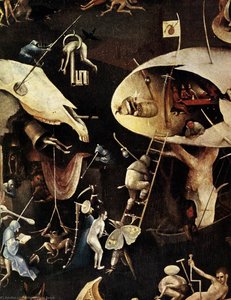
Сад земних задоволень (деталь)


 Читати далі
Олійная репродукція ручної роботи
Написана вручну олією на полотні у вашому розмірі та рамі, виготовлена на замовлення нашими художниками. ( Перейти до друку Перейти до цифрових зображень)




P118B $10

P118H $10

P118W $10

P438Z $10

P508JH $12

P508YH $12

P805H $10

P805Z $10

P919BZ $10

P919G $10

P919XJ $10

P959ZH $10

P968JZ $12

W106C $8

W218G $10

W218JH $8

W218Y $10

W307PJ $10

W316G $10

W316PJ $8

W316Y $10

W398PJ $8

W4111J $10

W500HY $15

W500JH $15

W692G $12

W849H $8

W940BG $15

W953PJ $8




Обирайте з наших стандартних розмірів, що відповідають оригінальним пропорціям твору мистецтва.

Ви можете вказати власні розміри, щоб репродукція ідеально підійшла до конкретної рами або інтер'єру. Якщо вибраний вами розмір не відповідає пропорціям оригіналу, ми або обріжемо полотно, або доповнимо картину додатковими елементами, промальованими вручну. Цифровий макет буде надіслано вам на затвердження перед початком виробництва.
Зверніть увагу, що попередній перегляд на екрані не відображає фактичне обрізання або розширення зображення. Тільки макет точно покаже остаточну композицію.
Хоча ми можемо виготовити виріб у нестандартному розмірі, для збереження оригінальних пропорцій рекомендуємо обирати варіанти зі встановленого списку.
Після оформлення замовлення команда OriginalUniqueArt.com зв'яжеться з клієнтом електронною поштою для отримання інструкцій та надасть попередній макет
Доставка по всьому світу () за 3–4 тижні замість стандартних 5 тижнів. (25 Вересень). Без жодних компромісів у якості.

Безкоштовна експрес-доставка по всьому світу

Високоякісне лляне полотно

Повне страхове покриття доставки

Гарантія повернення митних зборів

Гарантія точного відтворення кольорів

Політика повернення протягом 100 днів (лише у разі виявлення дефектів)

Гарантія повернення 100% коштів

Знижка на оптові замовлення
 Скляний варіант доступний лише для розмірів до 110 см

Сад земних задоволень (деталь)
Техніка репродукції
Розмір репродукції
-


Загальна вартість
$ 300
А Vision of Turmoil: Decoding Bosch’s Dramatic Scene
Цей захопливий фрагмент походить з більшого шедевра Гієронімуса Босха, пропонуючи зосереджений погляд у його унікальному, неспокійному та глибоко символічному світі. На відміну від зображення ідилічного задоволення, цей фрагмент представляє хаотичну та надзвичайно драматичну сцену – облогу або битву, що розгортається в нічний час. Це потужна демонстрація здатності Босха викликати як тілесне реакцію, так і інтелектуальну роздумування.Хронологічний контекст та стиль мистецтва
Створений близько 1515 року, у період пізнього Північного Ренесансу, цей твір є прикладом відхилення Босха від панівних художніх конвенцій. У той час, коли сусіди зосереджувалися на ідеалізованій красі, Бош заглибився в темніші аспекти людської природи та релігійних вірувань. Його стиль миттєво впізнаваний: поєднання ретельної деталізації, фантастичних образів та неприємної реальності, що передувало пізнішим рухам, таким як сюрреалізм. Він виділяється серед найоригінальніших і найбільш загадкових фігур в історії мистецтва, з’єднуючи між собою середньовісний символізм та інновації Ренесансу.Тема та символічна мова
Сцена зображує укріплене місто, що піддається нападу, сповнене фігур, які беруть участь у жорстокому бою. Полум’я вирує, освітлюючи ландшафт, вкритий уламками та натякаючим на руйнування. Це не просто зображення війни; це наповнено символічним значенням. Облога можна інтерпретувати як алегорію духовної битви між добром і злом або, можливо, як представлення боротьби людства проти гріха. Бош часто використовував такий символізм, запрошуючи глядачів розшифровувати приховані моральні уроки в своїх складних композиціях. Сама темрява говорить про невідоме та небезпеки, що лежать за межами людського розуміння.Техніка та матеріальність
Бош був майстром малювання маслом на дерев’яному плитку, дозволяючи досягти неймовірної деталізації та сяйва. Цей фрагмент демонструє його вміле використання фарб для створення глибини та текстури, особливо помітно у мерехтливих полум’ях і грубій поверхні укріплень. Драматичне використання *чіарускуро* – контрасту між світлом і тінями – посилює відчуття драматизму та підкреслює хаотичну енергію сцени. Його мазок точний, але виразний, що сприяє загальному відчуттю неспокою та інтенсивності.Емоційний вплив та врахування щодо дизайну інтер’єру
Цей фрагмент викликає потужну емоційну реакцію: страх, відчай та, можливо, навіть подивову вдячність перед масштабом руйнувань. Це не заспокійлива картинка, але її захопливість робить її вражаючим фокусом. Для дизайну інтер’єру ця репродукція підходить для просторів, які шукають дотику інтелектуальної цікавості та драматичного шарму. Її темна палітра поєднується з сучасними або готичними естетиками, додаючи глибини та складності будь-якій кімнаті. Варто поєднати її з нейтральними тонами, щоб дозволити картинці справді сяяти, або додати металевих акцентів, щоб відбити вогняні відблиски в сцені.Наслідування уяви
Власне володіння репродукцією цієї роботи – це не просто придбання красивої картини; це прийняття спадку художньої інновації та глибокого символізму. Це запрошення до роздумів про складність людського існування та невгасаючу силу творчої уяви Босха.- Художник: Гієронім Бош
- Рік народження: 1450
- Рік смерті: 1516
- Місто народження: Донецьк (Де-Бош)
- Країна народження: Нідерланди
- Біографія: Нідерландський загаджений персонаж: Життя та мистецтво Гієронімуса Босха
Біографія митця
A Netherlandish Enigma: The Life and Art of Hieronymus Bosch
Born around 1450 in the vibrant, bustling town of ’s-Hertogenbosch in the Netherlands—then part of Brabant—Hieronymus Bosch, originally Jheronimus van Aken, remains one of art history’s most compelling and mysterious figures. His world was steeped in late medieval religious fervor, folklore, and a growing sense of societal unease, all of which would profoundly shape his uniquely unsettling artistic vision. Coming from a family with a long tradition of painting—his grandfather, Jan van Aken, and father, Anthonius van Aken, were both artists—Bosch likely received his earliest training within the family workshop, absorbing the techniques and conventions of Netherlandish painting. However, even in his formative years, he began to diverge from established norms, hinting at the extraordinary imagination that would define his career. Biographical details are frustratingly scarce; records are fragmented, leaving much open to speculation and interpretation, adding to the aura of mystique surrounding both the man and his work. He married Aleyt Goyaerts van den Meerveen sometime before 1481, a union that provided him with some financial security through her family’s holdings, but little else is known about their personal life.Fantastical Visions and Symbolic Depths
Bosch's artistic style is instantly recognizable—a captivating blend of meticulous detail and wildly imaginative imagery. He primarily worked with oil on oak panels, demonstrating a masterful command of the medium, achieving luminous colors and intricate textures. While his early works show influences from traditional Netherlandish painting, particularly in their realism and attention to detail, he quickly moved beyond mere imitation, developing a profoundly original vision. His paintings are not simply representations of reality; they are allegorical landscapes populated by bizarre creatures, hybrid beings, and unsettling scenes that seem plucked from dreams—or nightmares. Religious themes form the core of much of his work, but these are rarely straightforward depictions of biblical stories. Instead, Bosch uses symbolism to explore complex moral and theological concepts, often focusing on the dangers of sin, the fragility of earthly pleasures, and the inevitability of divine judgment. His creatures—grotesque demons, fantastical animals, and strangely human figures—are not merely decorative elements; they are embodiments of vice, temptation, and spiritual corruption. The blending of the sacred and the profane, the beautiful and the grotesque, creates a uniquely unsettling effect that continues to captivate viewers centuries later.Masterpieces of Moral Allegory
Among Bosch’s most celebrated achievements is The Garden of Earthly Delights (c. 1490-1510), a triptych that remains one of the most enigmatic and debated works in art history. When opened, it presents a panoramic vision of paradise, earthly life, and hell—a complex allegorical representation of humanity’s fall from grace. The left panel depicts the Garden of Eden, teeming with fantastical creatures and lush vegetation; the central panel portrays a world consumed by sensual pleasure and unrestrained desire; and the right panel offers a terrifying glimpse into the torments of hell. The Triptych of the Last Judgement (c. 1480-1490) is another powerful example of his skill in portraying both heavenly bliss and infernal torment, while The Ascent of the Blessed (c. 1480-1490) demonstrates his ability to create ethereal and dreamlike scenes. Even smaller works like Epiphany (c. 1495) showcase his innovative use of oil on wood and complex symbolism, revealing a mind constantly grappling with profound questions about faith, morality, and the human condition.Influences and Artistic Techniques
Identifying Bosch’s direct influences is a challenging task, given the originality of his vision. Scholars suggest possible connections to medieval folklore, religious texts—particularly those emphasizing apocalyptic themes—and the prevailing anxieties of the time, including fears of heresy and social upheaval. However, it's clear that he synthesized these elements into something entirely new and uniquely his own. His use of oil paint allowed for incredible detail and luminosity, while his meticulous rendering of textures and patterns created a sense of both realism and unreality. Bosch’s compositions are often complex and layered, with multiple levels of meaning and symbolism. He frequently employed perspective techniques to create the illusion of depth and space, drawing viewers into his fantastical worlds. The recurring motifs in his work—such as animals, fruits, and musical instruments—carry symbolic weight, adding layers of interpretation to his narratives.Legacy and Enduring Influence
Bosch’s art continues to fascinate and provoke debate centuries after its creation. He is considered a pioneer of surrealism, anticipating many of the themes and techniques that would later be explored by artists such as Salvador Dalí and Max Ernst. His unsettling visions have resonated with audiences for generations, prompting questions about morality, faith, and the nature of human existence. The Prado Museum in Madrid houses some of his most famous works, attracting visitors from around the world who come to marvel at his extraordinary imagination and technical skill. Hieronymus Bosch remains a towering figure in art history—a master of symbolism, a visionary artist, and an enduring enigma whose work continues to challenge and inspire us today. His paintings offer valuable insights into the religious, social, and psychological climate of the late 15th and early 16th centuries, challenging conventional norms and paving the way for new forms of artistic expression.
Ієронім Босх
1450 - 1516 , Нідерланди
Довідкова інформація
- Artistic Movement Or Style: Сюрреалізм, Символізм
- Artists Or Movements Influenced By This Artist:
- Пітер Брюггель Старший
- Сюрреалізм
- Date Of Birth: c. 1450
- Date Of Death: 1516
- Full Name: Hieronymus Bosch
- Nationality: Нідерландський
- Notable Artworks:
- Сад земних задоволень
- Останній Суд
- Сім гріхів
- Place Of Birth: Делфт, Нідерланди
Схожі статті
Топ-25 шедеврів Єроніма Босха: мистецтво, символізм та декор для вашого дому
Відкрийте для себе 25 шедеврів Єроніма Босха! Дослідіть символізм, містику та унікальний стиль нідерландського живопису. Купуйте високоякісні репродукції картин онлайн на OriginalUniqueArt.com – декор стін з історією.
Cultivating Paradise: A Historical & Artistic Exploration of Gardens in Painting
Explore the rich history of gardens in painting! Discover masterpieces from Renaissance to Impressionism & beyond. Learn about symbolism, artists like Monet & Klimt, and find your perfect artwork at OriginalUniqueArt.

Топ-25 шедеврів Прадо: мистецтво, історія та натхнення для вашого дому
Відкрийте для себе 25 шедеврів музею Прадо! Історія Веласкеса, Гойї, Ель Греко та інших геніїв іспанського мистецтва. Бароко, репродукції картин високої якості для вашого дому на OriginalUniqueArt.com.

Golden Light & Dutch Skies: The Timeless Magic of Dutch Golden Age Landscapes
Discover the breathtaking beauty of Dutch Golden Age landscapes. Explore the mastery of light, chiaroscuro, and 17th-century realism through an expert art history lens, celebrating the enduring legacy of the Dutch Masters for discerning collectors and art lovers.
Hieronymus Bosch: Decoding the Visions of a Netherlandish Master
Explore the captivating world of Hieronymus Bosch! Delve into the symbolism, religious context, and artistic innovation of this Netherlandish master with OriginalUniqueArt's expert analysis. Discover his iconic paintings & lasting influence.