Переглянути в інтер'єрі
 Надіслати як листівку
 Поділитися
 Деталі витвору
 Посібник

 Завантажити
 Схожі екземпляри
 Рентгенівське дослідження
 Слайд-шоу
 Q&A
Q&A Статистика
Розбіщення

- 536.0 x 1224.0 cm


 Розгорнути текст
Гікле / Художній принт
Друк جيкле або на полотні музейної якості з оперативним виготовленням та різноманітними варіантами фінішної обробки. ( Замовити картину ручної роботи Перейти до цифрових зображень)




P118B ₴10

P118H ₴10

P118W ₴10

P438Z ₴10

P508JH ₴12

P508YH ₴12

P805H ₴10

P805Z ₴10

P919BZ ₴10

P919G ₴10

P919XJ ₴10

P959ZH ₴10

P968JZ ₴12

W106C ₴8

W218G ₴10

W218JH ₴8

W218Y ₴10

W307PJ ₴10

W316G ₴10

W316PJ ₴8

W316Y ₴10

W398PJ ₴8

W4111J ₴10

W500HY ₴15

W500JH ₴15

W692G ₴12

W849H ₴8

W940BG ₴15

W953PJ ₴8




Обирайте з наших стандартних розмірів, що відповідають оригінальним пропорціям твору мистецтва.

Введіть необхідну ширину та висоту, щоб принт ідеально підійшов до вашої рами або стіни. Принт можна лише обрізати, але не можна зробити більшим за оригінал, тому при зміні пропорцій частина зображення буде втрачена. Перед друком ми надсилаємо вам цифровий макет для затвердження. Зображення на цій сторінці не відображає реальну обрізку — її можна побачити лише на макеті.
Доставка по всьому світу () за 2 тижні замість стандартних 4/5 тижнів. (1 Листопад)

Безкоштовна експрес-доставка по всьому світу

Високоякісне лляне полотно

Повне страхове покриття доставки

Гарантія повернення митних зборів

Гарантія точного відтворення кольорів

Політика повернення протягом 100 днів (лише у разі виявлення дефектів)

Гарантія повернення 100% коштів

Пропозиція на оптові замовлення
 Скляний варіант доступний лише для розмірів до 110 см

Розбіщення
Гікле / Художній принт
Розмір репродукції
-


Підсумкова вартість
₴ 3596
Потужне зображення Розп’яття
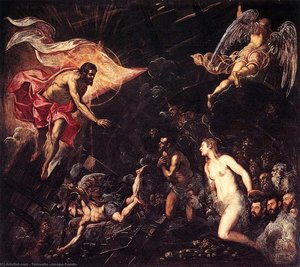
Цей монументальний шедевр захоплює глибокий момент розп’яття Христа вражаючим реалізмом та емоційною інтенсивністю. Сцена являє собою яскраву картину божественної жертви, де кожна постать і кожен жест передають глибоке духовне значення. Центральна постать Ісуса, освітлена сяючим світлом, втілює спокій серед страждань, запрошуючи глядача до миті споглядання та благоговіння. Його оточують скорботні, солдати та очевидці, кожен з яких прописаний з ретельною деталізацією та експресивною поставою, що створює переконливу розповідь, яка резонує крізь століття.Майстерний стиль та техніка
Створена у 1565 році, ця робота є взірцем майстерності венеціанського Ренесансу у використанні chiaroscuro — витонченої гри світла й тіні, що підсилює тривимірність фігур. Динамічний мазок художника та швидкість виконання принесли йому прізвисько «Il Furioso» (Розлючений), що відображає його енергійний стиль. Композиція є розлогою та драматичною, заповнюючи все полотно складним розташуванням постатей, які спрямовують погляд глядача до божественної фокальної точки. Використання олійних фарб дозволяє досягти тонких градацій тону, насичених текстур і сяючих відблисків, що посилюють емоційний вплив.Історичний та мистецький контекст
Написана в період розквіту венеціанського Ренесансу, ця картина відображає зосередженість епохи на релігійному запалі, людських емоціях та інноваційному використанні перспективи. Сміливий підхід Тінторетто до композиції та його здатність поєднувати реалізм із божественною величчю виділяють цей твір серед інших. Спочатку вона була створена для Scuola Grande di San Rocco, визначної венеціанської установи, присвяченої благодійності та релігійному служінню, що підкреслює її духовну значущість і роль у громаді. Величезний масштаб картини (536 x 1224 см) підкреслює її важливість як візуальної медитації на тему спасіння та божественної любові.Багатий символізм та емоційна глибина
Кожен елемент цього твору сповнений символічного змісту. Сяюча постать Христа уособлює божественну чистоту та жертовність, тоді як оточуючі фігури втілюють людський смуток, гнів і шану. Напис над Христом, разом із жестами та виразами облич, поглиблює наратив про спокуту. Взаємодія світла й тіні не лише підсилює реалізм, але й символізує контраст між божественним осяянням і людськими стражданнями. Велич і інтенсивність сцени викликають глибокий емоційний відгук, роблячи її потужним центром для роздумів та натхнення.Ідеально для колекціонування та інтер'єру
Ця високоякісна репродукція пропонує поціновувачам мистецтва, колекціонерам та дизайнерам інтер'єру виняткову можливість принести частинку духовного величі Ренесансу у свій простір. Її владна присутність та складні деталі роблять її захоплюючим фокусом у будь-якому середовищі — чи то галерея, вишукана вітальня або споглядальна каплиця. Узагальнені теми жертовності, надії та божественної любові, що звучать у цьому творі, є універсальними, забезпечуючи його актуальність і красу для наступних поколінь. Незалежно від того, чи виставлена вона як центральний елемент, чи як джерело натхнення, ця картина підносить будь-яке приміщення своєю глибокою майстерністю та емоційною глибиною.Питання та відповіді
Який колір домінує в композиції «Розбіщення» роботи Тінторетто?
Найбільш виразним кольором у творі «Розбіщення» є Фталовий зелений (#292018). Домінантний колір допомагає підібрати витвір мистецтва до інтер'єру.
Скільки років було Тінторетто, коли створювався твір "Розбіщення" у 1565 році?
Коли у 1565 році було створено «Розбіщення», художнику Тінторетто (народився/лася у 1518) було 47 років.
Який загальний настрій передає «Розбіщення» роботи Тінторетто?
Загальний настрій «Розбіщення» роботи Тінторетто — Драматизм. Цей настрій передає загальну атмосферу твору.
Біографія митця
A Venetian Master of Drama and Light
Jacopo Tintoretto, born Jacopo Robusti in Venice around 1518, remains one of the most compelling and enigmatic figures of the High Renaissance and early Baroque periods. His very nickname, “Tintoretto” – little dyer – speaks to his family’s trade, yet it belies the immense artistry that would distinguish him from all others. Unlike many artists who benefited from structured apprenticeships, Tintoretto's path was largely self-directed, fueled by an insatiable curiosity and a relentless drive for innovation. While accounts suggest a brief and unsuccessful stint under Titian, the acknowledged master of Venetian colorism, it seems the experience proved more contentious than formative. Titian’s alleged dismissal of the young Jacopo – whether due to jealousy or artistic disagreement – spurred Tintoretto toward an independent course, one characterized by audacious experimentation and a uniquely dynamic style. He immersed himself in anatomical study, reportedly through dissection, and honed his skills by meticulously copying classical sculpture and the works of other masters. This dedication laid the foundation for a career that would redefine Venetian painting.Forging a Distinctive Style: *Il Furioso*
Tintoretto’s artistic development was marked by an almost feverish energy, earning him another evocative nickname: *Il Furioso* – “the Furious One.” This moniker wasn't merely descriptive of his working pace but also captured the intensity and emotional charge that permeated his canvases. His early works already hinted at a departure from traditional Venetian conventions. While acknowledging Titian’s influence in color, Tintoretto gravitated towards Michelangelo’s powerful figures and dramatic compositions. He synthesized these influences into something entirely new: a style characterized by elongated forms, swirling draperies, and an innovative use of perspective that often created a sense of dizzying depth and movement. He abandoned the meticulous finish favored by his contemporaries, opting instead for a rapid, almost sketch-like brushstroke that conveyed immediacy and raw emotion. This technique, combined with his masterful manipulation of light and shadow – *chiaroscuro* – allowed him to create scenes of unparalleled drama and psychological intensity. He wasn’t simply depicting events; he was conveying their emotional core. His compositions were often asymmetrical and dynamic, filled with movement and a sense of urgency, reflecting the turbulent spirit of his time.Monumental Achievements: San Rocco and Beyond
Tintoretto's prodigious output spanned decades, encompassing religious narratives, historical allegories, and portraits. However, his most significant achievement lies in the cycle of paintings he created for the Scuola Grande di San Rocco, a Venetian confraternity dedicated to Saint Roch. Over a period of more than fifty years, Tintoretto adorned the Scuola’s halls with over sixty canvases, transforming it into a breathtaking visual testament to faith and human experience. Works like “The Last Supper,” completed late in his life, demonstrate his continued experimentation with perspective and composition. Departing from traditional depictions, Tintoretto placed the scene in a dramatically lit, architecturally unstable space, emphasizing the emotional turmoil of Christ’s final meal with his disciples. Other notable works include “The Miracle of Saint Mark Freeing the Slave,” a powerful display of dynamic composition and foreshortening, and numerous paintings for Venetian churches and palaces that showcase his mastery of scale and narrative storytelling. These monumental projects cemented Tintoretto's reputation as one of Venice’s most important artists.Influences and Artistic Connections
Tintoretto’s artistic journey was shaped by a complex interplay of influences. While Titian undoubtedly provided an initial foundation in color and technique, it was Michelangelo who profoundly impacted his approach to composition and figure design. The dynamism and emotional intensity of the Renaissance master resonated deeply with Tintoretto, inspiring him to create works characterized by dramatic gestures, powerful musculature, and a sense of overwhelming energy. He also studied classical sculpture extensively, absorbing its principles of form and proportion. Furthermore, he was influenced by the work of Venetian artists such as Paolo Veronese, whose opulent style provided a contrast to Tintoretto’s more raw and expressive approach. It's important to note that Tintoretto maintained a complex relationship with his peers, often engaging in spirited debates about artistic merit and technique.Legacy and Historical Significance
Jacopo Tintoretto died in Venice in 1594, leaving behind a vast and influential body of work. He bridged the gap between the High Renaissance and the Baroque period, anticipating many of the stylistic innovations that would define the latter. His dramatic compositions, expressive brushwork, and innovative use of light and shadow profoundly influenced artists such as Caravaggio, Rembrandt, and Delacroix. He wasn’t merely a painter; he was a visual storyteller who understood how to harness the power of art to evoke emotion and inspire awe. As one of the three great Venetian painters of the 16th century – alongside Titian and Paolo Veronese – Tintoretto played a crucial role in shaping the artistic landscape of Venice during its golden age. His work reflects not only the religious fervor and political tensions of his time but also a uniquely personal vision that continues to resonate with audiences today, solidifying his place as one of history’s most important and captivating artists. His legacy is a testament to the enduring power of artistic innovation and the transformative potential of human creativity.
Тінторетто
1518 - 1594 , Італія
Короткі факти
- Artistic Movement Or Style: Ренесанс, Манієризм
- Artists Or Movements Influenced By This Artist: ['Карвавьо, Барокові майстри']
- Artists Who Influenced This Artist:
- Тіціан
- Мікеланджело
- Date Of Birth: 1518
- Date Of Death: 1594
- Full Name: Jacopo Robusti
- Nationality: Італійський
- Notable Artworks:
- Дивовання святого Марка
- Останній спас
- Входження Богородиці
- Place Of Birth: Венеція, Італія
Пов'язані статті

Jacopo Palma il Giovane: A Venetian Master's Poetic Evolution
Explore the captivating world of Jacopo Palma il Giovane, a pivotal Venetian Renaissance master. Discover his unique style, influenced by Titian & Tintoretto, and learn about key works perfect for discerning collectors.

The Enduring Legacy of Oil on Canvas: Technique, History & Aesthetic Impact
Explore the rich history & techniques of oil painting – from Renaissance masters to Impressionism. Discover pigments, layering methods, and why this timeless medium endures. Expert insights for artists & art enthusiasts.

Якопо Тінторетто: 25 шедеврів венесенського майстра | OriginalUniqueArt
Відкрийте 25 захопливих шедеврів Якопо Тінторетто! Венесенський ренесанс, бароко, емоційні композиції та світлотінь. Купуйте високоякісні репродукції картин на OriginalUniqueArt.com – мистецтво для вашого дому.

The Enduring Power of Painting: A Historical & Contemporary Exploration of Form and Emotion
Explore the rich history & enduring techniques of oil painting with OriginalUniqueArt. Discover masterpieces, learn about art collecting, and find authentic handmade reproductions crafted by skilled artists.

The Golden Light of Innovation: Exploring the Venetian Renaissance Art Movement (1430–1580)
Explore the Golden Age of Venetian art (1430–1580). Discover Giorgione, Titian & Tintoretto's techniques, the 'colorito' revolution, and lasting influence. Expert insights for collectors & enthusiasts.