Переглянути в інтер'єрі
 Надіслати як листівку
 Поділитися
 Детальніше

 Завантажити
 Схожі експонати
 Рентгенівське дослідження
 Слайд-шоу
 Статистика
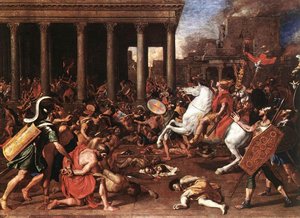
Смерть Германика
 Акрил на полотні
- Настінне мистецтво
- Baroque
 1627
1627- — Відродження
 148.0 x 198.0 cm
 Minneapolis Institute of Art
 Читати далі
Гікле / Художній принт
Музейна якість друку جيкле або на полотні з оперативним виготовленням та різноманітними варіантами фінішної обробки. ( Замовити репродукцію ручної роботи Перейти до цифрових зображень)




































Обирайте з наших стандартних розмірів, що відповідають оригінальним пропорціям твору мистецтва.

Ви можете вказати власні розміри, щоб репродукція ідеально підійшла до конкретної рами або інтер'єру. Якщо обраний вами розмір не відповідає пропорціям оригіналу, ми або обріжемо полотно, або розширимо зображення за допомогою дзеркального відображення чи суцільної заливки країв. Перед початком виробництва вам буде надіслано цифровий макет для затвердження.
Будь ласка, зверніть увагу, що попередній перегляд на екрані не відображає фактичне обрізання або розширення. Тільки макет точно покаже фінальну композицію.
Хоча можливість замовлення індивідуальних розмірів доступна, ми рекомендуємо обирати формат із попередньо визначеного списку, щоб зберегти оригінальні пропорції.
Доставка по всьому світу () за 2 тижні замість стандартних 4/5 тижнів. (13 Вересень)

Безкоштовна експрес-доставка по всьому світу

Високоякісне лляне полотно

Повне страхове покриття доставки

Гарантія відшкодування митних зборів

Гарантія точного відтворення кольорів

Політика повернення протягом 100 днів (тільки у разі виявлення дефектів)

Гарантія повернення 100% коштів

Пропозиція на оптові замовлення
 Скляний варіант доступний лише для розмірів до 110 см

Смерть Германика
Гікле / Художній принт
Розмір репродукції
-


Підсумкова вартість
$ 80
Нікола Пуссін і трагічна розповідь про смерть Германіка
Нікола Пуссін, один із найвидатніших французьких живописців Бароко епохи, створив шедевр під назвою «Смерть Германіка» у 1627 році. Це картина маслом на полотні розміром 148 х 198 см і зараз знаходиться в Музеї мистецтва Мініманії у місті Міннесота, США. Ця робота стала символом римської трагедії та втрати, а її майстерність вражає досі дослідників та колекціонерів по всьому світу.Історичний контекст
Картина зображує вирішальний момент римської історії: смерть Германіка – римського імператора, який загинув під сумнівними обставинами у 19 році н.е. Сцена захоплює атмосферу скорботи та печалі як різноманітні фігури збираються навколо його ліжка, оплакуючи його смертний час. Серед них щонайменше 13 осіб – чоловіків і жінок, деякі тримають зброю, зокрема мечі. Цей момент був обраний Пуссіном для передачі глибокого емоційного стану та історичної значущості події. Історичні джерела свідчать про те, що Германік був одним із найталановитіших римських полководців свого часу, але його життя обірвалося раптово й загадково.Мистецькі елементи
Пуссін у своїй роботі демонструє класичний стиль, який глибоко шанує античні римські традиції та культуру. Композиція ретельно розставлена для передачі емоційної ваги моменту. Сонце освітлює великий холст, створюючи драматичну атмосферу та підкреслюючи масштабність сцени. Художник використовував техніку масляної живопису, що дозволило йому досягти неймовірної деталізації та передати тонкі нюанси світла й тіні. Особливо вражаюча є увага до деталей – від виразів обличчя персонажів до текстури одягу та аксесуарів.Символізм
Мечі у картині символізують військову владу та силу Германіка під час його життя, але також вони служать метафорою смерті та кінця буття. Пуссін використовував класичні пропорції та композиційні рішення для створення ефектного візуального образу. Стримані вирази обличчя персонажів підкреслюють трагізм ситуації та викликають у глядача співчуття до загиблого імператора. Художник вдалося передати дух епохи Бароко, що характеризується великою драматичністю та емоційністю.Значення для історії мистецтва
«Смерть Германіка» є одним із найважливіших творів Пуссіна, який демонструє його здатність захоплювати історичні моменти з великою деталізацією та емоційною глибиною. Картина стала основою для багатьох пізніших робіт художника і визначила стиль класичної живопису у Франції XVII століття. Вона поруч із такими шедеврами як «Благородний акт Сципіона» та «Смерть Германіка – детальний план», які доступні для репродукції в OriginalUniqueArt, підтверджує статус Пуссіна одним із найвидатніших художників свого часу. Для тих хто прагне до глибшого розуміння мистецтва Бароко, OriginalUniqueArt пропонує широкий вибір високоякісних відтворень робіт інших визначних майстрів, таких як Конрад Зусенхофер та Фердинанд Бол. OriginalUniqueArt дарує можливість володіти частинкою мистецької історії через високоякісні відтворення робіт, що дозволяє принести в дім дух шедевра «Смерть Германіка».Біографія митця
Nicolas Poussin: A Life Steeped in Classical Reverie
Nicolas Poussin, a name synonymous with the grandeur of French Baroque painting, was nonetheless a soul deeply rooted in Italian soil for much of his artistic life. Born in Le Havre, Normandy, in June 1594, his early years remain somewhat veiled in mystery, yet they undoubtedly laid the foundation for a career that would become pivotal in shaping the classical tradition within French art. Though he briefly studied in Paris during the early 1610s, absorbing influences from lesser-known artists of the time, it was his journey to Rome in 1624 that truly ignited his artistic destiny. This wasn’t merely a geographical relocation; it was an immersion into the heart of antiquity, a pilgrimage to the very source of inspiration that would define his aesthetic vision. Poussin's initial forays into painting were marked by a sensuous quality reminiscent of Venetian masters like Titian, yet even in these early works, a nascent sense of order and intellectual rigor began to emerge—a foreshadowing of the style he would so masterfully refine.Early Artistic Development & Parisian Influences
Nicolas Poussin’s formative years were spent honing his craft in Le Havre, where he studied with Quentin Varin, a respected artist who instilled in him an appreciation for meticulous observation and skillful execution. His early paintings demonstrated a fascination with Venetian color palettes and techniques—a stylistic echo of the artistic fervor that characterized Venice at the time. However, even amidst this initial exuberance, Poussin’s burgeoning intellect recognized the limitations of purely decorative pursuits. He sought to elevate his art beyond mere visual spectacle, striving for a deeper engagement with philosophical concepts and historical narratives. His Parisian studies provided exposure to emerging trends in artistic thought, fostering connections with fellow artists who championed humanist ideals—a crucial step toward shaping his distinctive worldview.The Roman Years: Forging a Classical Ideal
Rome proved to be more than just a studio for Poussin; it became his intellectual crucible. He found himself amidst a vibrant circle of scholars, archaeologists, and fellow artists, notably Cassiano dal Pozzo, whose profound understanding of classical antiquity profoundly influenced the artist’s approach. Dal Pozzo's dedication to meticulously documenting ancient remains instilled in Poussin a deep respect for historical accuracy and a desire to imbue his paintings with a sense of timelessness. This period saw Poussin move away from the flamboyant exuberance of some of his contemporaries, instead embracing a style characterized by clarity, balance, and a deliberate emphasis on linear composition. He meticulously studied Raphael’s works, absorbing their harmonious arrangements and graceful forms—a formative experience that would shape his artistic sensibilities for decades to come. Simultaneously, he drew inspiration from ancient sculptures and literary sources like Ovid's *Metamorphoses*, recognizing the power of myth and allegory to convey profound truths about human existence.A Style Defined by Order & Harmony
Poussin’s distinctive style—a hallmark of French Classicism—was characterized by a remarkable restraint and precision. He eschewed dramatic gestures and emotional displays, favoring instead carefully constructed landscapes populated with idealized figures rendered in luminous colors. His compositions were governed by strict geometric principles—often employing pyramidal structures to convey stability and grandeur—reflecting the influence of Renaissance humanist thought. Unlike many Baroque painters who prioritized spectacle, Poussin sought to capture not merely what he saw but what he believed—a testament to his unwavering commitment to intellectual rigor and artistic integrity. His meticulous attention to detail—particularly in depicting drapery folds and architectural elements—demonstrated an unparalleled mastery of technique.Legacy & Influence: Shaping French Art
Despite spending the majority of his career abroad, Nicolas Poussin’s impact on French art was undeniable. He briefly returned to Paris in 1640 at the behest of Cardinal Richelieu, appointed as First Painter to the King—a position that afforded him considerable prestige and patronage but also imposed constraints upon his creative freedom. However, he soon retreated to Rome, where he continued to paint until his death in 1665—a final pilgrimage to the birthplace of Western art. His dedication to classical ideals served as a beacon for subsequent generations of French artists—influencing figures like Jacques-Louis David and Paul Cézanne who championed a similar aesthetic vision. Artists recognized Poussin’s profound understanding of humanist philosophy and his unwavering commitment to artistic excellence, securing his place as one of the most revered masters of French Baroque painting and establishing him as an enduring symbol of classical beauty and intellectual contemplation.
Нікола Пуссен
1594 - 1665 , Франція
Короткі факти
- Artistic Movement Or Style: Бароко, Класицизм
- Artists Or Movements Influenced By This Artist:
- Жак-Луї Давид
- П’єр Сезан
- Artists Who Influenced This Artist:
- Рафаель
- Тіціан
- Date Of Birth: 1594
- Date Of Death: 1665
- Full Name: Nicolas Poussin
- Nationality: Француз
- Notable Artworks:
- Зруйновання Єрусалимського Храму
- Веніс подає зброю Енейсу
- Хрещення Ісуса Христа
- Place Of Birth: Ле Havre, Франція
Пов'язані статті

Baroque Classicism: The Grandeur of Order and Drama in 17th-Century Art History
Explore the profound elegance of Baroque Classicism. Discover how 17th-century masters synthesized dramatic emotion with classical order through the lens of the Counter-Reformation and the works of legends like Carlo Maratta and Andrea Sacchi.

Барокова драма: мистецтво, що привносить велич у дім
Відкрийте для себе велич бароко! Дізнайтесь про історію стилю, особливості українського бароко та як створити розкішний інтер'єр. Ексклюзивні репродукції картин від .
Nicolas Poussin: Classicism, Allegory & Order in 17th-Century French Painting
Explore the life & work of Nicolas Poussin, a master of French Classicism. Discover his allegorical paintings, Roman influences, and enduring impact on art history. Expert analysis & insights.
Baroque Classicism: Reconciling Drama & Order in 17th-Century Art
Explore the captivating world of Baroque Classicism! Discover its history, key artists like Caravaggio & Rubens, and defining characteristics. Expert insights & high-quality reproductions at OriginalUniqueArt.
The Enduring Legacy of Classicism: Principles, Evolution & Influence in Western Art
Explore the enduring legacy of Classicism in Western art! Discover its historical context, key principles, iconic masterpieces & lasting influence. Learn about Renaissance and Neoclassical movements with OriginalUniqueArt.