
 Переглянути в інтер'єрі
 Надіслати як листівку
 Поділитися
 Деталі витвору
 Посібник

 Завантажити
 Схожі екземпляри
 Рентгенівське дослідження
 Слайд-шоу
 Питання та відповіді
 Статистика
Нюди в лісі

- 120.0 x 170.0 cm


 Розгорнути текст
Гікле / Художній принт
Друк جيкле або на полотні музейної якості з оперативним виготовленням та різноманітними варіантами фінішної обробки. ( Замовити картину ручної роботи Перейти до цифрових зображень)




P118B ₴10

P118H ₴10

P118W ₴10

P438Z ₴10

P508JH ₴12

P508YH ₴12

P805H ₴10

P805Z ₴10

P919BZ ₴10

P919G ₴10

P919XJ ₴10

P959ZH ₴10

P968JZ ₴12

W106C ₴8

W218G ₴10

W218JH ₴8

W218Y ₴10

W307PJ ₴10

W316G ₴10

W316PJ ₴8

W316Y ₴10

W398PJ ₴8

W4111J ₴10

W500HY ₴15

W500JH ₴15

W692G ₴12

W849H ₴8

W940BG ₴15

W953PJ ₴8




Обирайте з наших стандартних розмірів, що відповідають оригінальним пропорціям твору мистецтва.

Введіть необхідну ширину та висоту, щоб принт ідеально підійшов до вашої рами або стіни. Принт можна лише обрізати, але не можна зробити більшим за оригінал, тому при зміні пропорцій частина зображення буде втрачена. Перед друком ми надсилаємо вам цифровий макет для затвердження. Зображення на цій сторінці не відображає реальну обрізку — її можна побачити лише на макеті.
Доставка по всьому світу () за 2 тижні замість стандартних 4/5 тижнів. (4 Листопад)

Безкоштовна експрес-доставка по всьому світу

Високоякісне лляне полотно

Повне страхове покриття доставки

Гарантія повернення митних зборів

Гарантія точного відтворення кольорів

Політика повернення протягом 100 днів (лише у разі виявлення дефектів)

Гарантія повернення 100% коштів

Пропозиція на оптові замовлення
 Скляний варіант доступний лише для розмірів до 110 см

Нюди в лісі
Гікле / Художній принт
Розмір репродукції
-


Підсумкова вартість
₴ 3651
Революційне бачення: занурення в «Нюди в лісі» Леже
Картина Фернана Леже «Нюди в лісі» (1909-1910) є ключовим твором, що ознаменував вирішальний етап у розвитку кубізму. Це не просто зображення постатей серед дерев; це смілива деконструкція форми та перспективи, яка продовжує захоплювати глядачів понад сто років потому. Цей живопис присвячений не тому, *що* саме представлено, а тому, *як* це зроблено — радикальний підхід, який переосмислив сучасне мистецтво.
Сюжет та композиція: людство, переплетене з природою
Леже представляє фрагментовані людські форми, нерозривно пов'язані з органічними формами лісу. Композиція не прагне натуралістичного відтворення світу; натомість і постаті, і рослинність розбиті на геометричні об'єми — переважно циліндри, — що створює майже архітектурну структуру. Тіла не передані анатомічно, а постають як сукупність взаємопов'язаних фігур, які *натякають* на форму, замість того щоб чітко її визначати. Така фрагментація кидає виклик традиційній перспективі, запрошуючи око блукати складним візуальним гобеленом, де передній і задній плани тонко зливаються. Взаємодія між людською постаттю та природним світом не є гармонійною у звичному розумінні; це динамічна напруга, що відображає чутливість сучасної епохи.
Стиль та техніка: народження «тубізму»
«Нюди в лісі» є втіленням унікального внеску Леже в кубізм, який часто називають «тубізмом». Поділяючи спільні риси з аналітичним кубізмом Пікассо та Брака, Леже відходить від них, надаючи пріоритету циліндричним формам і сильному відчуттю тривимірності. Цей акцент на об'ємі — тих самих «трубах», що визначають його стиль, — передвіщає його подальші дослідження механістичних образів. Картина виконана олійними фарбами з майстерним контролем: накладання геометричних елементів створює глибину та текстуру. Стриманість палітри Леже, де домінують холодні сині, сірі та білі відтінки, ще більше підкреслює форму над кольором, надаючи твору споглядальної, майже монохромної атмосфери. Таке навмисне обмеження кольору зосереджує увагу на структурних інноваціях.
Історичний контекст: момент мистецького потрясіння
Створена в період інтенсивних мистецьких експериментів на початку XX століття, картина «Нюди в лісі» відображає революційний дух кубізму. Виникаючи як прямий виклик традиційному репрезентативному мистецтву, кубізм прагнув зображувати предмети з кількох точок зору одночасно. Робота Леже відіграла важливу роль у адаптації цих принципів та формуванні його власного художнього бачення всередині руху. Він експонувався поруч із такими ключовими постатями, як Жан Метценже та Анрі Ле Фоконньє, на значущих виставках Салону, допомагаючи представити кубізм широкій аудиторії. Його участь у таких групах, як група Пюто (Section d'Or), ще більше зміцнила його позицію провідного новатора.
Символізм та емоційний вплив: фрагментація та сучасність
«Нюди в лісі» не викликає миттєвих емоційних реакцій через відверту сентиментальність. Натомість вона стимулює інтелектуальну цікавість та візуальну інтригу. Нетрадиційна композиція кидає виклик очікуванням, вимагаючи від глядача активної взаємодії. Абстрактні фігури натякають на теми стосунків людства з природою, тоді як геометричні форми можна інтерпретувати як символічне представлення зростаючої механізації сучасного життя — теми, яку Леже досліджуватиме більш явно у своїх пізніших роботах. Зрештою, картина запрошує до роздумів про фрагментарну природу сприйняття та приховані структури, що формують наше розуміння реальності. Це твір, який винагороджує тривале споглядання, відкриваючи нові рівні складності при кожній зустрічі.
Експонування та поради для колекціонерів
- Оточення: Мінімалістичне середовище з нейтральними кольорами стін дозволить холодній палітрі та геометричним формам картини стати головним акцентом. Уникайте перевантажених фонів або конкуруючих творів мистецтва.
- Освітлення: Ідеальним є м'яке, дифузне світло. Різке пряме світло може приховати тонкі тональні варіації в композиції. Розгляньте можливість використання галерейного трекового освітлення з регульованими спотами.
- Доповнювальні експонати: Поєднуйте цей твір з іншими зразками раннього кубізму або абстрактного мистецтва того ж періоду, щоб створити цілісну та інтелектуально стимулюючу експозицію. Сучасні меблі з чистими лініями доповнять естетику картини.
- Висота: Підвішуйте роботу на рівні очей (приблизно 145-152 см від підлоги), щоб забезпечити комфортний перегляд та оцінку деталей. Враховуючи її розмір (120 x 170 см), виділіть достатньо простору на стіні для максимального ефекту.
«Нюди в лісі» — це більше ніж просто картина; це свідчення інноваційного духу Леже та його тривалого внеску в історію сучасного мистецтва. Вона залишається захоплюючим твором, що продовжує надихати митців і полонити аудиторію своїм унікальним поєднанням форми, кольору та інтелектуальної глибини — справді іконічний витвір для будь-якої вишуканої колекції.
Питання та відповіді
У якому році було створено "Нюди в лісі"?
«Нюди в лісі» датована 1910 роком. Ця дата дозволяє визначити місце твору в творчому шляху Леже та відповідну епоху.
Яка техніка була використана для створення «Нюди в лісі» роботи Леже?
Техніка виконання «Нюди в лісі» роботи Леже — Олія на полотні. Репродукції мають на меті відтворити вигляд цієї техніки.
Яке місце посідає «Нюди в лісі» у творчому шляху Леже?
«Нюди в лісі» належить до Mature Period творчого шляху Леже. Ця класифікація пов’язує твір із етапом становлення митця.
Біографія митця
A Life Forged in Form: The World of Fernand Léger
Fernand Léger, born Joseph Fernand Henri Léger in 1881 amidst the rural landscapes of Argentan, Normandy, stands as a pivotal figure in the evolution of modern art. His journey from the farmlands of his youth to the forefront of Parisian avant-garde circles is a testament to an unwavering artistic vision and a relentless pursuit of capturing the spirit of the machine age. Unlike many of his contemporaries who embraced abstraction as a retreat from representation, Léger sought to *integrate* modernity – its dynamism, its mechanical forms, its very essence – into a new visual language that was both powerfully abstract and deeply rooted in the observable world. His early life, steeped in the physicality of agricultural labor, provided a grounding contrast to the industrialized future he would so passionately depict. Initially destined for architecture, Léger’s path shifted towards painting after arriving in Paris around 1900, supporting himself through drafting work while honing his artistic skills. This period was marked by traditional academic training, but it wasn't until encountering the groundbreaking work of Paul Cézanne that a true transformation began to unfold.The Birth of ‘Tubism’ and the Section d’Or
Cézanne’s retrospective in 1907 acted as a catalyst, liberating Léger from conventional representation and propelling him towards a more geometric and structural approach. He began dismantling forms, analyzing their underlying structures, and rebuilding them on canvas with a newfound emphasis on solidity and volume. This exploration quickly led him into the orbit of Cubism, but Léger wasn’t content to simply replicate the styles of Picasso or Braque. Instead, he developed his own distinct idiom – a personal form of Cubism that critics playfully dubbed “Tubism.” Characterized by cylindrical forms, flattened planes, and bold color contrasts, Tubism celebrated the machine aesthetic long before it became a widespread artistic preoccupation. It was an art born from observing the burgeoning industrial world, recognizing beauty in its functional shapes and mechanical rhythms. Léger’s approach differed significantly; he retained a sense of volume and depth that many Cubists had sacrificed for pure abstraction. This wasn't merely about breaking down forms but about reconstructing them with a deliberate emphasis on their essential qualities. The movement was closely linked to the *Section d’Or* (The Golden Section), a group of artists who explored mathematical principles of harmony and proportion, seeking to infuse their art with a sense of order and rationality. Léger actively participated in this circle, alongside figures like Jean Metzinger and Marcel Duchamp, pushing the boundaries of artistic expression through experimentation with geometry and perspective. The *Section d’Or* aimed for a synthesis between art and science, believing that beauty could be found in the application of mathematical ratios to visual form.War, Mechanization, and a New Aesthetic
The outbreak of World War I profoundly impacted Léger’s life and work. Serving at the front from 1914 to 1916 exposed him to the brutal realities of modern warfare – artillery barrages, aerial combat, and the dehumanizing effects of mechanized conflict. This experience didn't lead to disillusionment or a rejection of modernity; rather, it solidified his fascination with machines and their power. Sketches made during his service documented the stark beauty of military technology, transforming instruments of destruction into subjects of artistic contemplation. The repetitive patterns of trenches, the gleaming metal of tanks, and the angular forms of aircraft became sources of inspiration for Léger’s evolving style. Upon returning to civilian life, Léger’s aesthetic underwent a further evolution. His paintings began to reflect a more streamlined, mechanistic sensibility, celebrating the dynamism and efficiency of the industrial world. *Soldier with a Pipe* (1916) exemplifies this shift, showcasing simplified forms and bold colors that evoke the feeling of mechanical precision. This wasn't merely an aesthetic choice; it was a philosophical statement – an affirmation of modernity’s potential for progress and renewal, even in the wake of devastating conflict. He began to incorporate elements of Futurism into his work, embracing speed, movement, and the energy of the machine age.The Development of Style and Major Works
Léger's style continued to evolve throughout the 1920s and beyond. He experimented with various techniques, including collage and sculpture, exploring new ways to represent form and space. His *Paysages animés* (Animated Landscapes) series from 1921 showcased figures and animals seamlessly integrated into streamlined compositions, blurring the boundaries between organic and inorganic forms. These works demonstrated his ability to synthesize disparate elements – human and machine, natural and artificial – into a cohesive visual narrative. Other notable works include *The Great Parade* (1923), which captures the energy of a bustling city street with its bold colors and simplified figures, and *Nudes in the Forest* (1915), an early example of his distinctive style that combined elements of Cubism and Surrealism. Léger’s artistic output was remarkably prolific, encompassing paintings, sculptures, theater designs, and even experimental films. He sought to create a total work of art, integrating visual and spatial elements to evoke a specific atmosphere or mood.Legacy and Lasting Influence
In his post-war years, Léger continued to explore the intersection of art and industry, creating works that celebrated modern life with a unique blend of abstraction and figuration. His later works, characterized by a focus on the heroic aspects of the ordinary individual, reflect his belief in art’s potential for social responsibility and collective benefit. Léger's influence on subsequent generations of artists is undeniable. His bold simplification of form, his embrace of industrial imagery, and his celebration of popular culture anticipated the emergence of Pop Art decades later. Artists like Roy Lichtenstein and Andy Warhol owe a clear debt to Léger’s pioneering work. He bridged the gap between abstract art and figurative representation, demonstrating that it was possible to create works that were both intellectually rigorous and visually engaging. Today, Fernand Léger’s paintings are held in major museums worldwide, including the Musée d'Art et d’Histoire in France and the Musée National Fernand Léger, dedicated solely to his work. He remains a towering figure of 20th-century art – a visionary who dared to find beauty in the machine age and to translate its energy onto canvas with unparalleled boldness and originality. His legacy is not merely as a painter, but as a prophet of modernity. A true pioneer whose work continues to resonate with audiences today.
Леже
1881 - 1955 , Франція
Короткі факти
- Artistic Movement Or Style: Кубізм, Тюбізм
- Artists Or Movements Influenced By This Artist: ['Поп-арт']
- Artists Who Influenced This Artist: ['Поль Сезанн']
- Date Of Birth: 4 квв 1881
- Date Of Death: 17 авг 1955
- Full Name: Fernand Léger
- Nationality: Француз
- Notable Artworks:
- «Сіджений жінка»
- Машинний елемент
- Великий парад
- Анімльовані пейзажі
- Place Of Birth: Арґантен, Франція
Пов'язані статті

Modern Geometry & Machine Age Beauty: A Collector's Guide to the Cubist Vision of Fernand Léger
Explore the profound geometric mastery of Fernand Léger. Discover how his 'Tubism' and Machine Age aesthetics redefined modern art, offering timeless inspiration for discerning collectors seeking to integrate Cubist dynamism into sophisticated contemporary interiors.
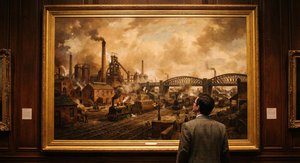
Індустріальний Естетизм: 10 Шедеврів Мистецтва, Що Відображають Еру Машин та Металу | OriginalUniqueArt
Відкрийте для себе 10 шедеврів мистецтва, що передають дух індустріальної епохи! Дізнайтесь історії Моне, Піссаро та інших художників. Репродукції картин в стилі лофт – ідеальний декор для вашого дому від OriginalUniqueArt.

Топ-25 шедеврів Фернана Леже: мистецтво машинного віку для вашого дому | OriginalUniqueArt
Відкрийте для себе 25 шедеврів Фернана Леже – піонера кубізму та тубізму! Історія мистецтва, кольори та форми машинного віку. Репродукції картин високої якості від OriginalUniqueArt.com. Дослідіть повну колекцію онлайн!

The Enduring Allure of the Nude: A Historical & Artistic Exploration of the Human Form
Explore the captivating history of nude art! Discover iconic paintings & artists from classical to modern eras. Uncover symbolism, techniques & find museum-quality reproductions at OriginalUniqueArt.

Modern Geometry & Machine Age Beauty: A Collector's Guide to the Cubist Vision of Fernand Léger
Explore the vibrant world of Fernand Léger. Discover how his 'Tubism' and Machine Age aesthetics redefined modern art, offering profound inspiration for discerning collectors seeking geometric beauty and industrial dynamism.


