Перейти до друку
 Розгорнути текст







































 Для творів мистецтва або репродукцій, розмір яких перевищує 105 см (приблизно 41 дюйм) з будь-якого боку, рама доставляється у вигляді розібраного комплекту. Такий метод гарантує безпечну доставку та запобігає пошкодженням під час транспортування.


Claude Monet’s Water Lilies: A Symphony of Light and Tranquility
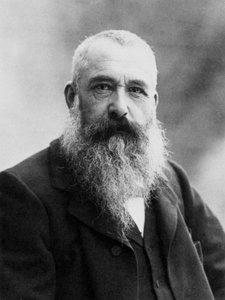
Claude Monet (1840–1926), arguably the most consistent champion of Impressionism, wasn't merely a painter of landscapes; he was a meticulous observer of fleeting moments, translating the ephemeral beauty of nature onto canvas with unparalleled sensitivity. Born in Paris on November 14, 1840, his artistic journey began unexpectedly when his family relocated to Le Havre, Normandy, at the age of five—a formative experience that instilled within him an enduring fascination for the coastal environment.
Early influences included Eugène Boudin, who championed *plein air* painting—working directly from nature—a revolutionary concept that fundamentally shaped Monet’s artistic approach. Boudin didn't just teach Monet how to paint; he imparted a profound understanding of capturing light and atmosphere as perceived by the human eye.
Monet’s formal training at the Académie Suisse provided him with foundational skills, yet it was his unwavering dedication to *plein air* painting that cemented his legacy. He tirelessly pursued this method throughout his career, producing an astonishing body of work—over 900 paintings and drawings—that embodies the spirit of Impressionism.
The Water Lilies Series: An Obsession with Reflection
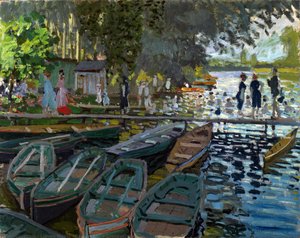
Inspired by his beloved garden at Giverny—a meticulously cultivated sanctuary brimming with aquatic plants—Monet embarked on what he termed “the Great Project”—creating a monumental series of approximately 250 oil paintings depicting the lily pond. This ambitious undertaking consumed him for decades, culminating in the donation of eight large-format murals to the Musée de l’Orangerie in Paris in 1927—a testament to his lifelong pursuit of artistic excellence.
Monet approached this project with remarkable precision and innovation. He experimented extensively with color palettes, capturing subtle variations in light and shadow across different seasons. The resulting paintings are characterized by loose brushstrokes that convey movement and shimmer, reflecting the dynamism of nature—a deliberate departure from traditional academic painting.
Technique and Impressionistic Style
Monet’s technique involved layering thin glazes of oil paint onto canvas, allowing colors to blend seamlessly and creating a luminous surface effect. He meticulously studied how light interacted with water and foliage, striving to reproduce the sensory experience as accurately as possible. This painstaking process resulted in canvases that pulsate with vibrancy—a hallmark of Impressionism.
The artist’s use of color was particularly noteworthy. Monet employed complementary hues—such as blues and oranges—to heighten visual impact and create a harmonious balance within each composition. He meticulously observed the changing colors of dawn and dusk, capturing the ethereal beauty of these transitional moments with breathtaking artistry.
Symbolism and Emotional Resonance
The water lilies themselves symbolize purity, renewal, and tranquility—qualities that resonate deeply with viewers seeking solace and contemplation. Monet’s paintings evoke a profound sense of serenity—inviting observers to immerse themselves in the stillness of the pond and appreciate the subtle nuances of natural beauty.
Furthermore, the shimmering reflections on the water surface convey a feeling of interconnectedness—suggesting that the pond's tranquility extends beyond its immediate surroundings. Monet’s masterful depiction captures not only visual splendor but also an emotional depth that transcends mere representation.
A Timeless Masterpiece for Art Lovers and Interior Design
This high-quality reproduction offers art enthusiasts and interior designers a captivating glimpse into Monet's artistic vision—bringing the tranquility of Giverny’s lily pond into any space. Its harmonious color palette complements a wide range of décor styles, from classic to contemporary—making it an ideal addition for those seeking inspiration and elegance.
Питання та відповіді
Чи можу я переглянути "Водяные лилии" у форматі повноекранного слайд-шоу?
Слайд-шоу до твору «Водяные лилии» можна переглянути на сторінці Слайд-шоу цього витвору.
Для чого рекомендується використовувати репродукцію «Водяные лилии»?
Репродукція твору «Водяные лилии» роботи Клод Моне рекомендована для Релаксація. Ця пропозиція ґрунтується на сюжеті, настрої та кольоровій гамі роботи.
Якою технікою виконано "Водяные лилии" та який його розмір?
«Водяные лилии» виконана в техніці Олія на полотні, її оригінальний розмір становить 200 x 213 cm.
 Переглянути в інтер'єрі
 Надіслати як листівку
 Поділитися
 Деталі витвору
 Посібник

 Завантажити
 Схожі екземпляри
 Рентгенівське дослідження
 Слайд-шоу
 Q&A
Q&A Статистика