
 Переглянути в інтер'єрі
 Надіслати
 Поділитися
 Деталі
 Посібник

 Завантажити
 Схожі предмети колекціонування
 Рентгенівське дослідження
 Слайд-шоу
 Статистика переглядів
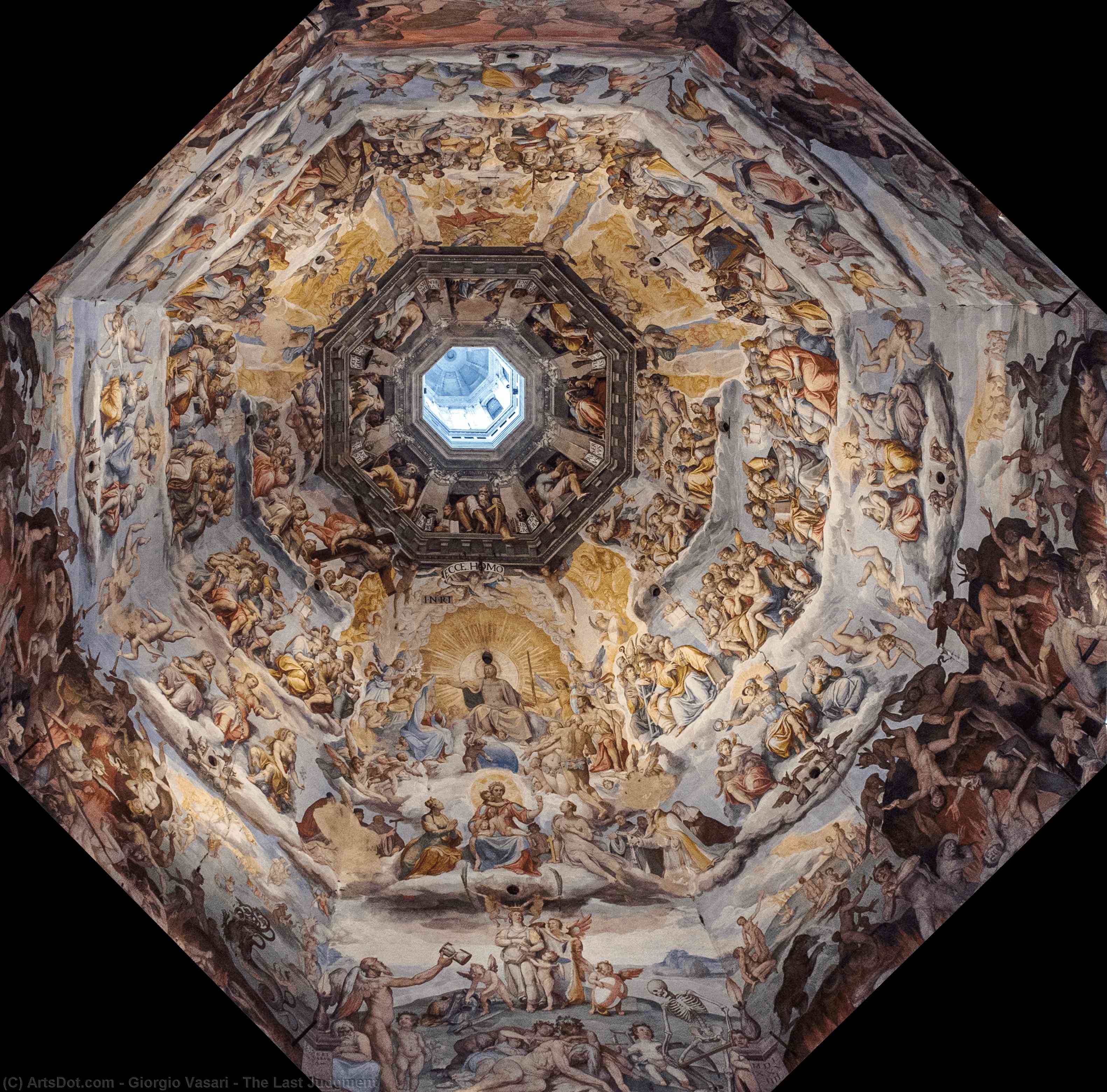
Останнє Судження


 Читати далі
Олійная репродукція ручної роботи
Написана вручну олією на полотні у вашому розмірі та рамі, виготовлена на замовлення нашими художниками. ( Перейти до друку Перейти до цифрових зображень)




P118B $10

P118H $10

P118W $10

P438Z $10

P508JH $12

P508YH $12

P805H $10

P805Z $10

P919BZ $10

P919G $10

P919XJ $10

P959ZH $10

P968JZ $12

W106C $8

W218G $10

W218JH $8

W218Y $10

W307PJ $10

W316G $10

W316PJ $8

W316Y $10

W398PJ $8

W4111J $10

W500HY $15

W500JH $15

W692G $12

W849H $8

W940BG $15

W953PJ $8




Обирайте з наших стандартних розмірів, що відповідають оригінальним пропорціям твору мистецтва.

Ви можете вказати власні розміри, щоб репродукція ідеально підійшла до конкретної рами або інтер'єру. Якщо вибраний вами розмір не відповідає пропорціям оригіналу, ми або обріжемо полотно, або доповнимо картину додатковими елементами, промальованими вручну. Цифровий макет буде надіслано вам на затвердження перед початком виробництва.
Зверніть увагу, що попередній перегляд на екрані не відображає фактичне обрізання або розширення зображення. Тільки макет точно покаже остаточну композицію.
Хоча ми можемо виготовити виріб у нестандартному розмірі, для збереження оригінальних пропорцій рекомендуємо обирати варіанти зі встановленого списку.
Після оформлення замовлення команда OriginalUniqueArt.com зв'яжеться з клієнтом електронною поштою для отримання інструкцій та надасть попередній макет
Доставка по всьому світу () за 3–4 тижні замість стандартних 5 тижнів. (25 Вересень). Без жодних компромісів у якості.

Безкоштовна експрес-доставка по всьому світу

Високоякісне лляне полотно

Повне страхове покриття доставки

Гарантія повернення митних зборів

Гарантія точного відтворення кольорів

Політика повернення протягом 100 днів (лише у разі виявлення дефектів)

Гарантія повернення 100% коштів

Знижка на оптові замовлення
 Скляний варіант доступний лише для розмірів до 110 см

Останнє Судження
Техніка репродукції
Розмір репродукції
-


Загальна вартість
$ 300
Входження у світ епохи: "Помазання" Джорджіо Вазарі
У самому серці Флоренції, в величній катедралі Санта-Марія-дель-Фьоре, знаходиться шедевр, що вражає своєю масштабом та глибоким символізмом – "Помазання" (Giudizio Universale) Джорджіо Вазарі. Це не просто картина; це візуальне вираження релігійних переконань епохи Відродження, монументальний символ Флоренції та її впливу на світову мистецьку культуру. Розпочате у 1572 році та завершене Федеріко Зуккарі в 1579, це твір – результат співпраці двох великих майстрів, кожен з яких внесений свій неповторний стиль у цю грандіозну композицію.
Сам Вазарі, талановитий художник та архітектор, був не лише творцем, але й дослідником історії мистецтва. Його "Життя видатних живописців, скульпторів і архітекторів" – це фундамент для розуміння епохи Відродження, а "Помазання" у Флоренції є яскравою демонстрацією його знань та бачення. Він прагнув не просто створити красиву картину, але й передати глибокий духовний зміст, що визначає віру того часу.
Масштаб і композиція: Купол як небесний театр
Розміщуючись на куполі катедрали, "Помазання" перетворюється на справжній небесний театр. Його вражаючі розміри – понад 3600 квадратних метрів – роблять його однією з найбільших картин у історії мистецтва. Композиція картини організована за принципом зонійності, що відображає структуру всесвіту в релігійній символіці: від ангелів та святих на верхніх рівнях до демонів і грішників у нижчих. Центральне місце займає Христос-Суддя, який є ключовим елементом композиції, що символізує остаточне засудження та спасіння.
Вазарі використовував інноваційні техніки для створення цього монументального твору. Він використав систему підвісних платформ, щоб досягти верхніх частин купола, а Федеріко Зуккарі, який завершив роботу після смерті Вазарі, застосував метод “сеcco” – живопис на сухому гіпсовому шару, що дозволило створити вражаючу глибину та деталізацію. Цей підхід, запозичений з досвіду римських художників, забезпечив завершення роботи в стислі терміни.
Символізм і значення: Вікно у духовний світ
"Помазання" – це не просто зображення апокаліптичного судження. Це складний символічний наратив, заснований на Біблійних текстах та філософії Відродження. Кожен елемент картини – від ангелів і святих до демонів і грішників – має своє значення та представляє певний аспект релігійної віри. Зокрема, зображення грішників у пеклі підкреслює важливість покаяння та спасіння через віру в Христа.
Картина також відображає політичну та соціальну атмосферу Флоренції того часу. Королівський палац Флоренції, де Вазарі працював на герцога Козімо I Медічі, був центром могутності та культурного життя. "Помазання" стало символом влади та релігійної віри, що підкреслювала позицію флорентійської знаті.
Відтворення шедевру: Відчуйте велич у вашому домі
Не кожен має можливість відвідати Флоренцію та побачити "Помазання" в оригіналі. OriginalUniqueArt пропонує високоякісні репродукції цієї неймовірної картини, створені вручну на полотні або з використанням друку на канві. Наші майстри-художники ретельно відтворюють кожну деталь, колір та текстуру, щоб забезпечити максимально точне відображення оригінального твору.
Замовте свою власну репродукцію "Помазання" і перетворіть свій простір на оазис мистецтва та духовного натхнення. Це чудовий спосіб принести в дім частину історії Флоренції та відчути велич шедевру Джорджіо Вазарі.
Біографія митця
A Life Woven into the Renaissance Fabric
Giorgio Vasari, born in Arezzo, Tuscany, on July 30, 1511, was more than simply a painter; he was a quintessential embodiment of the Italian Renaissance spirit. His life unfolded as a vibrant tapestry woven with threads of artistic creation, architectural innovation, insightful historical writing, and an unwavering dedication to celebrating the masters who came before him. From his earliest training under Guglielmo da Marsiglia, a skilled artisan in stained glass, young Giorgio’s path was steered towards visual artistry. However, it was his move to Florence at sixteen that truly ignited his potential. Immersing himself within the dynamic circle of Andrea del Sarto and absorbing the influences of Rosso Fiorentino and Jacopo Pontormo, Vasari began a journey that would see him become one of the most influential figures of his era. His formative years were also deeply marked by the patronage and friendship of the powerful Medici family, a relationship that would shape both his career and his perspective on art’s role in society.The Artist's Hand and Eye
Vasari’s artistic style is often categorized as Mannerist, reflecting the prevailing aesthetic trends of the mid-16th century. His paintings are characterized by elongated figures, dynamic compositions, and a sophisticated use of color—qualities highly admired during his lifetime. While perhaps not achieving the same level of enduring fame as some of the artists he chronicled, Vasari’s skill was undeniable. Notable works such as *The Studio of the Painter*, a fresco housed in Casa Vasari in Arezzo, offer a fascinating glimpse into the artistic practices of the time. The sheer scale and ambition of his frescoes for the Palazzo Vecchio in Florence, undertaken between 1555 and 1572, demonstrate his mastery of large-scale decorative schemes. His final monumental undertaking, *The Last Judgement*, adorning the cupola of Florence Cathedral—completed after his death by Federico Zuccari—stands as a testament to his unwavering commitment to grand artistic visions. Beyond painting, Vasari’s architectural contributions were equally significant. He designed the elegant loggia of the Palazzo degli Uffizi, transforming it into a public piazza and creating a vital link within Florence's urban landscape. Perhaps most famously, he conceived and oversaw the construction of the Vasari Corridor, a secret passageway connecting the Uffizi Gallery with the Palazzo Pitti—a feat of engineering and architectural ingenuity that continues to captivate visitors today.A Historian Forging a Legacy
However, it is arguably as an art historian that Giorgio Vasari secured his most lasting legacy. His monumental work, *Lives of the Most Excellent Painters, Sculptors, and Architects*, published in 1550 (with a revised edition in 1568), revolutionized the way art was understood and appreciated. This groundbreaking text wasn’t merely a collection of biographies; it established a narrative framework for the development of Italian Renaissance art, tracing its evolution from the early masters like Cimabue and Giotto to his contemporaries Michelangelo and Raphael. Vasari's work introduced the very concept of the “Renaissance” – a rebirth of classical ideals—and laid the foundation for modern art history as a discipline. While acknowledging that Vasari’s accounts are not without their biases and inaccuracies, particularly concerning artists predating his own time, the impact of *Lives* remains profound. It provided a crucial historical context for artistic creation, elevating the status of artists from skilled craftsmen to intellectual figures worthy of scholarly attention.Influences and Enduring Significance
Vasari’s artistic development was profoundly shaped by his exposure to the works of Renaissance masters. His visit to Rome in 1529, where he studied the art of Raphael and other High Renaissance artists, proved pivotal. He absorbed their principles of composition, anatomical accuracy, and idealized beauty, incorporating them into his own style. Michelangelo, whom Vasari greatly admired, exerted a particularly strong influence on both his painting and architecture. The grandeur and dynamism characteristic of Michelangelo’s work are evident in many of Vasari’s projects. Beyond specific artists, the broader intellectual currents of the Renaissance—humanism, classical learning, and a renewed interest in empirical observation—also informed Vasari's approach to art and history. Giorgio Vasari died on June 27, 1574, in Florence, leaving behind a multifaceted legacy that continues to resonate today. He was not only a talented artist and architect but also a pioneering historian whose writings shaped our understanding of one of the most transformative periods in Western art history. His work remains essential for anyone seeking to explore the rich cultural heritage of the Italian Renaissance.Major Achievements
- The Studio of the Painter (1563): A monumental fresco within Casa Vasari, offering a detailed depiction of an artist’s studio and serving as a testament to Vasari's understanding of artistic practice.
- Frescoes in Palazzo Vecchio (1555-1572): A series of ambitious frescoes adorning the Salone dei Cinquecento, showcasing Vasari’s mastery of large-scale decorative schemes and his ability to integrate historical narratives into architectural settings.
- Design of the Uffizi Gallery (1560): Transforming a former arsenal into a magnificent public space, Vasari's design for the Uffizi Gallery established a new standard for Renaissance architecture in Florence.
- The Last Judgement (1573-1579): A monumental fresco on the cupola of Florence Cathedral, completed after Vasari’s death by Federico Zuccari, representing a culmination of his artistic ambitions and a powerful statement about faith and mortality.
- The Lives of the Most Excellent Painters, Sculptors, and Architects (1550): A groundbreaking historical work that established a framework for understanding the development of Renaissance art and cemented Vasari’s place as a pivotal figure in art history.
Key Influences
- Guglielmo da Marsiglia: Vasari's early teacher, providing him with foundational training in stained glass techniques.
- Andrea del Sarto: A master painter and influential figure in Florence, whose workshop provided Vasari with invaluable artistic experience.
- Raphael & Michelangelo: The High Renaissance masters whose works profoundly influenced Vasari’s style and approach to art.
- Humanism & Classical Learning: The intellectual currents of the Renaissance, emphasizing reason, observation, and a renewed interest in classical antiquity.
Further Resources
Useful Links:
Джорджіо Вазарі
1511 - 1574 , Італія
Довідкова інформація
- Artistic Movement Or Style: Манеризм
- Artists Or Movements Influenced By This Artist: ['Ренесанс мистецтва']
- Artists Who Influenced This Artist:
- Андреа дель Сарто
- Мікеланджело
- Date Of Birth: 30 лип 1511
- Date Of Death: 27 чер 1574
- Full Name: Giorgio di Antonio Vasari
- Nationality: Італійський
- Notable Artworks:
- Студія художника
- Останнє Судження
- Place Of Birth: Арецо, Італія
Схожі статті

OriginalUniqueArt.com F.A.Q.: Elevating Interiors with Bespoke Wall Murals & Masterpiece Frescoes
Discover the pinnacle of bespoke interior transformation with OriginalUniqueArt.com. Our master fresco artists create exquisite, hand-painted wall murals and ceiling masterpieces tailored to your estate. Elevate your architectural space with timeless, museum-quality artistry.


