

 Переглянути в інтер'єрі
 Надіслати
 Поділитися
 Деталі
 Посібник

 Завантажити
 Схожі предмети колекціонування
 Рентгенівське дослідження
 Слайд-шоу
 Статистика переглядів
Портрет старого чоловіка
 Акрил на полотні
- Настінний декор
- Northern Renaissance
 1470
1470 22.0 x 17.0 cm
 Музей Метрополітен
 Читати далі
Олійная репродукція ручної роботи
Написана вручну олією на полотні у вашому розмірі та рамі, виготовлена на замовлення нашими художниками. ( Перейти до друку Перейти до цифрових зображень)




P118B $10

P118H $10

P118W $10

P438Z $10

P508JH $12

P508YH $12

P805H $10

P805Z $10

P919BZ $10

P919G $10

P919XJ $10

P959ZH $10

P968JZ $12

W106C $8

W218G $10

W218JH $8

W218Y $10

W307PJ $10

W316G $10

W316PJ $8

W316Y $10

W398PJ $8

W4111J $10

W500HY $15

W500JH $15

W692G $12

W849H $8

W940BG $15

W953PJ $8




Обирайте з наших стандартних розмірів, що відповідають оригінальним пропорціям твору мистецтва.

Ви можете вказати власні розміри, щоб репродукція ідеально підійшла до конкретної рами або інтер'єру. Якщо вибраний вами розмір не відповідає пропорціям оригіналу, ми або обріжемо полотно, або доповнимо картину додатковими елементами, промальованими вручну. Цифровий макет буде надіслано вам на затвердження перед початком виробництва.
Зверніть увагу, що попередній перегляд на екрані не відображає фактичне обрізання або розширення зображення. Тільки макет точно покаже остаточну композицію.
Хоча ми можемо виготовити виріб у нестандартному розмірі, для збереження оригінальних пропорцій рекомендуємо обирати варіанти зі встановленого списку.
Після оформлення замовлення команда OriginalUniqueArt.com зв'яжеться з клієнтом електронною поштою для отримання інструкцій та надасть попередній макет
Доставка по всьому світу () за 3–4 тижні замість стандартних 5 тижнів. (25 Вересень). Без жодних компромісів у якості.

Безкоштовна експрес-доставка по всьому світу

Високоякісне лляне полотно

Повне страхове покриття доставки

Гарантія повернення митних зборів

Гарантія точного відтворення кольорів

Політика повернення протягом 100 днів (лише у разі виявлення дефектів)

Гарантія повернення 100% коштів

Знижка на оптові замовлення
 Скляний варіант доступний лише для розмірів до 110 см

Портрет старого чоловіка
Техніка репродукції
Розмір репродукції
-


Загальна вартість
$ 300
Гентський новатор: Художник Гуґо ван дер Гоес та його шедевр «Портрет старого чоловіка»
Гуґо ван дер Гоес – ім’я, що звучить як заклик до історії мистецтва. Його творчість стала одним із ключових моментів у розвитку фламандського Ренесансу, перетворивши традиційні форми живопису на виразний інструмент психологічної глибини та драматичної композиції. Хоча сам Гуґо ван дер Гоес залишився загадкою для дослідників – деталі його раннього життя залишаються маловідомими – його вплив на мистецьке майбутнє був колосальним, формуючи смаки та візуальні концепції наступних поколінь художників. Його новаторський талант проявився у відмові від усталених канонів фламандського живопису початку XVІІІ століття, що дозволило йому створити полотно, яке вражає своєю реалістичною точністю та емоційною щирістю.- Створено у: 1470 рік
- Художник: Гуґо ван дер Гоес (бл. 1440 – 1482)
- Місто народження: Гент
- Країна народження: Бельгія
Стиль та Техніка: Реалізм у службі Ідеям
Гуґо ван дер Гоес був одним із перших художників, який відмовився від традиційного ілюзіонізму Яна де Гейка, що характеризувався насиченими барвами та використанням єдиної перспективної точки зору. Він прагнув досягти максимальної правдивості у зображенні об’єкта, що вимагало ретельної уваги до деталей та майстерного володіння технікою олії на папері – методом, який тоді був рідкістю серед фламандських художників. Саме ця особлива техніка дозволила Ван дер Гоесу передати складні нюанси освітлення та текстури шкіри старого чоловіка з неймовірною точністю, що робить його полотно одним із найвидатніших прикладів реалістичного живопису епохи Ренесансу. Його роботи були б немислимі без цієї ретельності та уваги до технічних особливостей.Історичний Контекст: Ера Переродження та Пошук Істинної Форми
Творчість Гуґо ван дер Гоеса тісно пов’язана з епохою Відродження, коли філософія гуманізму та інтерес до античної культури впливали на всі сфери мистецтва та науки. Його полотно «Портрет старого чоловіка» було створено в період активного розвитку фламандського живопису та є одним із найбільш значущих творів мистецтва того часу. Важливо зазначити, що цей портрет був не просто художнім твором – це був детальний ескіз для включення у більшу композицію, що свідчить про прагнення художника до створення масштабного шедевра. Його робота стала одним із перших прикладів використання олії на папері та продемонструвала новий рівень художньої майстерності.Символізм та Емоційний Відгук: Відображення Часу та Душі
У детальному зображенні старого чоловіка Гуґо ван дер Гоес використовував символічні елементи, що відображають філософію епохи Ренесансу та глибину людської психології. Строгий погляд старого чоловіка у вічі глядача, його обличчя, освітлене м’яким світлом, викликає відчуття співчуття та роздумів про минуле життя. Цей портрет не просто передає фізичну реальність об’єкта – він розповідає історію людини, яка пережила багато років і зберегла в собі мудрість досвіду. Його полотно залишається актуальним й сьогодні, спонукаючи глядачів до роздумів про цінність часу та важливість пам'яті.Де Дивтися: Музейний Шедевр у Нью-Йорку
«Портрет старого чоловіка» знаходиться в колекції Музею сучасного мистецтва ім. Метрополітену в Нью-Йорку, де він продовжує вражати відвідувачів своєю красою та майстерністю. Щоб побачити цю виставку особисто, запрошуємо вас до Нью-Йорка!Біографія митця
A Pioneer of Flemish Realism: The Life and Art of Hugo van der Goes
Born around 1440 in the vibrant artistic hub of Ghent, Belgium, Hugo van der Goes emerged as a pivotal figure in the Northern Renaissance. Though shrouded in some mystery—details of his early life remain scarce—his impact on the development of painting during the latter half of the 15th century is undeniable. Van der Goes wasn’t merely a painter; he was an innovator who profoundly altered the course of artistic expression, influencing masters both within Flanders and across the burgeoning Italian Renaissance. He entered the Ghent painters' guild in 1467, marking his formal establishment as a master craftsman, yet it was his unique vision—a blend of intense realism, psychological depth, and dramatic composition—that would set him apart. Before Van der Goes, Flemish painting, while technically brilliant, often adhered to established conventions; he dared to break from these traditions, imbuing his work with an unprecedented level of human emotion and tangible reality.Innovation and Artistic Style
Van der Goes’s artistic signature lies in his ability to infuse religious scenes with a startling sense of immediacy and emotional weight. He moved beyond the stylized conventions of earlier Flemish painting, imbuing his figures with a weighty presence and individualized character. His use of color was deliberate and often somber, creating a sense of gravity and spiritual intensity. This wasn’t simply about replicating appearances; it was about conveying inner states—awe, sorrow, reverence—through subtle gestures, expressive faces, and the careful manipulation of light and shadow. His monumental style, characterized by large-scale compositions and imposing figures, further amplified this emotional impact. He didn't shy away from portraying imperfections; his figures often possess a raw, almost unsettling realism that distinguishes them from the more idealized representations common in earlier art. This commitment to depicting humanity in all its complexity was revolutionary for its time, influencing artists who sought to move beyond mere technical skill and explore the depths of human experience. The influence of Jan van Eyck’s meticulous detail is evident, but Van der Goes transcends imitation, forging a style uniquely his own. He skillfully combined elements of realism with symbolic representation, creating works that were both visually stunning and deeply meaningful.Masterpieces and Lasting Influence
Perhaps Van der Goes’s most celebrated work is the Portinari Altarpiece, commissioned by Tommaso Portinari, an Italian banker residing in Bruges. Completed around 1475, this magnificent triptych—now housed in the Uffizi Gallery in Florence—is a testament to his mastery of composition, color, and psychological insight. The scene depicting the Nativity is particularly striking, with its dramatic lighting, realistic portrayal of humble figures, and palpable sense of wonder. The altarpiece’s arrival in Italy had a profound effect on Florentine artists, including Domenico Ghirlandaio, who were captivated by its innovative realism and emotional power. Another significant work is The Adoration of the Magi (Monforte Altarpiece), currently residing in Berlin's Gemäldegalerie. This piece showcases his skill in creating dynamic scenes filled with intricate detail and symbolic meaning. Beyond these iconic works, Van der Goes contributed to numerous civic projects, including heraldic decorations for Charles the Bold’s ceremonial entries into Ghent, demonstrating his versatility as an artist. His influence extended beyond painting; he impacted the development of book illustration through his designs which were disseminated by artists like Alexander Bening.A Life Transformed: From Workshop to Monastery
In a surprising turn of events, at the height of his artistic success in 1477, Van der Goes abruptly closed his bustling workshop and entered the Roode Klooster monastery near Auderghem. This decision remains something of an enigma, though it’s believed to have been driven by a deep spiritual yearning or perhaps a struggle with mental health. Despite taking religious vows as a lay brother, he continued to accept painting commissions, even undertaking the task of evaluating unfinished works by Dieric Bouts for the city of Leuven. However, his final years were marked by increasing bouts of depression and psychological distress. Accounts suggest that he suffered a severe breakdown in 1482, tragically taking his own life shortly thereafter. This poignant end to a brilliant career adds another layer of complexity to the legacy of Hugo van der Goes—a man whose art explored the depths of human emotion while grappling with inner turmoil. The circumstances surrounding his death have fueled speculation for centuries, adding to the mystique that surrounds this remarkable artist.A Legacy Enduring Through Time
Hugo van der Goes’s influence extended far beyond his relatively short lifetime. His innovative techniques and profound psychological insights paved the way for future generations of artists, both in Flanders and Italy. His work can be found today in prestigious museums such as the Musées royaux des Beaux-Arts in Brussels, offering a glimpse into the genius of this pioneering Flemish master. He remains a compelling figure—a testament to the power of art to capture the complexities of the human condition and to transcend cultural boundaries. His legacy continues to inspire awe and admiration, solidifying his place as one of the most important artists of the Northern Renaissance.- His emphasis on realism influenced subsequent generations.
- The Portinari Altarpiece remains a landmark achievement in art history.
- His exploration of psychological depth set a new standard for portraiture and religious painting.

Гуго ван дер Гойс
1440 - 1482 , Бельгія
Довідкова інформація
- Artistic Movement Or Style: Ранній нідерландський живопис
- Artists Or Movements Influenced By This Artist:
- Донателло Гірландяйо
- Італійський Ренесанс
- Artists Who Influenced This Artist:
- Ян ван Ейк
- Дірк Боутс
- Date Of Birth: c. 1440
- Date Of Death: 1482
- Full Name: Hugo van der Goes
- Nationality: Фламандський
- Notable Artworks:
- Адавіація Королів
- Алтар Гольфштейна
- Поклоніння пастухам
- Place Of Birth: Гент, Бельгія
Схожі статті
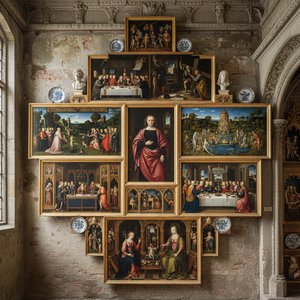
Топ-10 шедеврів Раннього Нідерландського Відродження: мистецтво для вашого дому | OriginalUniqueArt
Відкрийте для себе 10 шедеврів Раннього Нідерландського Відродження! Історія ван Ейка, Рогіра ван дер Вейдена та інших майстрів. Картини епохи Ренесансу для вашого дому – придбайте розкішні репродукції на OriginalUniqueArt.com.

Топ-10 шедеврів раннього нідерландського живопису: мистецтво для вашого дому від OriginalUniqueArt
Відкрийте для себе 10 шедеврів раннього нідерландського живопису! Дізнайтесь історії ван Ейка, ван дер Вейдена та інших майстрів. Купіть високоякісні репродукції картин на OriginalUniqueArt.com і додайте елегантності вашому дому.

Рембрандт ван Рейн: Топ-25 шедеврів для вашого дому | OriginalUniqueArt
Пориньте у світ Рембрандта ван Рейна! 25 культових шедеврів бароко, портретів та біблійних сцен. Купіть високоякісні репродукції картин Рембрандта для вашого дому на OriginalUniqueArt.com – музейне мистецтво онлайн!

Hugo van der Goes: Devotion, Innovation & the Psychological Depth of Early Netherlandish Painting
Explore the revolutionary art of Hugo van der Goes – a master of Early Netherlandish painting renowned for his dramatic realism, psychological depth & profound influence on Renaissance artists. Discover his iconic works and lasting legacy.

Rogier van der Weyden: Emotion, Innovation & the Early Netherlandish Renaissance
Explore the revolutionary art of Rogier van der Weyden, a pivotal figure of the Early Netherlandish Renaissance. Discover his emotional realism, innovative compositions, and lasting impact on painting history.


