Переглянути в інтер'єрі
 Надіслати
 Поділитися
 Деталі
 Посібник

 Завантажити
 Схожі предмети колекціонування
 Рентгенівське дослідження
 Слайд-шоу
 Статистика переглядів
"Newton" -> "Ньютон"


 Читати далі
Олійная репродукція ручної роботи
Написана вручну олією на полотні у вашому розмірі та рамі, виготовлена на замовлення нашими художниками. ( Перейти до друку Перейти до цифрових зображень)




P118B $10

P118H $10

P118W $10

P438Z $10

P508JH $12

P508YH $12

P805H $10

P805Z $10

P919BZ $10

P919G $10

P919XJ $10

P959ZH $10

P968JZ $12

W106C $8

W218G $10

W218JH $8

W218Y $10

W307PJ $10

W316G $10

W316PJ $8

W316Y $10

W398PJ $8

W4111J $10

W500HY $15

W500JH $15

W692G $12

W849H $8

W940BG $15

W953PJ $8




Обирайте з наших стандартних розмірів, що відповідають оригінальним пропорціям твору мистецтва.

Ви можете вказати власні розміри, щоб репродукція ідеально підійшла до конкретної рами або інтер'єру. Якщо вибраний вами розмір не відповідає пропорціям оригіналу, ми або обріжемо полотно, або доповнимо картину додатковими елементами, промальованими вручну. Цифровий макет буде надіслано вам на затвердження перед початком виробництва.
Зверніть увагу, що попередній перегляд на екрані не відображає фактичне обрізання або розширення зображення. Тільки макет точно покаже остаточну композицію.
Хоча ми можемо виготовити виріб у нестандартному розмірі, для збереження оригінальних пропорцій рекомендуємо обирати варіанти зі встановленого списку.
Після оформлення замовлення команда OriginalUniqueArt.com зв'яжеться з клієнтом електронною поштою для отримання інструкцій та надасть попередній макет
Доставка по всьому світу () за 3–4 тижні замість стандартних 5 тижнів. (21 Вересень). Без жодних компромісів у якості.

Безкоштовна експрес-доставка по всьому світу

Високоякісне лляне полотно

Повне страхове покриття доставки

Гарантія повернення митних зборів

Гарантія точного відтворення кольорів

Політика повернення протягом 100 днів (лише у разі виявлення дефектів)

Гарантія повернення 100% коштів

Знижка на оптові замовлення
 Скляний варіант доступний лише для розмірів до 110 см

"Newton" -> "Ньютон"
Техніка репродукції
Розмір репродукції
-


Загальна вартість
$ 300
Візія, Розрізана на Дроби: “Ньютон” Вільяма Блейка
Роботи Вільяма Блейка рідко бувають простими. Його “Ньютон”, створений у 1795 році (пізніше переосідлений у 1805-му), – це не просто портрет видатного вченого, а складне та багатошарове послання про межі розуму, силу уяви та саму природу людського сприйняття. Цей малюнок продовжує захоплювати глядачів і сьогодні, викликаючи дискусії та відкриваючи нові перспективи на унікальне мистецьке бачення Блейка. Він – не просто зображення; це розмита гра між наукою та філософією, між реальністю та мріями.

(Зображення малюнка “Ньютон” Блейка)
Фігура в Розпачі та Знання
На полотні ми бачимо Ісаака Ньютона, зображеного у драматичній позі – він нахилений над камінням, що виглядає як скельна плита, занурена у темряву, можливо, в глибини моря чи безмежність космосу. Його тіло повністю оголене, але це не просто анатомічна деталь; воно символізує вразливість, відмову від соціальних обмежень та прагнення до знання, що вимагає відмови від зовнішніх атрибутів. Він занурений у роботу над складними геометричними схемами, які начеркиває олівцем на пергаменті. Композиція навмисно ізолює Ньютона в його власному світі думки, підкреслюючи як самотність наукового відкриття, так і потенційну відстороненість від природного світу. Блейк не просто зображує вченого; він показує людину, що намагається розгадати таємниці Всесвіту, але ризикує втратити зв’язок із земним життям.
Романтична Інновація: Техніка Монотипу
“Ньютон” є чудовим прикладом романтичного стилю Блейка, який відрізняється від домінування неокласицизму того часу. Малюнок виконаний технікою монотипу – методу, коли чорнила наносяться на гладку поверхню та переносяться на папір. Ця техніка дозволяє досягти неймовірної глибини тону, текстури та плавного руху, що важко реалізувати традиційними гравюрами. Блейк майстерно використовує яскраві кольори, ретельно промальовуючи їх шарами, створюючи візуально вражаючу картину, яка виходить за межі простого зображення. Сама техніка монотипу здається дослідженням – вона відображає інтелектуальне дослідження, яке відбувається всередині малюнка. Блейк не просто відтворює реальність; він створює відчуття процесу, спостерігаючи за тим, як знання виникає з хаосу.
Епоха Просвітління та Її Критика
Створений під час епохи Просвітлення, “Ньютон” є як продукт, так і критика того часу. Він відображає прагнення до раціональності та наукового прогресу, але водночас ставить під сумнів їхні обмеження. Блейк, здається, бачив у надмірній вірі в розум загрозу для творчості та інтуїції. Він використовує образ Ньютона, щоб показати, що прагнення до знання може призвести до відірваності від природи та духовного світу. Малюнок – це не просто портрет відомого вченого; це символ боротьби між розумом і уявою, між наукою та мистецтвом.
Символізм та Емоційний Відгук
У “Ньютоні” Блейк використовує символізм, щоб передати глибші ідеї. Оголений стан Ньютона – це не просто фізична деталь; це символ його відданості науці, його готовності пожертвувати особистим комфортом заради знання. Темрява навколо нього може представляти невідоме, виклики та сумніви, з якими стикається дослідник. Малюнок викликає відчуття меланхолії, задушевості та глибокого роздуму про природу людського існування. “Ньютон” – це не просто картина; це емоційний досвід, який змушує глядача замислитися над власним місцем у світі та значенням знань.
Біографія митця
William Blake (1757–1827): A Visionary’s Journey
William Blake, born in London on November 28, 1757, was a figure perpetually out of step with his time, yet destined to become one of the most celebrated artists and poets of the Romantic Age. His life unfolded against the backdrop of a rapidly changing England—a world grappling with industrialization, political upheaval, and shifting spiritual beliefs. From humble beginnings as the son of a hosier, Blake’s early years were marked by an intensely vivid imagination and a propensity for visionary experiences that would profoundly shape his artistic trajectory. Though largely self-taught in formal academics, he received drawing instruction at a young age, quickly revealing a talent that hinted at the extraordinary path ahead. His apprenticeship with engraver James Basire proved pivotal, providing him not only with technical mastery but also an understanding of printmaking techniques he would later revolutionize. These early influences—the Gothic grandeur of Westminster Abbey, the classical forms of Raphael and Michelangelo—served as foundational elements in his developing aesthetic, though Blake was never one to remain bound by convention.Early Life and Artistic Training
Blake’s formative years instilled within him a deep fascination with mythology and folklore, shaping his worldview and informing his artistic vision. Despite lacking formal schooling, he possessed an innate aptitude for drawing—a skill honed through diligent self-study and observation—and quickly demonstrated an exceptional ability to capture the essence of his subjects. His apprenticeship under James Basire, a respected engraver, provided invaluable experience in printmaking, equipping him with essential techniques that would underpin his groundbreaking illuminated printing process. This method, born from a profound spiritual awakening following his brother’s death, represented a radical departure from established practices—a deliberate rejection of mechanistic reproduction in favor of artistic expression and symbolic representation. Blake's meticulous attention to detail and his unwavering commitment to capturing the emotional depth of his subjects foreshadowed the stylistic innovations that would characterize his mature oeuvre.Illuminated Printing: A Revolutionary Technique
Blake’s artistic innovation wasn’t merely about subject matter; it resided fundamentally in *how* he created. Dissatisfied with conventional engraving methods, he developed a unique process known as “illuminated printing.” This involved etching both text and illustrations onto copper plates—a painstaking undertaking that demanded considerable skill and patience—then painstakingly hand-coloring the resulting prints using vibrant pigments applied directly to the plate surface. This wasn’t simply illustration accompanying poetry; it was an integrated art form where image and verse were inextricably linked, each amplifying the meaning of the other. Blake's mastery of relief etching—a technique he claimed originated from a prophetic vision—allowed him to achieve unparalleled textural richness and expressive nuance, surpassing the limitations imposed by traditional printmaking methods. This innovative approach cemented his reputation as a visionary artist who dared to challenge artistic conventions and forge new paths toward creative expression.Major Works and Artistic Style
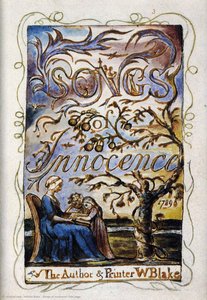
Blake’s artistic output encompassed a diverse range of genres—poetry, engravings, watercolors, and illuminated books—each reflecting his profound engagement with spiritual and philosophical ideas. Among his most celebrated works are *Songs of Innocence & Experience* (1794), a masterful exploration of duality and moral contemplation; *The Marriage of Heaven & Hell* (1793), a provocative prose poem that celebrates rebellious energy and defies conventional dogma; and *Jerusalem*, an ambitious epic poem depicting a reimagined vision of Albion—ancient name for Britain—as a beacon of spiritual renewal. His engravings, particularly those inspired by Dante’s *Divine Comedy*, demonstrate his extraordinary ability to translate complex narratives into powerful visual imagery—characterized by flattened perspectives, symbolic motifs, and a deliberate rejection of realistic representation. Blake's distinctive style—marked by bold lines, vibrant colors, and an unwavering commitment to conveying emotional intensity—became influential in shaping the aesthetic sensibilities of subsequent generations of artists.Legacy and Influence
Despite facing considerable obscurity during his lifetime, William Blake’s artistic legacy endured beyond his death on August 12, 1827. The Pre-Raphaelites, captivated by his visionary style and symbolic imagery—particularly *Songs of Innocence & Experience*—embraced him as a kindred spirit and championed his uncompromising aesthetic principles. Later movements—Symbolism and Modernism—found resonance in Blake’s exploration of subjective experience and spiritual contemplation, recognizing him as a precursor to avant-garde artistic endeavors. Today, William Blake is revered as a pivotal figure in the Romantic movement—an artist whose work continues to inspire poets, painters, and thinkers across disciplines. His unwavering commitment to creative freedom—a testament to the enduring power of imagination—remains profoundly relevant, urging us to question established norms and embrace visions that transcend conventional boundaries. Blake’s influence extends far beyond the realm of art, shaping conceptions of spirituality, mythology, and the role of imagination in human consciousness.
Вільям Блейк
1757 - 1827 , Великобритания
Довідкова інформація
- Artistic Movement Or Style: Романтизм
- Artists Who Influenced This Artist:
- Рафаель
- Мікеланджело
- Date Of Birth: 1757 рік
- Date Of Death: 1827 рік
- Full Name: William Blake
- Nationality: Британський
- Notable Artworks:
- Пісні про бездоганність і досвід
- Весілля неба й пекла
- Тигр
- Place Of Birth: Лондон, Великобританія
Схожі статті

Giclée Prints: Archival Quality & Aesthetic Nuances for the Discerning Collector
Explore the world of giclée prints with OriginalUniqueArt. Learn about archival quality, aesthetic nuances & investment potential. Expert guidance for discerning art collectors seeking museum-quality reproductions and lasting value.

Sir William Blake Richmond: A Visionary of Aestheticism & Symbolism
Explore the life & art of Sir William Blake Richmond, a pivotal figure bridging Pre-Raphaelitism and Aestheticism. Discover his stunning portraits, mosaics at St Paul's Cathedral, and lasting influence on Victorian art.

William Blake: Romantic Visionary & Mystical Genius of the Imagination
Explore the mystical art & poetic genius of William Blake (1757-1827). Discover his revolutionary illuminated printing, rich symbolism, and lasting influence on Romanticism. Find handmade reproductions at OriginalUniqueArt.

The Enduring Legacy of Fine Art Prints: Technique, History & Aesthetic Impact
Explore the rich history & techniques of fine art prints. Discover investment potential, assess authenticity, and learn how to preserve your collection with expert guidance. Trusted insights for discerning collectors.

Romantic Realism's Finest: 10 Masterpieces for Your Home | OriginalUniqueArt
Explore 10 defining masterpieces of Romantic Realism! Discover Courbet, Millet & Daumier's powerful paintings—capturing emotion and social realities. Find museum-quality reproductions for your home at OriginalUniqueArt.com.