Переглянути в інтер'єрі
 Надіслати як листівку
 Поділитися
 Деталі витвору
 Посібник

 Завантажити
 Схожі екземпляри
 Рентгенівське дослідження
 Слайд-шоу
 Q&A
Q&A Статистика
Череп


 Розгорнути текст
Гікле / Художній принт
Друк جيкле або на полотні музейної якості з оперативним виготовленням та різноманітними варіантами фінішної обробки. ( Замовити картину ручної роботи Перейти до цифрових зображень)




P118B ₴10

P118H ₴10

P118W ₴10

P438Z ₴10

P508JH ₴12

P508YH ₴12

P805H ₴10

P805Z ₴10

P919BZ ₴10

P919G ₴10

P919XJ ₴10

P959ZH ₴10

P968JZ ₴12

W106C ₴8

W218G ₴10

W218JH ₴8

W218Y ₴10

W307PJ ₴10

W316G ₴10

W316PJ ₴8

W316Y ₴10

W398PJ ₴8

W4111J ₴10

W500HY ₴15

W500JH ₴15

W692G ₴12

W849H ₴8

W940BG ₴15

W953PJ ₴8




Обирайте з наших стандартних розмірів, що відповідають оригінальним пропорціям твору мистецтва.

Введіть необхідну ширину та висоту, щоб принт ідеально підійшов до вашої рами або стіни. Принт можна лише обрізати, але не можна зробити більшим за оригінал, тому при зміні пропорцій частина зображення буде втрачена. Перед друком ми надсилаємо вам цифровий макет для затвердження. Зображення на цій сторінці не відображає реальну обрізку — її можна побачити лише на макеті.
Доставка по всьому світу () за 2 тижні замість стандартних 4/5 тижнів. (30 Жовтень)

Безкоштовна експрес-доставка по всьому світу

Високоякісне лляне полотно

Повне страхове покриття доставки

Гарантія повернення митних зборів

Гарантія точного відтворення кольорів

Політика повернення протягом 100 днів (лише у разі виявлення дефектів)

Гарантія повернення 100% коштів

Пропозиція на оптові замовлення
 Скляний варіант доступний лише для розмірів до 110 см

Череп
Гікле / Художній принт
Розмір репродукції
-


Підсумкова вартість
₴ 3579
Тихий Відлуння: "Череп" Ван Гога
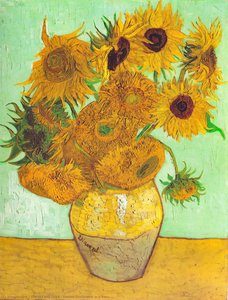
Картина Ван Гога “Череп”, написана у 1887 році, – це не просто зображення кісток і тіней; це глибока роздум про смертність, крихкість та саму сутність людського існування. Цей intімний масляний натюрморт на полотні, що зберігається у колекціях музеїв по всьому світу, зокрема Музею Ван Гога в Амстердамі, дає змогу зазирнути у внутрішній світ художника – світ, сповнений хвороби, втрат та гострої потреби в тому, щоб захопити мить краси життя. Сувора простота картини приховує її складний емоційний резонанс, спонукаючи глядачів розмірковувати про тимчасовість усього сущего.
Сцена дещо проста: потертий череп відпочиває на тлі яскраво-жовтого кольору – колір, який одночасно випромінює тепло та натякає на розкладання. Ван Гог майстерно використовує палітру, що складається з землистих коричневих і приглушених зелених відтінків, створюючи органічний ефект, який закріплює череп у ландшафті природних циклів. Зверніть увагу, як художник не соромиться недосконалості кісток: тріщини та щілини зображені з надзвичайною увагою до деталей, що свідчить не лише про вік, але й про руйнівний вплив часу та неминучий процес розкладання. Це не ідеалізоване зображення смерті; це чесна зустріч із її реальністю.
Пост-імпресіоністичні Техніки: Танець Кольору та Текстури
“Череп” є чудовим прикладом стилю Ван Гога – пост-імпресіонізму, який характеризується яскравими кольорами, виразними мазками та свідомим відходом від традиційних академічних технік. Підписний імпасто – товсті шари фарби, нанесені безпосередньо на полотно – створює відчуття текстури та руху. Зверніть увагу, як мазки здаються звиті по поверхні, передаючи не лише фізичну форму черепа, але й емоційну турботу Ван Гога. Художник використовує короткі, різкі мазки для визначення контурів кісток, контрастуючи їх з більш широкими та плавними мазками на задньому плані, що свідчить про динамічну взаємодію між спокоєм і розкладанням.
Особливо варто відзначити стратегічне використання кольору. Жовтий не є просто фоном; він пульсує майже невловимою енергією, натякаючи на життєву силу, що бореться з неминучим занепадом. Майстерна манера Ван Гога маніпулювати світлом і тінями створює драматичний ефект чіароскуро – підсилює присутність черепа та привертає увагу глядача до його сувоєї краси. Легкі варіації тонів – від глибоких коричневих до блідо-жовтих – сприяють загальному відчуттю глибини та реалізму картини.
Символізм і Вага Смертності
У своїх творах Ван Гог часто використовував черепи як символи смертності та швидкоплинності життя. У “Черепі” цей символ передається потужно завдяки контрасту між розкладеною кісткою та яскраво-жовтою палітрою. Череп не лише представляє смерть, але й неминучий кінець усім земним прагненням – нагадування про нашу вразливість. Однак картина зосереджена не лише на відчаї; яскраві жовті кольори натякають на спасіння, визнання того, що навіть перед обличчям смерті краса та життєва сила все ще можуть бути знайдені.
Деякі мистецтвознавці інтерпретують череп як відображення власних боротьб Ван Гога з психічними захворюваннями. Картина могла бути спробою розібратися зі своїми почуттями ізоляції, відчаю та неминущого лиховіння. Проте, незважаючи на приглушений меланхолійний відтінок, “Череп” має дивовижну гідність – тихе прийняття долі, яке відображає глибоку чутливість і художню уяву художника. Це свідчення здатності Ван Гога перетворювати особисте страждання на універсальні теми.
Наследування Ван Гога: Тривале Вплив
Вплив Ван Гога на світову мистецтвознавчу спільноту непересічний. Його сміливе експериментування з кольором, мазком та темою проклало шлях для таких рухів, як експресіонізм і футуризм, глибоко впливаючи на покоління художників. “Череп”, у своїй безпосередній емоційній чесності та технічній майстерності, є потужним прикладом унікального мистецького голосу Ван Гога – голосу, який продовжує резонувати з глядачами й сьогодні.
Якщо вас захоплює ця виразна шедевр, OriginalUniqueArt пропонує ретельно створені відтворені масляними фарбами “Черепа”, дозволяючи вам принести цей іконографічний твір у ваше власне житло. Дослідіть нашу колекцію за посиланням OriginalUniqueArt та відчуйте силу творчого бачення Ван Гога безпосередньо. Для подальшого вивчення розгляньте відвідування Музею Ван Гога в Амстердамі (Vangoghmuseum.nl) або Музею Рембрандта в Амстердамі (Rijksmuseum.nl), де ви можете зануритися у світ цього надзвичайного художника.
Питання та відповіді
Де найкраще повісити репродукцію «Череп» роботи Вінсент Ван Гог?
Формат (Портретна орієнтація) та рекомендоване приміщення (Вітальня) — це два ключові параметри розміщення для «Череп» роботи Вінсент Ван Гог.
Хто створив "Череп" і в якому стилі виконано цей твір?
Автором твору "Череп" є Вінсент Ван Гог, що належить до течії Post-Impressionism.
Як у творі «Череп» збалансовано світло та тінь?
Яскравість твору «Череп» роботи Вінсент Ван Гог становить яскравий, а показник яскравості (luminance) — Загальна яскравість.
Біографія митця
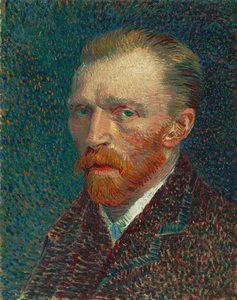
Життя, написане пристрастю: Вінсент ван Гог
Вінсент Віллем ван Гог — ім'я, що стало синонімом яскравого кольору та оголених емоцій, залишається однією з найбільш впізнаваних і улюблених постатей в історії мистецтва. Народившись 30 березня 1853 року в Зюндерті, Нідерланди, він пройшов шлях від неспокійного юнака, що шукав сенс життя, до художнього візіонера — це зворушлива історія самовідданості, боротьби та, зрештою, безсмертної спадщини. Хоча за життя він досяг незначного комерційного успіху — продавши лише одну картину, «Червоний виноградник», перед своєю смертю — вплив Ван Гога на сучасне мистецтво є безмірним, адже він проклав шлях для експресіонізму та надихнув незліченну кількість наступних поколінь митців. Його історія — це не лише про мазки пензля та полотна; це свідчення сили людського самовираження перед обличчям життєвих випробувань.
Ранні роки та художнє пробудження
Ранні роки життя Ван Гога були позначені низкою нездійснених прагнень. Він пробував себе в різних професіях — був артдилером, учителем і навіть місіонером — перш ніж остаточно присвятити себе живопису у відносно пізньому віці, коли йому було 27 років. Цей попередній досвід глибоко сформував його світогляд і знайшов відображення в його творчості. Його перші роботи, що зображували сцени селянського життя в сільській місцевості Бельгії, виражають глибоку емпатію до робітничого класу та використовують похмуру палітру, яка передає їхні труднощі. Під впливом таких митців, як Жан-Франсуа Мілле, Ван Гог прагнув зафіксувати гідність і стійкість цих людей через суворий реаліму. Однак саме переїзд до Парижа у 1886 році став переломним моментом. Там він познайомився з імпресіонізмом та постімпресіонізмом, вбираючи техніки таких майстрів, як Моне, Ренуар та Піссарро. Це відкриття розширило його художні горизонти, спонукаючи до експериментів із яскравішими кольорами та вільнішими мазками, проте він зберіг особливу емоційну інтенсивність, якої бракувало багатьом його сучасникам. Його брат Тео, артдилер, відіграв вирішальну роль у цей період, забезпечуючи фінансову підтримку та виступаючи життєво важливою ланкою зі світом паризького мистецтва. Їхній розлогий листування пропонує безцінні знання про художній розвиток Ван Гога та його особисті труднощі.
Південне світло та вибухова творчість
Прагнучи знайти яскравіший пейзаж і відчуття оновлення, у 1888 році Ван Гог переїхав до Арля на півдні Франції. Цей переїзд ознаменував період інтенсивної творчості, що характеризувався вибухом кольору та особливою технікою імпасто — густого нанесення фарби на полотно, що створює текстуровану поверхню, яка ніби пульсує енергією. Саме тут він створив деякі зі своїх найбільш знакових шедеврів: «Соняшники», «Нічне кафе» та «Зорі Ніч». Сонце Провансу, здавалося, запалило його уяву, змусивши зображувати пейзації та натюрморти з безпрецедентною жвавістю. Бажання художньої співпраці спонукало його запросити Поля Гогена до Арля, сподіваючись створити утопічну колонію митців. Однак їхні стосунки виявилися нестабільними, що завершилося драматичним конфліктом, результатом якого стало те, що Ван Гог пошкодив власне вухо. Ця подія підкреслила крихкість його психічного стану і ознаменувала початок періоду примусового лікування та зростання психологічного дистресу.
Пізні роки та безсмертна спадщина
Після нервового зриву Ван Гог добровільно увійшов до психіатричної лікарні в Сен-Ремі, де продовжував продуктивно малювати, закарбовуючи навколишні пейзажі з красою та тривогою водночас. Такі роботи, як «Зорі Ніч», написані в цей час, сповнені космічного дива та глибокої емоційної глибини. Згодом він переїхав до Овер-сюр-Уаз під опіку доктора Поля Гаше, але його труднощі не миналили. 29 липня 1890 року, у віці 37 років, Ван Гог трагічно помер від вогнепального поранення, завданого собі самостійно. Попри те, що за життя він не здобув визнання, його творчість почала отримувати посмертну славу завдяки наполегливим зусиллям його невістки, Йоганни ван Гог-Бонгер, яка успадкувала його майно і присвятила себе просуванню його мистецтва. Сьогодні картини Ван Гога святкують у всьому світі за їхню емоційну силу, інноваційні техніки та невмирущу красу. Його спадщина виходить далеко за межі полотна; він став символом художньої пристрасті, стійкості перед обличчям негараздів і сили мистецтва виражати найглибші людські емоції.
Ключові впливи та художній розвиток
- Ранній реалізм: Зображення селянського життя Жаном-Франсуа Мілле вплинули на ранні роботи Ван Гога.
- Імпресіонізм та постімпресіонізм: Знайомство з Моне, Ренуаром, Піссарро та іншими в Парижі розширило його палітру та техніку.
- Японська гравюра: Ван Гог був глибоко вражений японською ксилографією, яку він завзято колекціонував. Їхні сміливі композиції та пласкі кольорові площини вплинули на його власний стиль.
- Емоційне самовираження: Понад усе Ван Гог прагнув передати емоцію через своє мистецтво, надаючи пріоритет суб'єктивному досвіду над об'єктивним представленням. Цей фокус на емоційній інтенсивності став визначальною характеристикою його творчості та проклав шлях до експресіонізму.
Вінсент Ван Гог
1853 - 1890 , Нідерланди
Короткі факти
- Artistic Movement Or Style: Пост-імпресіонізм
- Artists Or Movements Influenced By This Artist:
- Експресіонізм
- Фавлізм
- Artists Who Influenced This Artist:
- Рембрандт
- Жан-Фріц Мілет
- Date Of Birth: 30 березня 1853
- Date Of Death: 29 липня 1890
- Full Name: Vincent Willem van Gogh
- Nationality: Нідерландський
- Notable Artworks:
- Соняшники
- Зорі ніч
- Нічне кафе
- Place Of Birth: Зюндерт, Нідерланди
Пов'язані статті
Топ-10 шедеврів живопису в відтінках жовтої охри: історія та натхнення для вашого дому
Відкрийте для себе 10 шедеврів живопису, де жовта охра – головний герой! Історія Ван Гога, Моне та інших геніїв. Натхнення для вашого дому від OriginalUniqueArt.com. Репродукції картин преміум-класу онлайн.
Топ-10 шедеврів живопису в домінуючих відтінках хромової жовтизни | OriginalUniqueArt.com
Відкрийте для себе 10 найвідоміших картин, де домінує хромова жовтизна! Ван Гог, Моне та інші майстри. Історія мистецтва, техніки живопису та ідеї декору від OriginalUniqueArt.com. Дослідіть колекцію онлайн!
Decoding Van Gogh's Turmoil: OriginalUniqueArt’s Masterful Reproductions of Emotional Depth
Discover exquisite Van Gogh reproductions from OriginalUniqueArt – expert art specialists offering museum-quality prints & custom paintings. Trust our authentic process and elevate your collection today.

Топ-10 шедеврів постімпресіонізму: мистецтво, яке змінила епоху | OriginalUniqueArt.com
Відкрийте для себе 10 шедеврів постімпресіонізму від Ван Гога, Сезанна та інших геніїв! Історія мистецтва, унікальні техніки та емоційний вплив картин. Купуйте репродукції високої якості на OriginalUniqueArt.com та створіть свій неповторний інтер'єр.

Рембрандт ван Рейн: Топ-25 шедеврів для вашого дому | OriginalUniqueArt
Пориньте у світ Рембрандта ван Рейна! 25 культових шедеврів бароко, портретів та біблійних сцен. Купіть високоякісні репродукції картин Рембрандта для вашого дому на OriginalUniqueArt.com – музейне мистецтво онлайн!