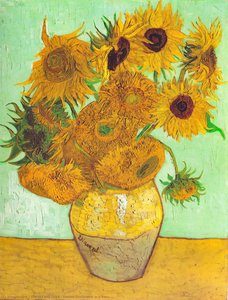
Переглянути в інтер'єрі
 Надіслати як листівку
 Поділитися
 Деталі витвору
 Посібник

 Завантажити
 Схожі екземпляри
 Рентгенівське дослідження
 Слайд-шоу
 Питання та відповіді
 Статистика
La moisson (Пшеничне поле за Сен-Полем)


 Розгорнути текст
Гікле / Художній принт
Друк جيкле або на полотні музейної якості з оперативним виготовленням та різноманітними варіантами фінішної обробки. ( Замовити картину ручної роботи Перейти до цифрових зображень)




P118B ₴10

P118H ₴10

P118W ₴10

P438Z ₴10

P508JH ₴12

P508YH ₴12

P805H ₴10

P805Z ₴10

P919BZ ₴10

P919G ₴10

P919XJ ₴10

P959ZH ₴10

P968JZ ₴12

W106C ₴8

W218G ₴10

W218JH ₴8

W218Y ₴10

W307PJ ₴10

W316G ₴10

W316PJ ₴8

W316Y ₴10

W398PJ ₴8

W4111J ₴10

W500HY ₴15

W500JH ₴15

W692G ₴12

W849H ₴8

W940BG ₴15

W953PJ ₴8




Обирайте з наших стандартних розмірів, що відповідають оригінальним пропорціям твору мистецтва.

Введіть необхідну ширину та висоту, щоб принт ідеально підійшов до вашої рами або стіни. Принт можна лише обрізати, але не можна зробити більшим за оригінал, тому при зміні пропорцій частина зображення буде втрачена. Перед друком ми надсилаємо вам цифровий макет для затвердження. Зображення на цій сторінці не відображає реальну обрізку — її можна побачити лише на макеті.
Доставка по всьому світу () за 2 тижні замість стандартних 4/5 тижнів. (9 Листопад)

Безкоштовна експрес-доставка по всьому світу

Високоякісне лляне полотно

Повне страхове покриття доставки

Гарантія повернення митних зборів

Гарантія точного відтворення кольорів

Політика повернення протягом 100 днів (лише у разі виявлення дефектів)

Гарантія повернення 100% коштів

Пропозиція на оптові замовлення
 Скляний варіант доступний лише для розмірів до 110 см

La moisson (Пшеничне поле за Сен-Полем)
Гікле / Художній принт
Розмір репродукції
-


Підсумкова вартість
₴ 3637
А золота вісь життєва й смертна: *La Moisson* (Поле пшениці за Сен-Ремі) Ван Гога
La Moisson, або *Поле пшениці за Сен-Ремі*, є захоплюючою роботою Вінсента ван Гога, написаною під час його перебування в психіатричній лікарні Сен-Ремі у 1889 році. Це полотно не лише зображує сільську Провансу; воно є глибокою роздумою про життя, смерть і неухильний цикл природи – все це виконано з характерною для Ван Гога емоційною силою та інновальною технікою.Тема та композиція: Сцена сповнена сенсу
Полотно представляє широку перспективу пшеничного поля під яскравим сонцем. Одинокий жорновщик ретельно працює серед золотих колосків, штовхаючи візок, завантажений сіном. Композицію майстерно збалансовано, щоб око відводило від текстурованої передньої частини стопок зернових колосків до віддаленого села серед пагорбів. Ван Гог свідомо обрав цю краєвид – який бачив через вікно своєї лікарні – як повторний мотив, досліджуючи його у численних картинах і ескізах. Цю конкретну версію виділяють насичені кольори та динамічна мазкова техніка.Стиль та техніка: Сила Пост-імпресіонізму
Це полотно є класичним прикладом стилю Ван Гога Пост-імпресіонізм. Він переходить від простого *представлення* сцени до передачі своєї глибоко відчутої емоційної реакції на неї. Імпасто – густе застосування фарби – є центральним елементом впливу роботи, створюючи тактильну поверхню, яка здається вібруючою енергією. Динамічні мазкові лінії передають рух і життя ландшафту. Використання кольору Ван Гохом також вражаюче; він прагнув захопити "диявола питання жовтого", прагнучи досягти чистої сірчастої тіні, щоб виразити інтенсивність провансального сонячного світла.Історичний контекст: Вікно у хаотичну творчість та турботу
Картина була написана під час періоду сильних особистих труднощів. Затриманий у лікарні Сен-Ремі, Ван Гог знайшов розраду та натхнення в природі за вікном. Його стан духу тісно пов'язаний із темами полотна – віддаленість від світу та пошуки сенсу в житті. Імпасто є ключовою особливістю техніки художника, що забезпечує текстуру та глибину зображенню. Він використовував великі мазкові лінії для створення динамічної композиції та передачі емоційного стану митця. Зверніть увагу на те, як художники використовували світло та тінь для підкреслення емоційного впливу полотна.Символізм: Жернова й колоски пшениці
Ван Гог сам поділився інформацією про символізм *La Moisson*. Він бачив жорновщика як воплочення смерті – "образом смерті у сенсі, що люди є зерном, яке обрізають". Проте він підкреслив, що це не скорботна картина. Натомість вона була "майже усміхнена", відбувалася під сяйвом сонячного світла. Ця подвійність – прийняття смерті в красу життя – є центральною для сили полотна. Воно символізує протилежне раннім творам Ван Гога *Сів*, підкреслюючи циклічність існування.Інтер'єрні рішення та використання кольору
Полотно *La Moisson* викликає складний спектр емоцій: праця, спокій і тихе роздуму про мить краси серед фізичних зусиль. Яскрава палітра полотна та енергійна мазкова техніка роблять його ідеальним фоном для житлової кімнати або кабінету. Його розмір підходить як для великих, так і для менших приміщень. Для створення особливого атмосфери варто використовувати природні матеріали та кольори, що гармонують із теплою гамою полотна. Зверніть увагу на те, як художники використовували світло та тінь для підкреслення емоційного впливу полотна.- Для створення особливої атмосфери варто використовувати природні матеріали та кольори, що гармонують із теплою гамою полотна.
- Розмір полотна підходить як для великих, так і для менших приміщень.
- Використання високої якості репродукції дозволяє зберегти суть мазкової техніки Ван Гога та додати глибину зображенню у ваш інтер'єр.
Питання та відповіді
Чи є «La moisson (Пшеничне поле за Сен-Полем)» роботи Вінсент Ван Гог живописом, малюнком чи друком?
«La moisson (Пшеничне поле за Сен-Полем)» — це твір у техніці Настінний декор.
До якої епохи належить "La moisson (Пшеничне поле за Сен-Полем)"?
«La moisson (Пшеничне поле за Сен-Полем)» належить до епохи — XIX століття.
Який інтер'єр найкраще підкреслить кольори твору «La moisson (Пшеничне поле за Сен-Полем)» роботи Вінсент Ван Гог?
Кольорова палітра Пастельні тони у творі «La moisson (Пшеничне поле за Сен-Полем)» роботи Вінсент Ван Гог ідеально підходить для рекомендованого інтер'єру: це Вітальня.
Біографія митця
Життя, написане пристрастю: Вінсент ван Гог
Вінсент Віллем ван Гог — ім'я, що стало синонімом яскравого кольору та оголених емоцій, залишається однією з найбільш впізнаваних і улюблених постатей в історії мистецтва. Народившись 30 березня 1853 року в Зюндерті, Нідерланди, він пройшов шлях від неспокійного юнака, що шукав сенс життя, до художнього візіонера — це зворушлива історія самовідданості, боротьби та, зрештою, безсмертної спадщини. Хоча за життя він досяг незначного комерційного успіху — продавши лише одну картину, «Червоний виноградник», перед своєю смертю — вплив Ван Гога на сучасне мистецтво є безмірним, адже він проклав шлях для експресіонізму та надихнув незліченну кількість наступних поколінь митців. Його історія — це не лише про мазки пензля та полотна; це свідчення сили людського самовираження перед обличчям життєвих випробувань.
Ранні роки та художнє пробудження
Ранні роки життя Ван Гога були позначені низкою нездійснених прагнень. Він пробував себе в різних професіях — був артдилером, учителем і навіть місіонером — перш ніж остаточно присвятити себе живопису у відносно пізньому віці, коли йому було 27 років. Цей попередній досвід глибоко сформував його світогляд і знайшов відображення в його творчості. Його перші роботи, що зображували сцени селянського життя в сільській місцевості Бельгії, виражають глибоку емпатію до робітничого класу та використовують похмуру палітру, яка передає їхні труднощі. Під впливом таких митців, як Жан-Франсуа Мілле, Ван Гог прагнув зафіксувати гідність і стійкість цих людей через суворий реаліму. Однак саме переїзд до Парижа у 1886 році став переломним моментом. Там він познайомився з імпресіонізмом та постімпресіонізмом, вбираючи техніки таких майстрів, як Моне, Ренуар та Піссарро. Це відкриття розширило його художні горизонти, спонукаючи до експериментів із яскравішими кольорами та вільнішими мазками, проте він зберіг особливу емоційну інтенсивність, якої бракувало багатьом його сучасникам. Його брат Тео, артдилер, відіграв вирішальну роль у цей період, забезпечуючи фінансову підтримку та виступаючи життєво важливою ланкою зі світом паризького мистецтва. Їхній розлогий листування пропонує безцінні знання про художній розвиток Ван Гога та його особисті труднощі.
Південне світло та вибухова творчість
Прагнучи знайти яскравіший пейзаж і відчуття оновлення, у 1888 році Ван Гог переїхав до Арля на півдні Франції. Цей переїзд ознаменував період інтенсивної творчості, що характеризувався вибухом кольору та особливою технікою імпасто — густого нанесення фарби на полотно, що створює текстуровану поверхню, яка ніби пульсує енергією. Саме тут він створив деякі зі своїх найбільш знакових шедеврів: «Соняшники», «Нічне кафе» та «Зорі Ніч». Сонце Провансу, здавалося, запалило його уяву, змусивши зображувати пейзації та натюрморти з безпрецедентною жвавістю. Бажання художньої співпраці спонукало його запросити Поля Гогена до Арля, сподіваючись створити утопічну колонію митців. Однак їхні стосунки виявилися нестабільними, що завершилося драматичним конфліктом, результатом якого стало те, що Ван Гог пошкодив власне вухо. Ця подія підкреслила крихкість його психічного стану і ознаменувала початок періоду примусового лікування та зростання психологічного дистресу.
Пізні роки та безсмертна спадщина
Після нервового зриву Ван Гог добровільно увійшов до психіатричної лікарні в Сен-Ремі, де продовжував продуктивно малювати, закарбовуючи навколишні пейзажі з красою та тривогою водночас. Такі роботи, як «Зорі Ніч», написані в цей час, сповнені космічного дива та глибокої емоційної глибини. Згодом він переїхав до Овер-сюр-Уаз під опіку доктора Поля Гаше, але його труднощі не миналили. 29 липня 1890 року, у віці 37 років, Ван Гог трагічно помер від вогнепального поранення, завданого собі самостійно. Попри те, що за життя він не здобув визнання, його творчість почала отримувати посмертну славу завдяки наполегливим зусиллям його невістки, Йоганни ван Гог-Бонгер, яка успадкувала його майно і присвятила себе просуванню його мистецтва. Сьогодні картини Ван Гога святкують у всьому світі за їхню емоційну силу, інноваційні техніки та невмирущу красу. Його спадщина виходить далеко за межі полотна; він став символом художньої пристрасті, стійкості перед обличчям негараздів і сили мистецтва виражати найглибші людські емоції.
Ключові впливи та художній розвиток
- Ранній реалізм: Зображення селянського життя Жаном-Франсуа Мілле вплинули на ранні роботи Ван Гога.
- Імпресіонізм та постімпресіонізм: Знайомство з Моне, Ренуаром, Піссарро та іншими в Парижі розширило його палітру та техніку.
- Японська гравюра: Ван Гог був глибоко вражений японською ксилографією, яку він завзято колекціонував. Їхні сміливі композиції та пласкі кольорові площини вплинули на його власний стиль.
- Емоційне самовираження: Понад усе Ван Гог прагнув передати емоцію через своє мистецтво, надаючи пріоритет суб'єктивному досвіду над об'єктивним представленням. Цей фокус на емоційній інтенсивності став визначальною характеристикою його творчості та проклав шлях до експресіонізму.
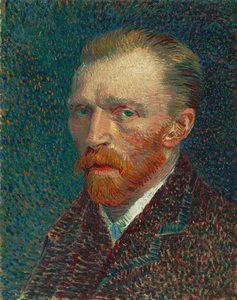
Вінсент Ван Гог
1853 - 1890 , Нідерланди
Короткі факти
- Artistic Movement Or Style: Пост-імпресіонізм
- Artists Or Movements Influenced By This Artist:
- Експресіонізм
- Фавлізм
- Artists Who Influenced This Artist:
- Рембрандт
- Жан-Фріц Мілет
- Date Of Birth: 30 березня 1853
- Date Of Death: 29 липня 1890
- Full Name: Vincent Willem van Gogh
- Nationality: Нідерландський
- Notable Artworks:
- Соняшники
- Зорі ніч
- Нічне кафе
- Place Of Birth: Зюндерт, Нідерланди
Пов'язані статті
The Golden Hue: Exploring Symbolism & Emotion in Yellow Art
Explore the rich symbolism & emotional power of yellow in art history! From Van Gogh to Kandinsky, discover how artists used this vibrant hue. Expert analysis & high-quality reproductions at OriginalUniqueArt.

Рембрандт ван Рейн: Топ-25 шедеврів для вашого дому | OriginalUniqueArt
Пориньте у світ Рембрандта ван Рейна! 25 культових шедеврів бароко, портретів та біблійних сцен. Купіть високоякісні репродукції картин Рембрандта для вашого дому на OriginalUniqueArt.com – музейне мистецтво онлайн!
Decoding Van Gogh's Turmoil: OriginalUniqueArt’s Masterful Reproductions of Emotional Depth
Discover exquisite Van Gogh reproductions from OriginalUniqueArt – expert art specialists offering museum-quality prints & custom paintings. Trust our authentic process and elevate your collection today.

Beyond Impressionism: Exploring the Emotional Depth of Post-Impressionist Painting
Explore the profound emotional depth & innovative techniques of Post-Impressionism with OriginalUniqueArt. Discover Cézanne, Van Gogh, Gauguin & more – and their lasting impact on modern art.

Топ-10 шедеврів постімпресіонізму: мистецтво, яке змінила епоху | OriginalUniqueArt.com
Відкрийте для себе 10 шедеврів постімпресіонізму від Ван Гога, Сезанна та інших геніїв! Історія мистецтва, унікальні техніки та емоційний вплив картин. Купуйте репродукції високої якості на OriginalUniqueArt.com та створіть свій неповторний інтер'єр.