
 Переглянути в інтер'єрі
 Надіслати як листівку
 Поділитися
 Деталі витвору
 Посібник

 Завантажити
 Схожі екземпляри
 Рентгенівське дослідження
 Слайд-шоу
 Питання та відповіді
 Статистика
Кавалер у дикого коня


 Розгорнути текст
Гікле / Художній принт
Друк جيкле або на полотні музейної якості з оперативним виготовленням та різноманітними варіантами фінішної обробки. ( Замовити картину ручної роботи Перейти до цифрових зображень)




P118B ₴10

P118H ₴10

P118W ₴10

P438Z ₴10

P508JH ₴12

P508YH ₴12

P805H ₴10

P805Z ₴10

P919BZ ₴10

P919G ₴10

P919XJ ₴10

P959ZH ₴10

P968JZ ₴12

W106C ₴8

W218G ₴10

W218JH ₴8

W218Y ₴10

W307PJ ₴10

W316G ₴10

W316PJ ₴8

W316Y ₴10

W398PJ ₴8

W4111J ₴10

W500HY ₴15

W500JH ₴15

W692G ₴12

W849H ₴8

W940BG ₴15

W953PJ ₴8




Обирайте з наших стандартних розмірів, що відповідають оригінальним пропорціям твору мистецтва.

Введіть необхідну ширину та висоту, щоб принт ідеально підійшов до вашої рами або стіни. Принт можна лише обрізати, але не можна зробити більшим за оригінал, тому при зміні пропорцій частина зображення буде втрачена. Перед друком ми надсилаємо вам цифровий макет для затвердження. Зображення на цій сторінці не відображає реальну обрізку — її можна побачити лише на макеті.
Доставка по всьому світу () за 2 тижні замість стандартних 4/5 тижнів. (4 Листопад)

Безкоштовна експрес-доставка по всьому світу

Високоякісне лляне полотно

Повне страхове покриття доставки

Гарантія повернення митних зборів

Гарантія точного відтворення кольорів

Політика повернення протягом 100 днів (лише у разі виявлення дефектів)

Гарантія повернення 100% коштів

Пропозиція на оптові замовлення
 Скляний варіант доступний лише для розмірів до 110 см

Кавалер у дикого коня
Гікле / Художній принт
Розмір репродукції
-


Підсумкова вартість
₴ 3644
Тхе Велика Сцена: Кавалеир при Збогнутом Коњу
Тхе Велика Сцена: Кавалеир при Збогнутом Коњу је веома значајна историјска композиција која представља утицајну радбу Тома Куотера из 1870-их година. Ова пејзажна сцена приказује битку код Вагена, док се кавалеир бори за победу и одбрану Француске током Друге француске револуције. Куотер је био веома критичан према традиционалним академским принципима и покушао је да створи свој стил који је био утицајан романтизмом и реализам, што се види у детаљној техници и реалистичном представљању историјског момента.- Стил и Техника: Куотер је био веома уметан у технике које су му биле на располагању, укључујући маслење на платну и репродукцију слике у високом квалитету. Иако је био критичан према академским конвенцијама, Куотер је био веома уважен према традиционалним методама рада и успео је да постигне изузетан резултат који је био утицајан својим временом.
- Историјски Контекст: Кавалеир при Збогнутом Коњу се одржава у контексту Друге француске револуције, која је била период великих политичких и војних преодабаци. Битка код Вагена представљала је кључну инцидента у историји Француске и Куотер је био веома заинтересован да представи ову сцену на начин који је био истински емоционалан и значајан.
- Симболизам: Кавалеир при Збогнутом Коњу има богат симболички контект. Кавалеир представља храброст и одбрану државе, док Збогнути коњ симболизује силу и динамику битке. Куотер је био веома уметан у коришћење симбола да би пренео своја емоционална осећања и да би створио слику која је била веома инспиративна за гледаоце.
- Емоционални Утицај: Кавалеир при Збогнутом Коњу је велики психолошки успех Куотера који је био утицајан својим временом. Слика преноси емоције храбрости, одбране и наде и остаје инспиративна за гледаоце и данас.
Питання та відповіді
Наскільки відомим є твір "Кавалер у дикого коня" автора Тома Кутурье?
Рівень популярності, зафіксований для «Кавалер у дикого коня» роботи Тома Кутурье, становить Визнаний.
Як стиль твору "Кавалер у дикого коня" відображає епоху його творця?
У «Кавалер у дикого коня» роботи Тома Кутурье стилістика Romantic Realism поєднується з епохою — XIX століття.
Який інтер'єр найкраще підкреслить кольори твору «Кавалер у дикого коня» роботи Тома Кутурье?
Кольорова палітра Землисті відтінки у творі «Кавалер у дикого коня» роботи Тома Кутурье ідеально підходить для рекомендованого інтер'єру: це Вітальня.
Біографія митця
A Rebel in the Atelier: The Life and Legacy of Thomas Couture
Thomas Couture (1815–1879) was a pivotal French Romantic & Realism painter renowned for historical scenes like ‘Romans During the Decadence.’ Influential teacher of Manet, Fantin-Latour & Puvis de Chavannes. Explore his art & legacy! Born in 1815 in Senlis, France, Thomas Couture emerged as a figure who defied artistic conventions while mastering traditional techniques—a painter destined to reshape the landscape of French art. His early life was marked by familial relocation to Paris, where he initially pursued studies at the École des Arts et Métiers before discovering his true vocation within the prestigious École des Beaux-Arts. However, Couture’s journey toward artistic recognition wasn't without obstacles; repeated rejection in the competition for the Prix de Rome—a coveted opportunity to reside at the Académie de France in Rome—fueled a conviction that the established art world was fundamentally flawed. Rather than succumbing to disappointment, these setbacks galvanized his determination and propelled him to forge an independent artistic path, establishing an atelier where he championed innovation and challenged academic dogma.The Decadence of Empires and a New Artistic Vision
Couture’s breakthrough arrived with *Romans During the Decadence* (1847), a monumental painting that captivated audiences at the Paris Salon and simultaneously provoked considerable debate. This artwork transcended mere historical depiction; it functioned as a searing social critique, deeply rooted in the satirical writings of Juvenal—a deliberate invocation of classical literature to portray the moral decay and opulent excess plaguing Roman society during its twilight years. The canvas pulsates with an unrestrained energy, figures draped in sumptuous fabrics amidst crumbling ruins—a calculated juxtaposition designed to mirror the perceived decadence gripping contemporary France under the Second Republic. Couture’s masterful manipulation of tonal contrasts—dark hues punctuated by brilliant highlights—intensified the dramatic impact and imbued the composition with profound symbolic weight. Critics hailed *Romans During the Decadence* for its boldness and originality, cementing Couture's reputation as a leading artist and establishing him as a formidable force within the Parisian art scene. It wasn’t simply technical prowess; it was an audacious assertion of artistic freedom—a refusal to conform to prescribed standards.A Teacher Shaping Artistic Souls
Beyond his own prolific output, Couture exerted considerable influence through his role as an educator. Recognizing the limitations of the École des Beaux-Arts' rigid formalism, he opened his atelier to a diverse cohort of aspiring artists—rejecting conventional instruction and fostering an environment conducive to experimentation and critical thought. Among Couture’s most celebrated pupils were luminaries who would become cornerstones of modern art: Édouard Manet, whose groundbreaking approach to painting—characterized by loose brushwork and rejection of academic conventions—bore the indelible stamp of Couture's pedagogical philosophy; Henri Fantin-Latour, renowned for his evocative portraits and masterful depictions of still lifes; Pierre Puvis de Chavannes, a pioneer of Symbolism who championed emotive expression over meticulous detail; and John La Farge, an innovator in stained glass whose artistic vision anticipated the aesthetic sensibilities of the early twentieth century. Couture’s teaching methods were deliberately unconventional, encouraging students to cultivate their individual voices while grounding them firmly in foundational principles of draftsmanship and composition. He insisted on “quick painting,” anticipating techniques later embraced by Impressionists—a testament to his foresight and unwavering belief in artistic intuition.Later Years and Enduring Legacy
Disillusioned with the Parisian art world’s entrenched conservatism, Couture retreated to his birthplace of Senlis in 1860—continuing to teach and create until his death in 1879. He codified his artistic convictions in *Méthode et entretiens d'atelier* (Method and Workshop Interviews), published in 1867—a seminal treatise that offered a scathing critique of academic dogma and advocated for an approach prioritizing direct observation from life. This work, subsequently translated into English as *Conversations on Art Methods*, provided invaluable insight into Couture’s pedagogical principles and artistic beliefs—demonstrating his unwavering commitment to fostering genuine creativity and challenging accepted norms. Though he faced criticism during his lifetime for daring to disrupt established traditions, Couture's impact on the trajectory of modern art remains undeniable. He nurtured a generation of artists who embraced innovation and championed expressive freedom—leaving an enduring legacy that extends far beyond his own captivating paintings—a testament to his transformative influence on the artistic landscape of France and its broader cultural heritage.
Тома Кутурье
1815 - 1879 , Франція
Короткі факти
- Artistic Movement Or Style: Романтизм і Реалізм
- Artists Or Movements Influenced By This Artist:
- Едуард Мане
- Жан Ла Фарж
- Artists Who Influenced This Artist:
- Антоан Жорж Грос
- Пол Деларох
- Date Of Birth: 21 грудня 1815 р.
- Date Of Death: 30 березня 1879 р.
- Full Name: Thomas Couture
- Nationality: Француз
- Notable Artworks:
- Римляни під розквітом імперії
- Поєдинок після маскового балу
- Адвокат йде в суд
- Place Of Birth: Сенліс, Франція
Пов'язані статті

Romantic Realism's Finest: 10 Masterpieces for Your Home | OriginalUniqueArt
Explore 10 defining masterpieces of Romantic Realism! Discover Courbet, Millet & Daumier's powerful paintings—capturing emotion and social realities. Find museum-quality reproductions for your home at OriginalUniqueArt.com.
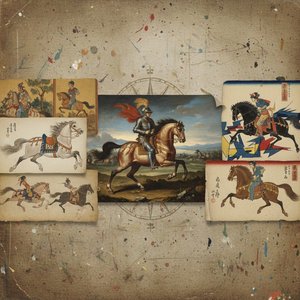
The Noble Steed on Canvas: A Historical & Artistic Exploration of Horse Painting Across Cultures
Explore the rich history of horse painting! Discover masterpieces from Stubbs to Munnings & learn about symbolism, techniques & artists. Find museum-quality reproductions at OriginalUniqueArt.

Romantic Realism: The Masterful Fusion of Raw Emotion and Hyper-Realistic Detail for the Modern Collector
Discover the captivating world of Romantic Realism. Explore how master artists blend raw emotion with hyper-realistic detail to create timeless, museum-quality oil paintings perfect for sophisticated modern collectors and luxury home interiors.
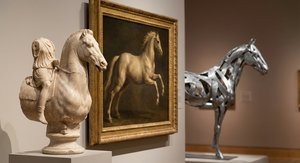
The Noble Steed: A Historical and Artistic Exploration of Horses in Fine Art
Explore the rich history of horses in fine art! From ancient depictions to Renaissance masterpieces & beyond, discover iconic artworks and artists. Learn about symbolism, techniques, and find museum-quality reproductions at OriginalUniqueArt.
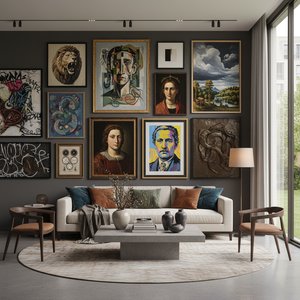
Топ-10 картин, що вражають драматизмом: мистецтво для вашого інтер'єру | OriginalUniqueArt.com
Відкрийте для себе 10 найдраматичніших картин в історії мистецтва! Караваджо, Мунк, Ван Гог та інші майстри. Історія створення шедеврів, емоції та техніки живопису. Репродукції високої якості для вашого інтер'єру на OriginalUniqueArt.com


