
 Переглянути в інтер'єрі
 Надіслати як листівку
 Поділитися
 Детальніше

 Завантажити
 Схожі експонати
 Рентгенівське дослідження
 Слайд-шоу
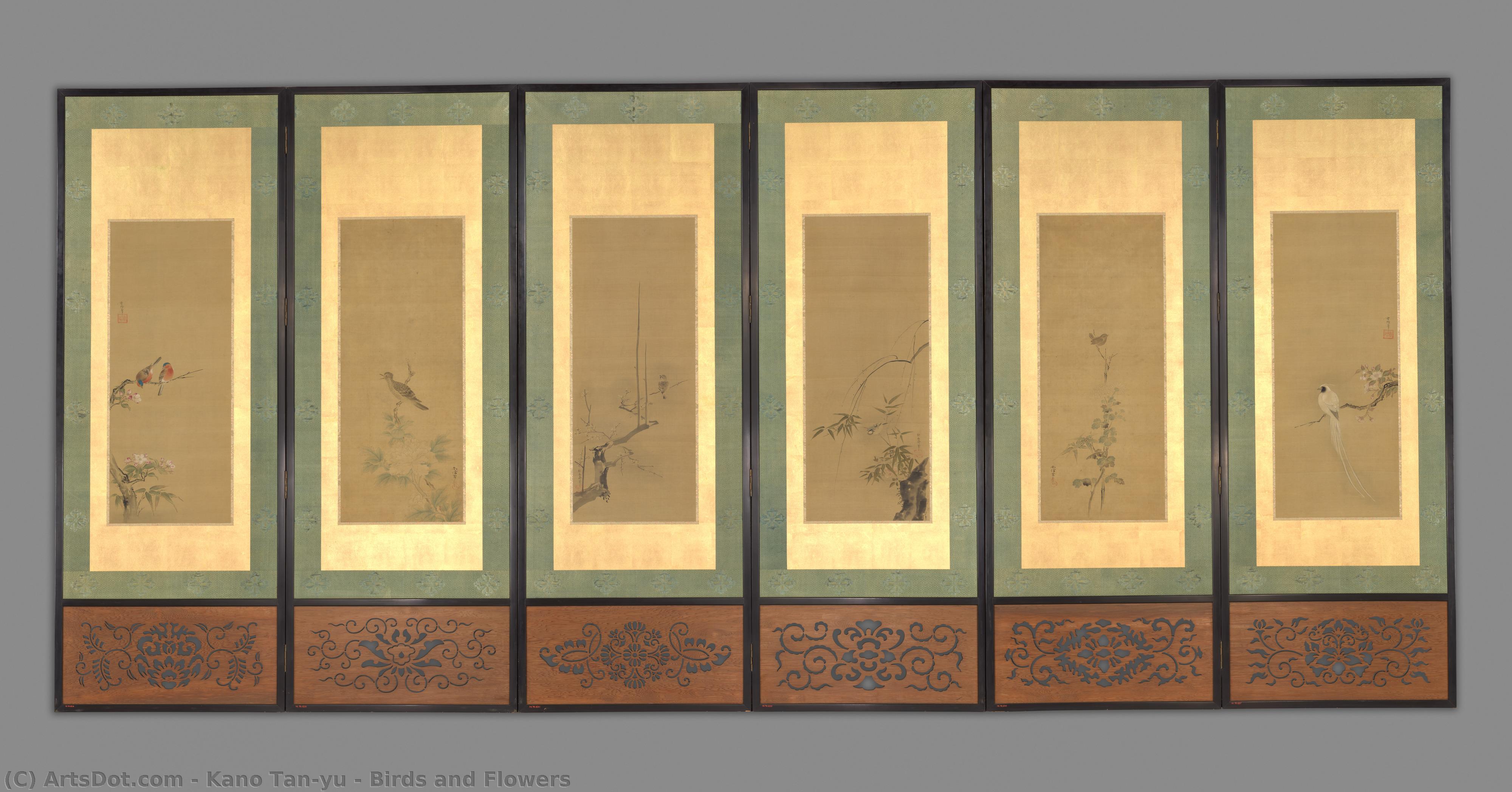
Birds and Flowers
 601
601 178.0cm x 395.0cm
 Читати далі
Олійная репродукція ручної роботи
Написана вручну олією на полотні у вашому розмірі та рамі, виготовлена на замовлення нашими художниками. ( Замовити принт Купити цифрове зображення)




































Обирайте з наших стандартних розмірів, що відповідають оригінальним пропорціям твору мистецтва.

Ви можете вказати власні розміри, щоб репродукція ідеально підійшла до конкретної рами або інтер'єру. Якщо вибраний вами розмір не відповідає пропорціям оригіналу, ми або обріжемо полотно, або доповнимо картину додатковими елементами, промальованими вручну. Цифровий макет буде надіслано вам на затвердження перед початком виробництва.
Зверніть увагу, що попередній перегляд на екрані не відображає фактичне обрізання або розширення зображення. Тільки макет точно покаже остаточну композицію.
Хоча ми можемо виготовити виріб у нестандартному розмірі, для збереження оригінальних пропорцій рекомендуємо обирати варіанти зі встановленого списку.
Після оформлення замовлення команда OriginalUniqueArt.com зв'яжеться з клієнтом електронною поштою для отримання інструкцій та надасть попередній макет
Доставка по всьому світу () за 3–4 тижні замість стандартних 5 тижнів. (15 Серпень). Без жодних компромісів у якості.

Безкоштовна експрес-доставка по всьому світу

Високоякісне лляне полотно

Повне страхове покриття доставки

Гарантія відшкодування митних зборів

Гарантія точного відтворення кольорів

Політика повернення протягом 60 днів (лише у разі виявлення дефектів)

Гарантія повернення 100% коштів

Пропозиція на оптові замовлення
 Скляний варіант доступний лише для розмірів до 110 см

Birds and Flowers
Матеріал репродукції
Розмір репродукції
-


Підсумкова вартість
$ 300
Опис твору
Introduction to the Kanō School Style Art Movement
The Kanō school style art movement is one of the most famous schools of Japanese painting, with a history that spans from the late 15th century to the Meiji period. The school was founded by Kanō Masanobu and produced a string of major artists over several generations, including Kanō Motonobu, Kanō Eitoku, and Kanō Tan'yu. The Kanō school began by reflecting a renewed influence from Chinese painting but developed a brightly coloured and firmly outlined style for large panels decorating the castles of the nobility which reflected distinctively Japanese traditions. This style was characterized by strong outlines, bold colours, and extensive use of gold leaf, creating a visual impact that was both impressive and luxurious.Kano Tan'yu: A Foremost Kanō Painter
Kanō Tan'yu was one of the foremost Kanō painters of the Tokugawa period, with many of the best known Kanō works today being by him. He was appointed by the Tokugawa shogunate to become the shogunate's first official painter and created a number of large-scale works for Edo Castle, Nijō Castle, Osaka Castle, Nagoya Castle, and Nikkō Tōshō-gū. Birds and Flowers is one of Tan'yu's most famous works, depicting natural subjects such as birds and plants in bright colors and with extensive use of gold leaf. The painting exemplifies the Kanō school's style, which was characterized by strong outlines, bold colours, and extensive use of gold leaf, creating a visual impact that is both impressive and luxurious.The Art of Japanese Paper
Japanese art covers a wide range of styles and media, including ancient pottery, sculpture, ink painting and calligraphy on silk and paper, ukiyo-e paintings and woodblock prints, ceramics, origami, bonsai, and more recently manga. The use of paper as a medium for art in Japan has a long history, dating back to the 7th century when Buddhist monks introduced papermaking techniques from China. Birds and Flowers is an example of ink painting on paper, a popular form of Japanese art that emphasizes simplicity, elegance, and harmony with nature. The use of ink and water creates a sense of movement and fluidity, while the minimalist composition draws attention to the beauty and detail of the subject matter.Conclusion
The Kanō school style art movement was a dominant force in Japanese painting for several centuries, producing some of the most impressive and luxurious works of art in Japanese history. Its influence can still be seen today in many modern Japanese paintings, which continue to draw on the traditions and techniques developed by the Kanō school. If you are interested in learning more about the Kanō school style art movement or other Japanese art movements, please visit our website OriginalUniqueArt.com for a wide selection of hand-made oil painting reproductions. Note: All images and content are subject to copyright by their respective owners and licensors. While we make every effort to ensure the accuracy and reliability of our information, OriginalUniqueArt.com makes no representations or warranties as to the accuracy, completeness, or timeliness of the information contained on this website.Біографія митця
Early Life and Lineage
Kanō Tan’yū, born in Kyoto in 1602, emerged from a lineage steeped in the traditions of the Kanō school—the most influential force in Japanese painting for centuries. His father, Kano Takanobu, was a prominent artist within this established system, and Tan’yū inherited not only his artistic skill but also a profound understanding of the aesthetic principles that had defined generations of painters. The Kanō school, originating with Kanō Masanobu in the 15th century, blended elements of Zen Buddhism, Chinese landscape painting, and classical Japanese styles. Tan'yū’s early training would have been rigorous, focusing on meticulous brushwork, an understanding of compositional balance, and a deep respect for historical precedents. However, he wasn’t simply destined to replicate the past; his career would be marked by a unique synthesis of tradition and innovation.
The Kajibashi Style and Shogunate Patronage
At the remarkably young age of seventeen, Tan’yū received an appointment as painter to the Tokugawa shogunate. This pivotal moment dramatically altered the course of his artistic development. He was granted an estate in Edo (modern-day Tokyo) called Kajibashi, and it became synonymous with a distinct branch of the Kanō school—the Kajibashi-Kano style. This patronage wasn’t merely financial; it came with the responsibility of establishing a new visual language that reflected the power and authority of the shogunate. Tan'yū responded by deliberately returning to earlier, more restrained forms of Kanō painting, eschewing some of the flamboyant excesses that had crept into the style during the late 16th century. He favored historical subjects—particularly those embodying Confucian ethical precepts—and landscapes imbued with a sense of solemn dignity.
Large-Scale Commissions and Architectural Decoration
Tan’yū's influence extended far beyond individual paintings; he became renowned for his large-scale decorative projects within the castles and palaces of the Tokugawa regime. He left an indelible mark on Nijō Castle in Kyoto, decorating its walls with scenes that celebrated the shogunate’s authority and legitimacy. Similar commissions followed at Nagoya Castle and the Kyoto Imperial Palace. These weren't isolated artistic endeavors; they were integral to the political messaging of the era. The paintings served as powerful visual statements, reinforcing the shogun’s position and projecting an image of stability and cultural refinement. His approach involved not only his own hand but also that of a growing workshop—a testament to the scale of these undertakings and his role as a master organizer.
Themes and Techniques: A Synthesis of Tradition
Tan'yū’s paintings are characterized by a remarkable balance between technical virtuosity and philosophical depth. He excelled in both monochrome ink wash painting (sumi-e) and colorful, detailed compositions. His subject matter often revolved around historical figures—Confucius and his disciples being particularly favored—and scenes from nature, such as landscapes populated with tigers, birds, and bamboo. The tiger motif, for example, wasn’t simply a display of artistic skill; it symbolized courage, strength, and protection—qualities highly valued by the warrior class. His technique involved meticulous brushwork, subtle gradations of tone, and a masterful use of negative space. He was also known for his numerous sketches of flora and fauna, demonstrating an acute observational ability that informed his larger compositions. His style is often described as conservative, but this conservatism wasn’t stagnation; it was a deliberate effort to revive the core principles of the Kanō school while adapting them to the needs of his time.
Legacy and Historical Significance
Kanō Tan’yū died in Edo in 1674, leaving behind a legacy that profoundly shaped Japanese painting for generations. He established the dominant style of Edo-period art, laying the foundation for a vast organization of official shogunate painters. His emphasis on historical subjects and Confucian values resonated with the ruling class, solidifying his position as a cultural icon. While later artists would explore new avenues of expression, Tan’yū's influence remained pervasive. He is remembered not only as a skilled painter but also as a master collector, a shrewd administrator, and a pivotal figure in the development of Japanese art history. His work continues to be admired for its technical brilliance, philosophical depth, and enduring aesthetic appeal.

kano tan'yū
1602 - 1674
Короткі факти
- Artistic Movement Or Style: Kanō school, Momoyama style
- Artists Or Movements Influenced By This Artist: ['Later Kanō artists']
- Artists Who Influenced This Artist: ['Kano Takanobu']
- Date Of Birth: 1602
- Date Of Death: 1674
- Full Name: Kanō Tan'yū
- Nationality: Japanese
- Notable Artworks:
- Bluish-Green Fish Scales
- Summer Landscape
- Squirrel on Bamboo
- Confucius and Two Disciples

