Переглянути в інтер'єрі
 Надіслати як листівку
 Поділитися
 Деталі витвору
 Посібник

 Завантажити
 Схожі екземпляри
 Рентгенівське дослідження
 Слайд-шоу
 Q&A
Q&A Статистика
Святий Йосип
 Олія на панелі
- Настінний декор
- Ранньонідерландський Ренесанс
 1445
1445- — Відродження
 21.0 x 18.0 cm
 Музей имени Гулбенкиана
 Розгорнути текст
Гікле / Художній принт
Друк جيкле або на полотні музейної якості з оперативним виготовленням та різноманітними варіантами фінішної обробки. ( Замовити картину ручної роботи Перейти до цифрових зображень)




P118B ₴10

P118H ₴10

P118W ₴10

P438Z ₴10

P508JH ₴12

P508YH ₴12

P805H ₴10

P805Z ₴10

P919BZ ₴10

P919G ₴10

P919XJ ₴10

P959ZH ₴10

P968JZ ₴12

W106C ₴8

W218G ₴10

W218JH ₴8

W218Y ₴10

W307PJ ₴10

W316G ₴10

W316PJ ₴8

W316Y ₴10

W398PJ ₴8

W4111J ₴10

W500HY ₴15

W500JH ₴15

W692G ₴12

W849H ₴8

W940BG ₴15

W953PJ ₴8




Обирайте з наших стандартних розмірів, що відповідають оригінальним пропорціям твору мистецтва.

Введіть необхідну ширину та висоту, щоб принт ідеально підійшов до вашої рами або стіни. Принт можна лише обрізати, але не можна зробити більшим за оригінал, тому при зміні пропорцій частина зображення буде втрачена. Перед друком ми надсилаємо вам цифровий макет для затвердження. Зображення на цій сторінці не відображає реальну обрізку — її можна побачити лише на макеті.
Доставка по всьому світу () за 2 тижні замість стандартних 4/5 тижнів. (30 Жовтень)

Безкоштовна експрес-доставка по всьому світу

Високоякісне лляне полотно

Повне страхове покриття доставки

Гарантія повернення митних зборів

Гарантія точного відтворення кольорів

Політика повернення протягом 100 днів (лише у разі виявлення дефектів)

Гарантія повернення 100% коштів

Пропозиція на оптові замовлення
 Скляний варіант доступний лише для розмірів до 110 см

Святий Йосип
Гікле / Художній принт
Розмір репродукції
-


Підсумкова вартість
₴ 3586
Вікно в благочестя: Тиха велич Святого Йосипа
У приглушеній атмосфері середини XV століття мало хто з митців міг так майстерно зафіксувати перетин людської вразливості та божественної благодаті, як Рогір ван дер Вейден. Його картина, Святий Йосип, завершена близько 1445 року, є набагато більшим, ніж просто релігійним портретом; це глибока медитація на тему самоспоглядання та віри. Коли глядач дивиться на цей інтимний твір, виникає миттєве відчуття залучення у приватний момент роздумів. Предмет зображення, шанований батько Ісуса, постає не в момент грандіозного видовища, а в стані тихої гідності. Одягнений у вражаючий червоний капелюх та глибоку синю мантію з м'яким капюшоном, Святий Йосип дивиться у вікно, і його погляд натякає на розум, занурений у молитву, або, можливо, на спостереження за ледь помітними рухами зовнішнього світу. Це відчуття нерухомості є майже відчутним, пропонуючи притулок спокою, який продовжує захоплювати колекціонерів та декораторів, що шукають предмети, які приносять душевну, споглядальну енергію в сучасний інтер'єр.Алхімія світла та деталізації
Блиск цього шедевра полягає у надзвичайній технічній майстерності Ван дер Вейдена — навичці, ймовірно, відточеній під час його ранніх років роботи ювеліром. Досвід роботи з дорогоцінними металами дозволив йому підходити до полотна з неперевершеним оком до текстури та люмінесценції. Завдяки кропітливому нанесенню напівпрозорих лессировок він досяг рівня реаліму, який був революційним для ранньонідерландського періоду. Можна майже відчути вагу важкої тканини синьої мантії та помітити тонку гру світла на обличчі святого, попорізаному часом. Ця техніка не просто відтворює реальність; вона створює внутрішнє сяйво, духовний блиск, який, здається, виходить із самої постаті. Для досвідченого ока ретельне відтворення кожної складки та тіні слугує свідченням здатності художника перетворювати олію та пігмент на живу, дихаючу присутність.Символізм та дух Фландрії
Окрім своєї технічної пишності, Святий Йосип глибоко вкорінений у культурному та релігійному запалі Фландрії XV століття. У цю епоху регіон був процвітаючим центром торгівлі та побожності, де мистецтво слугувало мостом між земним і божественним. Композиція картини — з ледь помітними постатями на задньому плані та тендітною пташкою в кутку — додає розповіді шарів символічної глибини. Вікно слугує потужною метафорою порогу між внутрішнім світом душі та зовнішнім світом творіння. В епоху, коли Святий Йосип уособлював чесноти смирення, праведності та непохитного захисту, цей портрет виступає як візуальна проповідь про красу життя, прожитого в тихому благочесті. Для тих, хто прагне прикрасити простір мистецтвом, що виходить за межі простого декору, ця робота пропонує позачасовий зв'язок із глибокою емоційною та духовною спадщиною Північного Відродження.Питання та відповіді
Яка техніка виконання у «Святий Йосип» роботи Рогорій ван дер Вейден?
«Святий Йосип» виконано в техніці Олія на панелі.
Який відтінок переважає у творі "Святий Йосип"?
Переважаючий відтінок твору «Святий Йосип» роботи Рогорій ван дер Вейден — Гама золотисто-жовтих тонів. Цей колір є основою всієї палітри.
Чому статус авторського права на "Святий Йосип" саме такий?
«Святий Йосип» за авторством Рогорій ван дер Вейден перебуває у є суспільним надбанням — термін дії авторського права закінчився. Термін дії авторського права розраховується з року смерті митця; Рогорій ван дер Вейден помер(ла) у 1464.
Біографія митця
A Master of Emotion: The Life and Legacy of Rogier van der Weyden
Rogier de la Pasture – known to history as Rogier van der Weyden – emerged from the bustling city of Tournai, Belgium, around 1400, as a pivotal figure in the burgeoning world of Early Netherlandish painting. While the details of his early life remain somewhat shrouded in mystery, it’s believed he initially honed his skills not with brush and pigment alone, but through a rigorous apprenticeship as a goldsmith. This formative training instilled within him an unwavering dedication to meticulous detail and a refined sensibility for craftsmanship – qualities that would become instantly recognizable hallmarks of his artistic style. The precision demanded by working with precious metals undoubtedly translated into the exquisite rendering of textures, fabrics, and expressions that define his most celebrated masterpieces. He wasn’t merely depicting reality; he was meticulously recreating it, imbued with an almost reverent attention to detail, striving to capture not just what *was*, but how it *felt*.From Tournai to Brussels: A Rising Star
By 1427, van der Weyden had ascended to the rank of master within the esteemed Guild of Saint Luke in Tournai – a significant milestone that solidified his position as a professional artist and opened doors to prestigious commissions. His rise continued dramatically when he entered the service of Philip the Good, Duke of Burgundy, in 1435 – a patronage that would profoundly shape his career for the remainder of his life. Serving as court painter afforded him not only financial security and access to an elite circle of influence but also exposure to some of the most discerning eyes of the era. It was during this period, amidst the opulent courts of Burgundy, that van der Weyden’s artistic vision truly began to mature, moving away from the somewhat rigid conventions of earlier Netherlandish painters towards a more emotionally resonant and naturalistic approach. He wasn't simply painting religious scenes; he was striving to evoke genuine feeling in the viewer, to create an experience that transcended mere observation – a profound shift in the way art engaged with its audience.The Language of Feeling: Style and Technique
Rogier van der Weyden’s artistic signature is immediately recognizable through several defining characteristics. His palette was remarkably rich and diverse, a vibrant tapestry of colors carefully chosen to avoid repetition and create depth and complexity within his compositions. He possessed an extraordinary ability to convey profound emotion – *pathos* – particularly in depictions of religious subjects like the *Lamentation*, where grief and sorrow are palpable. This emotional intensity wasn’t achieved through dramatic gestures or exaggerated expressions; rather, it was subtly woven into the very fabric of the painting, conveyed through delicate nuances of facial expression, body language, and composition. His figures, while adhering to the conventions of the time – often depicted with a dignified, almost sculptural quality – demonstrate a growing interest in realistic representation – not just in anatomy and drapery, but also in capturing the psychological states of his subjects. They possess an air of solemnity and reverence, lending them a timeless quality. He masterfully employed oil paint, building up layers of translucent glazes to achieve luminous effects and create a sense of depth and realism that was revolutionary for its time. The use of *chiaroscuro* – the dramatic interplay of light and shadow – further heightened the emotional impact of his works.Notable Works and Enduring Masterpieces
Throughout his prolific career, van der Weyden produced numerous works that stand as testaments to his artistic prowess. *St Luke Drawing a Portrait of the Madonna*, housed in the Museum of Fine Arts, Boston, showcases his mastery of oil on panel and meticulous observation. The *Lamentation*, residing in the Musée des Beaux-Arts Tournai, Belgium, is perhaps his most celebrated work – a powerfully emotive depiction of Christ’s mourning, renowned for its dramatic use of *chiaroscuro* and its ability to evoke profound sorrow in the viewer. Multiple versions of *The Deposition* exist, each demonstrating his skill in conveying grief and drama with breathtaking sensitivity. The *Annunciation*, a masterpiece of refined style and attention to detail, exemplifies his ability to imbue even the most traditional subjects with a sense of freshness and vitality. And finally, the intricate and richly detailed *Bladelin Triptych* stands as a monumental achievement – a complex altarpiece that showcases the full range of van der Weyden’s artistic abilities. These works, and many others, continue to captivate audiences today, solidifying his position as one of the most important painters of the 15th century.Lasting Influence: A Legacy Forged in Paint
Van der Weyden's influence extended far beyond the borders of his native Flanders. His works were highly sought after throughout Europe, particularly in Italy and Spain, where they introduced a new level of emotional depth and naturalism to local artistic traditions. Although his fame experienced a period of relative decline in the 17th century, a rediscovery during the 19th century cemented his place as one of the most important painters of the 15th century. He stands alongside Jan van Eyck and Robert Campin as one of the “three great” Early Flemish masters, each contributing uniquely to the development of Northern Renaissance art. His innovative techniques and emotionally charged compositions paved the way for future generations of artists, inspiring countless imitators and influencing the course of Western painting for centuries to come. He helped establish oil painting as the dominant medium and elevated the status of the artist within society, transforming them from skilled craftsmen into revered creators. Rogier van der Weyden’s legacy continues to resonate today, a testament to his enduring genius and his profound understanding of the human condition.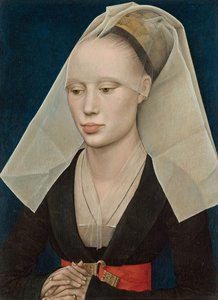
Рогорій ван дер Вейден
1400 - 1464 , Бельгія
Короткі факти
- Artistic Movement Or Style: Ранньонідерландське живопис
- Artists Or Movements Influenced By This Artist:
- Італьянський Ренесанс
- Іспанська живопис
- Artists Who Influenced This Artist:
- Робер Кампін
- Ян ван Ейк
- Date Of Birth: c. 1400
- Date Of Death: 1464
- Full Name: Rogier van der Weyden
- Nationality: Бельгійський
- Notable Artworks:
- Скорбна сцена
- Плачуща Діва
- Поховання Христа
- Place Of Birth: Tournai, Бельгія
Пов'язані статті

The Allure of Azure: Exploring the Symbolic & Aesthetic Depths of Blue in Art History
Explore the rich history of blue in art! Discover its symbolism, from ancient pigments to modern masterpieces by Kandinsky & Seurat. Uncover the psychological impact and cultural meanings behind this captivating hue.

Liquid Vibes: Bold Water Landscapes & Deep Blue Textures to Level Up Your Space
Elevate your space with bold water landscapes and deep blue textures. Discover trending abstract art, from sculptural textiles to premium oil reproductions, designed to bring high-impact, liquid vibes to modern urban interiors.

Crimson Threads of Narrative: Exploring Symbolism & Representation in Artworks Featuring the Red Dress
Explore the rich symbolism of the red dress in art history! From ancient power displays to iconic portraits like Cézanne’s 'Madame Cezanne', discover the cultural and artistic significance behind this captivating color. Expert analysis & insights.

Serene Blue Backgrounds: Discover Soulful Art to Transform Your Space with Timeless Elegance
Transform your home with soulful blue art. From serene Monet impressions to modern textured sculptures, discover curated masterpieces designed to inspire calm. Explore expert art consultations and bespoke hand-painted reproductions to create your personal sanctuary.

Топ-10 знаменитих картин у відтінках сіро-блакитного: мистецтво для вашого дому
Пориньте у світ сіро-блакитного кольору! Від Моне до Ренуара – топ-10 знаменитих картин, що зачаровують глибиною відтінків. Історія мистецтва, техніки та натхнення для вашого дому. Знайдіть репродукцію мрії на OriginalUniqueArt.com!