Переглянути в інтер'єрі
 Надіслати як листівку
 Поділитися
 Детальніше

 Завантажити
 Схожі експонати
 Рентгенівське дослідження
 Слайд-шоу
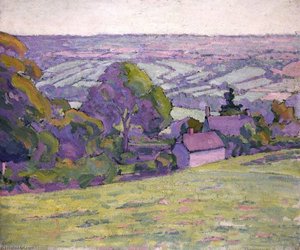
Долина Девонширська №1
 Олія на полотні
- Настінне мистецтво
- British Post-Impressionism
 1913
1913 20.0 x 24.0 cm
 Royal Albert Memorial Museum
 Читати далі
Олійная репродукція ручної роботи
Написана вручну олією на полотні у вашому розмірі та рамі, виготовлена на замовлення нашими художниками. ( Замовити принт Купити цифрове зображення)




P118B $10

P118H $10

P118W $10

P438Z $10

P508JH $12

P508YH $12

P805H $10

P805Z $10

P919BZ $10

P919G $10

P919XJ $10

P959ZH $10

P968JZ $12

W106C $8

W218G $10

W218JH $8

W218Y $10

W307PJ $10

W316G $10

W316PJ $8

W316Y $10

W398PJ $8

W4111J $10

W500HY $15

W500JH $15

W692G $12

W849H $8

W940BG $15

W953PJ $8




Обирайте з наших стандартних розмірів, що відповідають оригінальним пропорціям твору мистецтва.

Ви можете вказати власні розміри, щоб репродукція ідеально підійшла до конкретної рами або інтер'єру. Якщо вибраний вами розмір не відповідає пропорціям оригіналу, ми або обріжемо полотно, або доповнимо картину додатковими елементами, промальованими вручну. Цифровий макет буде надіслано вам на затвердження перед початком виробництва.
Зверніть увагу, що попередній перегляд на екрані не відображає фактичне обрізання або розширення зображення. Тільки макет точно покаже остаточну композицію.
Хоча ми можемо виготовити виріб у нестандартному розмірі, для збереження оригінальних пропорцій рекомендуємо обирати варіанти зі встановленого списку.
Після оформлення замовлення команда OriginalUniqueArt.com зв'яжеться з клієнтом електронною поштою для отримання інструкцій та надасть попередній макет
Доставка по всьому світу () за 3–4 тижні замість стандартних 5 тижнів. (21 Серпень). Без жодних компромісів у якості.

Безкоштовна експрес-доставка по всьому світу

Високоякісне лляне полотно

Повне страхове покриття доставки

Гарантія відшкодування митних зборів

Гарантія точного відтворення кольорів

Політика повернення протягом 60 днів (лише у разі виявлення дефектів)

Гарантія повернення 100% коштів

Пропозиція на оптові замовлення
 Скляний варіант доступний лише для розмірів до 110 см

Долина Девонширська №1
Матеріал репродукції
Розмір репродукції
-


Підсумкова вартість
$ 300
Опис твору
Robert Polhill Bevan та Візуальне Мистецтво початку XX Століття: Розкриття Духу Камертонного Групу
Robert Polhill Bevan (1865–1925) – британський живописець і засновник Камертонської групи, постає як ключова фігура в переході від імпресіонізму до більш радикальних досліджень кольору та форми у мистецтві початку XX століття. Його творчість була сповнена експериментів, що черпали натхнення з різних європейських культур, але водночас зберігала неповторну особистісну філософію живопису, яка значно вплинула на розвиток сучасного мистецтва у Великобританії. Раннє навчання у Вестмінстерській Школі Мистецтв під керівництвом Фреда Брауна забезпечило міцний фундамент для його майбутньої кар'єри, але справжній творчий спалах він отримав під час навчання в Академії Жюліан у Парижі. Там він зустрічається з колоною талановитих художників – П… (Текст буде продовжено нижче)- Стиль: Постімпресіонізм із елементами Фавбізму. Bevan активно експериментував із кольором, віддаючи перевагу насиченим та контрастним тонам, що характерно для фавбістівського напрямку. Цей стиль відображає прагнення до передачі емоційного стану та суб'єктивного сприйняття світу художником.
- Техніка: Олійний живопис на полотні. Bevan майстерно володів технікою олії, що дозволяло йому досягти великої деталізації та реалістичної передачі текстури матеріалів у своїй картині "А Девонширська Долина №1".
- Композиція: Лаконічна композиція з центральним деревом і фоновими елементами ландшафту. Композиція картини продумана до найдрібніших деталей, що сприяє зосередженню уваги глядача на головному об'єкті зображення та створює відчуття гармонії та спокою.
- Історичний контекст: Картина була створена у 1913 році в період активного розвитку британського модернізму та формування Камертонської групи художників, яка прагнула відновити традиції живопису XIX століття з використанням нових методів та матеріалів.
- Символізм: Дерева у картині символізують силу життя та природну красу, а також можуть представляти духовний розвиток людини. Годинник у верхньому правому кутку підкреслює важливість часу та миті в житті художника та глядача.
Девонширська Долина №1: Детальний Розгляд Техніки та Кольорової Палітри
Картина "А Девонширська Долина №1" виконана в техніці олії на полотні і демонструє особливу увагу до передачі природного світла та тіней. Bevan використовував широкий спектр кольорів, включаючи зелені відтінки трави та листя дерев, червоний колір даху будинку та золотисті тони сонячного проміння. Ці кольори були ретельно підібрані художником для створення певного емоційного настрою та передачі атмосфери літньої долини. Малярська техніка Bevan характеризується високою деталізацією та реалістичною передачею текстури матеріалів, що робить картину особливо цінною для колекціонерів та любителів мистецтва.Камертонська Група та Роберт Пойлхен Бевен: Мистецтво як Вираження Духу Епохи
Роберт Пойлхен Бевен був одним із засновників Камертонської групи художників, яка стала символом британського модернізму початку XX століття. Група прагнула відновити традиції живопису XIX століття з використанням нових методів та матеріалів, але водночас експериментувала зі стилями та техніками, що характерно для сучасного мистецтва. Картина "А Девонширська Долина №1" є яскравим прикладом творчості Камертонської групи та відображає її філософію мистецтва як засобу вираження духу епохи та передачі емоційного стану художника.Додаткова Інформація
Картина була придбана з Томаса Агню та Сонсів із фінансування Королівського Альбертівського Музею та Художньої Галереї Вікторії й Альбертини у 1968 році. Згідно з інформацією Камертонської групи, вона має номер атрибуції 262/1968 і була виконана в техніці олії на полотні.Біографія митця
Robert Polhill Bevan (1865–1925): British Painter & Camden Town Group Founder
Robert Polhill Bevan, born in Hove in 1865, occupies a pivotal yet often understated position within the narrative of early 20th-century British art. Emerging from a Quaker background steeped in banking connections – his parents were Richard Alexander Bevan and Laura Maria Polhill – he defied conventional expectations to become a daring innovator, a key figure in the transition from Impressionism towards more radical explorations of color and form. His journey was one of constant experimentation, absorbing influences from across Europe while forging a distinctly personal artistic vision that would profoundly impact the development of modern art in Britain. Bevan’s early education at Westminster School of Art under Fred Brown provided a solid foundation, but it was his subsequent studies at the Académie Julian in Paris that truly ignited his creative spark. There, he encountered a constellation of rising stars – Paul Sérusier, Pierre Bonnard, Édouard Vuillard, and Maurice Denis – artists who were challenging academic conventions and embracing new approaches to painting. These encounters proved formative, exposing Bevan to the principles of synthetism and laying the groundwork for his future explorations.Brittany, Fauvism, and The Pursuit of Pure Color
The influence of Brittany on Bevan’s artistic development cannot be overstated. Two significant journeys in 1890 and 1891 immersed him in the atmosphere of Pont-Aven, a small coastal town that had become a magnet for artists seeking an alternative to Parisian salon culture. The bold colors and simplified forms championed by artists like Gauguin resonated deeply with Bevan, influencing his early drawings and prints. He was particularly drawn to the expressive use of pigment—a deliberate rejection of Impressionistic optical blending—and sought to capture the essence of Breton landscape through a technique that prioritized color over meticulous detail. This fascination with pure color foreshadowed the emergence of Fauvism on the continent, demonstrating Bevan’s willingness to embrace artistic movements that prioritized emotional impact and visual vibrancy. His painting “Courtyard” stands as a remarkable example of this proto-Fauvist approach, showcasing his bold chromatic palette and expressive brushwork—a stylistic choice that distinguished him from many of his contemporaries. The encounter with Gauguin wasn't merely inspirational; it fundamentally altered Bevan’s artistic sensibilities, prompting him to reconsider the role of color in conveying emotion and capturing the immediacy of experience.The Camden Town Group & Collaborative Artistic Vision
Bevan was not an artist who worked alone; he actively sought connection with like-minded individuals, playing a crucial role in the formation of several influential art groups. As a founding member of the Camden Town Group—alongside artists such as Spencer Gore and Charles Ginner—he joined forces with fellow painters determined to depict modern urban life and challenge established artistic norms. This collective spirit extended to his involvement with the London Group and the Cumberland Market Group, further demonstrating his commitment to progressive artistic movements. The group’s aim was to move beyond traditional academic painting, exploring new techniques and subjects that reflected the realities of contemporary British society—a bold undertaking that demanded a willingness to experiment and embrace unconventional approaches. Bevan's collaboration with fellow artists fostered a dynamic exchange of ideas, shaping his artistic vision and contributing to the broader evolution of British art during this period. He was particularly interested in capturing the atmosphere of London’s Camden Town—a vibrant hub of bohemian culture—through canvases infused with bold color and expressive brushstrokes.Technique & Artistic Expression: Divisionism and Beyond
Bevan's artistic technique evolved considerably throughout his career, reflecting his ongoing engagement with innovative approaches to painting. Initially influenced by Impressionistic principles—particularly the observation of light and color—he gradually adopted a divisionist or pointillist method, championed by artists like Georges Seurat. This technique involved applying tiny dots of pigment onto canvas, rather than blending colors together—a deliberate departure from Impressionism that prioritized visual impact and textural richness. His painting “Ploughing on the Downs” exemplifies this stylistic choice, demonstrating his mastery of divisionist principles and capturing the grandeur of the Sussex landscape with remarkable precision. Furthermore, Bevan’s exploration extended beyond divisionism; he experimented with various mediums and techniques—including lithography—to convey his artistic vision in diverse ways. His willingness to embrace experimentation underscored his belief that art should serve as a vehicle for conveying emotion and capturing the essence of experience—a conviction that resonated throughout his oeuvre.Legacy & Recognition: A Lasting Impression
Robert Polhill Bevan’s legacy extends far beyond his individual paintings. He is rightfully recognized as a pioneer of modern British art, particularly for his early adoption of Fauvist principles and his unwavering commitment to exploring innovative artistic techniques. His influence on subsequent generations of painters is undeniable, shaping the trajectory of British painting in the years leading up to World War I. Bevan’s contribution to the Camden Town Group was instrumental in fostering a collective artistic vision that challenged academic conventions and embraced new approaches to depicting modern life—a pivotal moment in British art history. He remained active until his death in 1925, continuing to produce paintings and prints that reflected his lifelong fascination with landscape and his dedication to capturing the beauty of the natural world. Bevan’s work is held in prominent collections across Britain and internationally—including Tate Gallery, Brighton Art Gallery, and The Fitzwilliam Museum—ensuring that his artistic vision continues to inspire audiences today. His bold experimentation and unwavering belief in expressive color cemented his place as one of the most important figures in British Modernism.
Роберт Полхилл Бевен
1865 - 1925 , Великобританія
Короткі факти
- Artistic Movement Or Style: Фавизм, Дівізіонізм
- Artists Or Movements Influenced By This Artist: ['Камден Таун Группа']
- Artists Who Influenced This Artist:
- Валтер Сікерт
- Павло Gauguin
- Date Of Birth: 1865
- Date Of Death: 1925
- Full Name: Robert Polhill Bevan
- Nationality: Британський
- Notable Artworks:
- Поля у Блекдаун-Хиллс
- Курячий гніздо
- Дім Кенсінгтонський
- Place Of Birth: H Hove, Великобританія
Пов'язані статті
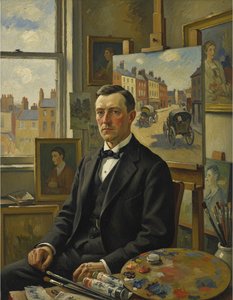
Robert Bevan: Pioneering British Post-Impressionism & the Camden Town Group's Intimate Vision
Explore the life & work of Robert Bevan, a pioneer of British Post-Impressionism and founding member of the Camden Town Group. Discover his vibrant landscapes and lasting impact on early 20th-century art.

Топ-25 шедеврів Джона Констебла: пейзажі Англії для вашого дому | OriginalUniqueArt
Відкрийте для себе 25 найкращих шедеврів Джона Констебла! Англійські пейзажі, романтизм та емоційне світло в живописі. Репродукції картин високої якості для вашого дому від OriginalUniqueArt.com. Дослідіть повну колекцію онлайн!

Evocations of Place: A Historical Journey Through Landscape Art
Explore the rich history of landscape art with OriginalUniqueArt. Discover renowned artists, movements like Impressionism & Romanticism, and expert guidance for collecting timeless pieces. Find your perfect serene escape today!

Топ-10 шедеврів романтичного пейзажу: мистецтво, що захоплює дух | OriginalUniqueArt
Відкрийте для себе 10 шедеврів романтичного пейзажу! Каспар Давид Фрідріх, Тернер та інші майстри. Історія мистецтва, емоційні кольори природи та ідеї декору з OriginalUniqueArt.com. Дослідіть колекцію онлайн!

Hubert Robert: Picturing Ruins, Preserving Memory – A Study of Romantic Antiquarianism & Artistic Innovation
Explore the captivating world of Hubert Robert, master of Romantic landscape painting & 'capriccio' ruins. Discover his historical context, artistic innovations, and collecting insights with OriginalUniqueArt.