Переглянути в інтер'єрі
 Надіслати як листівку
 Поділитися
 Деталі витвору
 Посібник

 Завантажити
 Схожі екземпляри
 Рентгенівське дослідження
 Слайд-шоу
 Q&A
Q&A Статистика
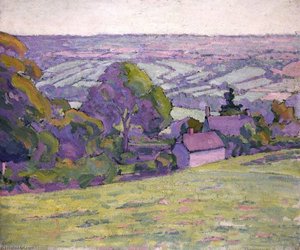
The Chestnut Tree
 Олія на полотні
- Настінне мистецтво
- Impressionistic Modernism
 1916
1916 50.0 x 60.0 cm
 Ашмолеанський музей мистецтва та археології
 Розгорнути текст
Олійная репродукція ручної роботи
Написана вручну олією на полотні у вашому розмірі та рамі, виготовлена на замовлення нашими художниками. ( Перейти до друку Перейти до цифрових зображень)




P118B ₴10

P118H ₴10

P118W ₴10

P438Z ₴10

P508JH ₴12

P508YH ₴12

P805H ₴10

P805Z ₴10

P919BZ ₴10

P919G ₴10

P919XJ ₴10

P959ZH ₴10

P968JZ ₴12

W106C ₴8

W218G ₴10

W218JH ₴8

W218Y ₴10

W307PJ ₴10

W316G ₴10

W316PJ ₴8

W316Y ₴10

W398PJ ₴8

W4111J ₴10

W500HY ₴15

W500JH ₴15

W692G ₴12

W849H ₴8

W940BG ₴15

W953PJ ₴8




Обирайте з наших стандартних розмірів, що відповідають оригінальним пропорціям твору мистецтва.

Введіть необхідну ширину та висоту, щоб картина підійшла до вашої рами або стіни. Оскільки це ручний розпис, для зміни пропорцій художник може дописати трохи більше по краях або дещо обрізати композицію — вибір за вами. Перед початком роботи ми надішлемо вам цифровий макет для затвердження. Зображення, показане на цій сторінці, не є реальним результатом — лише макет відображає майбутній вигляд.
Після оформлення замовлення команда OriginalUniqueArt.com зв'яжеться з клієнтом електронною поштою для отримання інструкцій та надасть попередній макет
Доставка по всьому світу () за 3–4 тижні замість стандартних 5 тижнів. (28 Жовтень). Без жодних компромісів у якості.

Безкоштовна експрес-доставка по всьому світу

Високоякісне лляне полотно

Повне страхове покриття доставки

Гарантія повернення митних зборів

Гарантія точного відтворення кольорів

Політика повернення протягом 100 днів (лише у разі виявлення дефектів)

Гарантія повернення 100% коштів

Пропозиція на оптові замовлення
 Скляний варіант доступний лише для розмірів до 110 см

The Chestnut Tree
Матеріал репродукції
Розмір репродукції
-


Підсумкова вартість
₴ 13460
A Window into Rural Tranquility: Exploring Robert Bevan’s “The Chestnut Tree”
Robert Bevan's "The Chestnut Tree," painted in 1916–1919, stands as a cornerstone of British Modernism—a testament to the burgeoning artistic spirit of its time and a beautifully rendered depiction of rural England. Currently residing within the Ashmolean Museum’s collection in Oxford, this oil on canvas masterpiece transcends mere representation; it embodies a profound engagement with color, composition, and the subtle nuances of landscape painting. Bevan's stylistic approach firmly rooted itself in Impressionism but swiftly moved beyond its limitations, embracing bolder brushstrokes and prioritizing emotional resonance over photographic accuracy—a characteristic that distinguishes him from contemporaries like Alexander Young, whose pastoral scenes similarly captured the beauty of the countryside.- Style & Influences: Bevan’s artistic vision drew heavily from Impressionistic principles yet pushed boundaries toward a more expressive style. Comparisons to Alexander Young highlight shared stylistic inclinations in portraying idyllic rural landscapes.
- Color Palette: The painting's dominant hues—primarily blues and whites—establish an atmosphere of serenity, mirroring the tranquil mood conveyed by similar works like Landøen in Asker by Aksel Waldemar Johannessen. These colors aren’t merely decorative; they actively contribute to the overall feeling of peace and contemplation.
- Composition & Technique: Bevan skillfully employs compositional techniques to guide the viewer's gaze, creating a sense of depth and movement—a hallmark of Modernist painting. The artist’s meticulous brushwork captures the texture of bark and foliage with remarkable precision.
Elements of Scene and Symbolism
“The Chestnut Tree” presents a carefully constructed tableau featuring a modest farmhouse nestled amidst rolling hills populated by cows and pigs—a quintessential image of rural Britain during the First World War era. A solitary figure occupies the foreground, subtly hinting at human connection within this natural setting. However, the centerpiece is undoubtedly the chestnut tree itself, dominating the composition with its upward-reaching branches symbolizing resilience and aspiration against a backdrop of muted blues and whites. The tree’s presence speaks to themes of permanence amidst change—a poignant reflection of Britain's experience during wartime.- Farmhouse & Animals: Representing traditional rural life, the farmhouse and livestock embody stability and heritage.
- The Chestnut Tree: Symbolizing strength and hope, its branches reach towards the sky, conveying a message of perseverance.
Comparative Works & Artistic Legacy
Similar themes and stylistic considerations can be observed in paintings such as Landøen in Asker by Aksel Waldemar Johannessen and “The Chestnut Tree” by Robert Polhill Bevan (available on OriginalUniqueArt.com), demonstrating the widespread fascination with capturing rural landscapes during this period. Bevan’s contribution to British art is significant, marking a pivotal moment in transitioning from Impressionism toward more emotionally driven artistic expressions. His work continues to inspire collectors and interior designers seeking pieces that evoke tranquility and celebrate the beauty of the natural world.Own a Piece of Art History
High-quality reproductions of Robert Bevan’s “The Chestnut Tree” are available on OriginalUniqueArt.com, allowing you to bring this iconic artwork into your home or office—a tangible connection to British Modernism and a celebration of rural serenity. Explore the beauty of Bevan's vision today!Питання та відповіді
Яка техніка була використана для створення «The Chestnut Tree» і коли цей твір було створено?
«The Chestnut Tree» було створено у 1916 році, техніка: Олія на полотні.
Чи можу я побачити рентгенівський знімок «The Chestnut Tree» роботи Роберт Полхилл Бевен?
Сторінка Рентгенівське дослідження для твору «The Chestnut Tree» роботи Роберт Полхилл Бевен — це інтерактивний візуалізатор, що дозволяє досліджувати одинадцять оптичних шарів зображення, включаючи рентгенівський зріз.
Як мені знайти твори мистецтва, схожі на «The Chestnut Tree» роботи Роберт Полхилл Бевен?
Схожі роботи до «The Chestnut Tree» можна знайти на сторінці Схожі твори цього твору.
Біографія митця
Robert Polhill Bevan (1865–1925): British Painter & Camden Town Group Founder
Robert Polhill Bevan, born in Hove in 1865, occupies a pivotal yet often understated position within the narrative of early 20th-century British art. Emerging from a Quaker background steeped in banking connections – his parents were Richard Alexander Bevan and Laura Maria Polhill – he defied conventional expectations to become a daring innovator, a key figure in the transition from Impressionism towards more radical explorations of color and form. His journey was one of constant experimentation, absorbing influences from across Europe while forging a distinctly personal artistic vision that would profoundly impact the development of modern art in Britain. Bevan’s early education at Westminster School of Art under Fred Brown provided a solid foundation, but it was his subsequent studies at the Académie Julian in Paris that truly ignited his creative spark. There, he encountered a constellation of rising stars – Paul Sérusier, Pierre Bonnard, Édouard Vuillard, and Maurice Denis – artists who were challenging academic conventions and embracing new approaches to painting. These encounters proved formative, exposing Bevan to the principles of synthetism and laying the groundwork for his future explorations.Brittany, Fauvism, and The Pursuit of Pure Color
The influence of Brittany on Bevan’s artistic development cannot be overstated. Two significant journeys in 1890 and 1891 immersed him in the atmosphere of Pont-Aven, a small coastal town that had become a magnet for artists seeking an alternative to Parisian salon culture. The bold colors and simplified forms championed by artists like Gauguin resonated deeply with Bevan, influencing his early drawings and prints. He was particularly drawn to the expressive use of pigment—a deliberate rejection of Impressionistic optical blending—and sought to capture the essence of Breton landscape through a technique that prioritized color over meticulous detail. This fascination with pure color foreshadowed the emergence of Fauvism on the continent, demonstrating Bevan’s willingness to embrace artistic movements that prioritized emotional impact and visual vibrancy. His painting “Courtyard” stands as a remarkable example of this proto-Fauvist approach, showcasing his bold chromatic palette and expressive brushwork—a stylistic choice that distinguished him from many of his contemporaries. The encounter with Gauguin wasn't merely inspirational; it fundamentally altered Bevan’s artistic sensibilities, prompting him to reconsider the role of color in conveying emotion and capturing the immediacy of experience.The Camden Town Group & Collaborative Artistic Vision
Bevan was not an artist who worked alone; he actively sought connection with like-minded individuals, playing a crucial role in the formation of several influential art groups. As a founding member of the Camden Town Group—alongside artists such as Spencer Gore and Charles Ginner—he joined forces with fellow painters determined to depict modern urban life and challenge established artistic norms. This collective spirit extended to his involvement with the London Group and the Cumberland Market Group, further demonstrating his commitment to progressive artistic movements. The group’s aim was to move beyond traditional academic painting, exploring new techniques and subjects that reflected the realities of contemporary British society—a bold undertaking that demanded a willingness to experiment and embrace unconventional approaches. Bevan's collaboration with fellow artists fostered a dynamic exchange of ideas, shaping his artistic vision and contributing to the broader evolution of British art during this period. He was particularly interested in capturing the atmosphere of London’s Camden Town—a vibrant hub of bohemian culture—through canvases infused with bold color and expressive brushstrokes.Technique & Artistic Expression: Divisionism and Beyond
Bevan's artistic technique evolved considerably throughout his career, reflecting his ongoing engagement with innovative approaches to painting. Initially influenced by Impressionistic principles—particularly the observation of light and color—he gradually adopted a divisionist or pointillist method, championed by artists like Georges Seurat. This technique involved applying tiny dots of pigment onto canvas, rather than blending colors together—a deliberate departure from Impressionism that prioritized visual impact and textural richness. His painting “Ploughing on the Downs” exemplifies this stylistic choice, demonstrating his mastery of divisionist principles and capturing the grandeur of the Sussex landscape with remarkable precision. Furthermore, Bevan’s exploration extended beyond divisionism; he experimented with various mediums and techniques—including lithography—to convey his artistic vision in diverse ways. His willingness to embrace experimentation underscored his belief that art should serve as a vehicle for conveying emotion and capturing the essence of experience—a conviction that resonated throughout his oeuvre.Legacy & Recognition: A Lasting Impression
Robert Polhill Bevan’s legacy extends far beyond his individual paintings. He is rightfully recognized as a pioneer of modern British art, particularly for his early adoption of Fauvist principles and his unwavering commitment to exploring innovative artistic techniques. His influence on subsequent generations of painters is undeniable, shaping the trajectory of British painting in the years leading up to World War I. Bevan’s contribution to the Camden Town Group was instrumental in fostering a collective artistic vision that challenged academic conventions and embraced new approaches to depicting modern life—a pivotal moment in British art history. He remained active until his death in 1925, continuing to produce paintings and prints that reflected his lifelong fascination with landscape and his dedication to capturing the beauty of the natural world. Bevan’s work is held in prominent collections across Britain and internationally—including Tate Gallery, Brighton Art Gallery, and The Fitzwilliam Museum—ensuring that his artistic vision continues to inspire audiences today. His bold experimentation and unwavering belief in expressive color cemented his place as one of the most important figures in British Modernism.
Роберт Полхилл Бевен
1865 - 1925 , Великобританія
Короткі факти
- Artistic Movement Or Style: Фавизм, Дівізіонізм
- Artists Or Movements Influenced By This Artist: ['Камден Таун Группа']
- Artists Who Influenced This Artist:
- Валтер Сікерт
- Павло Gauguin
- Date Of Birth: 1865
- Date Of Death: 1925
- Full Name: Robert Polhill Bevan
- Nationality: Британський
- Notable Artworks:
- Поля у Блекдаун-Хиллс
- Курячий гніздо
- Дім Кенсінгтонський
- Place Of Birth: H Hove, Великобританія
Пов'язані статті

Evocations of Place: A Historical Journey Through Landscape Art
Explore the rich history of landscape art with OriginalUniqueArt. Discover renowned artists, movements like Impressionism & Romanticism, and expert guidance for collecting timeless pieces. Find your perfect serene escape today!

25 шедеврів Поля Сезанна: подорож у світ імпресіонізму та натюрморту | OriginalUniqueArt
Відкрийте 25 найвідоміших картин Поля Сезанна! Дослідіть імпресіонізм, натюрморти та пейзажі художника. Купіть високоякісні репродукції та знайдіть ідеальний декор для вашого дому на OriginalUniqueArt.com.
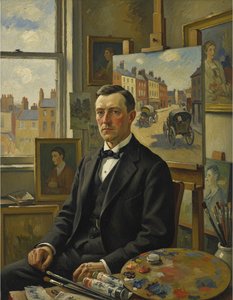
Robert Bevan: Pioneering British Post-Impressionism & the Camden Town Group's Intimate Vision
Explore the life & work of Robert Bevan, a pioneer of British Post-Impressionism and founding member of the Camden Town Group. Discover his vibrant landscapes and lasting impact on early 20th-century art.

Топ-25 шедеврів Джона Констебла: пейзажі Англії для вашого дому | OriginalUniqueArt
Відкрийте для себе 25 найкращих шедеврів Джона Констебла! Англійські пейзажі, романтизм та емоційне світло в живописі. Репродукції картин високої якості для вашого дому від OriginalUniqueArt.com. Дослідіть повну колекцію онлайн!

Cultivating Visions: A Historical Journey Through Rural Landscapes in Art
Explore the rich history of rural landscape painting with OriginalUniqueArt. Discover Impressionist masterpieces, key artists & movements. Find your perfect serene artwork and bring nature's beauty home.