Переглянути в інтер'єрі
 Надіслати як листівку
 Поділитися
 Деталі витвору
 Посібник

 Завантажити
 Схожі екземпляри
 Рентгенівське дослідження
 Слайд-шоу
 Питання та відповіді
 Статистика
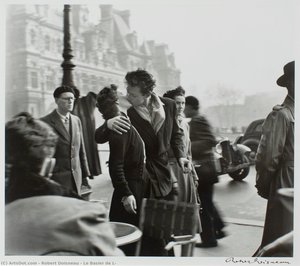
Ле Базір де Л


 Розгорнути текст
Мистецький твір, представлений на цій сторінці, захищений законом про авторське право, що унеможливлює легальне створення або продаж його ідентичної репродукції. Цей захист забезпечується відповідно до міжнародних угод, таких як Бернська конвенція та національним законодавством, зокрема положеннями, що викладені в Законодавство США про авторське право — Розділ 17. Всі права захищені. Будь-яке використання без дозволу заборонено.
Цей метод повністю відповідає нормам авторського права, оскільки він не передбачає копіювання чи дублювання захищеного твору мистецтва. Натомість це творче переосмислення — створення нового малюнка під впливом оригіналу, який не є його точним відтворенням.
Гікле / Художній принт
Друк جيкле або на полотні музейної якості з оперативним виготовленням та різноманітними варіантами фінішної обробки. ( Замовити картину ручної роботи Перейти до цифрових зображень)




P118B ₴10

P118H ₴10

P118W ₴10

P438Z ₴10

P508JH ₴12

P508YH ₴12

P805H ₴10

P805Z ₴10

P919BZ ₴10

P919G ₴10

P919XJ ₴10

P959ZH ₴10

P968JZ ₴12

W106C ₴8

W218G ₴10

W218JH ₴8

W218Y ₴10

W307PJ ₴10

W316G ₴10

W316PJ ₴8

W316Y ₴10

W398PJ ₴8

W4111J ₴10

W500HY ₴15

W500JH ₴15

W692G ₴12

W849H ₴8

W940BG ₴15

W953PJ ₴8




Обирайте з наших стандартних розмірів, що відповідають оригінальним пропорціям твору мистецтва.

Введіть необхідну ширину та висоту, щоб принт ідеально підійшов до вашої рами або стіни. Принт можна лише обрізати, але не можна зробити більшим за оригінал, тому при зміні пропорцій частина зображення буде втрачена. Перед друком ми надсилаємо вам цифровий макет для затвердження. Зображення на цій сторінці не відображає реальну обрізку — її можна побачити лише на макеті.
Доставка по всьому світу () за 2 тижні замість стандартних 4/5 тижнів. (7 Листопад)

Безкоштовна експрес-доставка по всьому світу

Високоякісне лляне полотно

Повне страхове покриття доставки

Гарантія повернення митних зборів

Гарантія точного відтворення кольорів

Політика повернення протягом 100 днів (лише у разі виявлення дефектів)

Гарантія повернення 100% коштів

Пропозиція на оптові замовлення
 Скляний варіант доступний лише для розмірів до 110 см

Ле Базір де Л
Гікле / Художній принт
Розмір репродукції
-


Підсумкова вартість
₴ 3637
Robert Doisneau: The Poet of Parisian Streets
Robert Doisneau’s “Le Baiser de l'Hôtel de Ville” isn’t merely a photograph; it’s crystallized emotion, a fleeting glimpse into the soul of postwar Paris. Captured in 1950, this iconic image transcends documentation, becoming a symbol of romantic yearning and urban anonymity—a testament to Doisneau’s extraordinary ability to transform ordinary moments into enduring art.- Subject Matter: The photograph depicts a young couple embracing passionately on a Parisian street corner, bathed in the soft glow of lamplight. Their faces are turned away from each other, creating an intimate tableau amidst the bustling cityscape.
- Composition & Framing: Doisneau skillfully employs perspective and selective focus to draw attention to the lovers’ embrace while blurring the surrounding figures—a deliberate technique that emphasizes their isolation within the crowd and amplifies the emotional resonance of the scene. The architectural backdrop, featuring buildings and lampposts, provides context without distracting from the central narrative.
- Style & Technique: Doisneau's approach aligns perfectly with photojournalism’s ethos—capturing spontaneous beauty rather than staging a carefully constructed composition. He meticulously planned his shots, patiently awaiting opportune moments to freeze action and convey emotion. The photograph is executed in silver gelatin print, ensuring exceptional tonal accuracy and preserving the subtle nuances of light and texture.
Historical Context: Postwar Paris & Existential Romanticism
Doisneau’s work emerged from a period marked by profound social upheaval—the devastation of World War II and its immediate aftermath. Yet, amidst the rubble and rebuilding efforts, Doisneau found solace in documenting the everyday lives of Parisians, reflecting a burgeoning trend toward existential romanticism. He sought to portray humanity's capacity for tenderness and connection against the backdrop of urban alienation, capturing moments of vulnerability and joy that resonated deeply with audiences grappling with uncertainty and disillusionment.- Influence: Doisneau’s style draws inspiration from Surrealist principles—particularly the exploration of dreamlike imagery and subconscious emotion—though he eschews overtly fantastical elements. Instead, he achieves a similar effect through careful observation and framing, creating images that feel both familiar and profoundly evocative.
- Legacy: “Le Baiser de l'Hôtel de Ville” solidified Doisneau’s reputation as one of France’s foremost photojournalists and cemented his place in art history. Its enduring appeal lies in its ability to encapsulate the complexities of human experience—love, desire, solitude—within a deceptively simple visual narrative.
Symbolism & Emotional Impact: The Kiss as Emblematic Gesture
The kiss itself serves as a powerful symbol—representing intimacy, passion, and spontaneous connection amidst the impersonal expanse of urban life. Doisneau’s masterful use of light and shadow enhances this symbolism, creating an atmosphere of tenderness and vulnerability. The blurred figures in the background underscore the contrast between personal experience and societal indifference, prompting viewers to contemplate themes of love, loss, and the elusive nature of human relationships.- Emotional Resonance: Doisneau’s photograph evokes a palpable sense of longing—a yearning for connection that transcends physical distance and social barriers. It speaks to the universal desire for beauty and tenderness in an often harsh world.
- Technical Considerations: The photographer skillfully utilizes depth of field, prioritizing sharpness around the lovers' faces while blurring the surrounding environment. This technique contributes to the image’s emotional impact by isolating the central subject and amplifying its expressive qualities.
Conclusion: Doisneau’s Enduring Vision
Robert Doisneau’s “Le Baiser de l'Hôtel de Ville” remains a masterpiece of photojournalism—a poignant reminder that beauty can be found in the most unassuming corners of our world. Doisneau’s unwavering commitment to capturing authentic human emotion, combined with his masterful technical skills and artistic sensibility, ensured that this image would continue to inspire generations of artists and viewers alike. It stands as an enduring testament to the transformative power of observation and the ability to elevate everyday life into timeless art.Питання та відповіді
Звідки приходять відвідувачі «Ле Базір де Л» роботи Robert Doisneau?
Статистика про «Ле Базір де Л» роботи Robert Doisneau доступна на сторінці Статистика переглядів твору: щомісячна кількість переглядів цього твору, кількість переглядів робіт художника, а також розподіл останніх відвідувачів за країнами та мовами.
Чи доступна робота "Ле Базір де Л" у вигляді художнього принта?
«Ле Базір де Л» доступний як художній принт на бавовняному полотні або архівному канвас-папері. Замовити його у будь-якому обраному вами розмірі можна на сторінці Художній принт.
Де сьогодні можна побачити «Ле Базір де Л» роботи Robert Doisneau?
«Ле Базір де Л» роботи Robert Doisneau експонується в Boca Raton Museum of Art, Бока-Ратон, Сполучені Штати Америки. У описі музею йдеться про оригінальний твір, а не про репродукції.
Біографія митця
A Parisian Chronicler: The Life and Legacy of Robert Doisneau
Robert Doisneau, born in Gentilly, France, in 1912, wasn’t merely a photographer; he was a visual poet of the streets, a chronicler of everyday life who captured the heart and soul of post-war Paris with an unparalleled blend of humanism, irony, and playful observation. His journey began amidst personal hardship – orphaned at a young age, raised by an unloving aunt – yet it blossomed into a career that celebrated the resilience and charm of the human spirit. Initially drawn to the technical arts, Doisneau trained in engraving and lithography at the École Estienne, skills that would later inform his compositional eye. However, it was the allure of the streets, the spontaneous narratives unfolding before him, that truly ignited his artistic passion. He began tentatively, reportedly photographing cobblestones to overcome initial shyness, gradually building confidence to capture the lives of children and adults in their natural environment.From Advertising to Artistic Vision
Doisneau’s early career was a pragmatic blend of necessity and opportunity. He navigated the world of advertising, working first as a draughtsman at Atelier Ullmann and later as a photographer for Renault. While these roles provided financial stability, they also fueled his growing interest in people and their interactions. His time at Renault, though ultimately cut short by his habitual tardiness, proved formative, exposing him to the possibilities of photography beyond mere commercial application. The late 1930s saw him join the Rapho photographic agency, a pivotal moment that allowed him to pursue street photography more seriously. This period coincided with the looming shadow of World War II, and Doisneau’s life took on another layer of complexity as he served in the French army and actively participated in the Resistance, utilizing his skills to forge documents for those fleeing persecution. It was a time of immense risk and moral responsibility, shaping his commitment to documenting the lives of ordinary people with dignity and respect.The Humanist Lens: Style and Influences
Doisneau’s photographic style is instantly recognizable – a masterful blend of candid observation, carefully composed framing, and a gentle, often ironic, perspective. He wasn't interested in grand narratives or dramatic events; instead, he found beauty and meaning in the mundane, the fleeting moments of everyday life. Influenced by masters like André Kertész, Eugène Atget, and Henri Cartier-Bresson, Doisneau developed his own unique voice, one that prioritized human connection over technical perfection. He possessed an extraordinary ability to anticipate and capture decisive moments, often with a touch of humor or whimsy. His work frequently features amusing juxtapositions, contrasting social classes, and eccentric characters, all set against the backdrop of bustling Parisian streets and cafes. Le Baiser de l'Hôtel de Ville (The Kiss by the Town Hall), his most iconic image from 1950, perfectly encapsulates this approach – a spontaneous moment of intimacy amidst the chaos of city life, an enduring symbol of love and freedom. He famously stated, “The marvels of daily life are so exciting; no movie director can arrange the unexpected that you find in the street.”A Legacy of Empathy and Observation
Throughout his career, Doisneau consistently championed the overlooked and marginalized. He had a particular fondness for children, portraying their play with seriousness and respect, recognizing their inherent dignity and freedom from adult constraints. His photographs offer a poignant glimpse into a post-war Paris rebuilding itself, grappling with social change, yet retaining its unique charm and spirit. While he briefly experimented with fashion photography for Vogue, his heart remained on the streets, capturing the authentic pulse of Parisian life. Despite receiving an invitation to join Magnum Photos from Henri Cartier-Bresson, Doisneau chose to remain with Rapho, valuing the agency’s independence and allowing him greater creative freedom. He was appointed a Chevalier (Knight) of the Legion of Honour in 1984, a testament to his significant contribution to French culture. Robert Doisneau passed away in 1994, leaving behind a vast body of work that continues to inspire and captivate audiences worldwide. His photographs are not simply records of a time and place; they are enduring celebrations of the human condition, reminding us to find beauty and meaning in the everyday moments that shape our lives.
Robert Doisneau
1922 - 1994 , France
Короткі факти
- Full Name: Robert Doisneau
- Nationality: French
- Date Of Birth: 1922
- Date Of Death: 1994
- Place Of Birth: Gennevilliers, France
- Notable Artworks: ["Le Baiser de l'hôtel de ville"]
- Artistic Movement Or Style: Humanist photography
- Artists Who Influenced This Artist:
- André Kertész
- Eugène Atget
- Henri Cartier-Bresson
Пов'язані статті

Топ-10 шедеврів живопису в чорних тонах: історія, мистецтво та декор від OriginalUniqueArt
Відкрийте для себе 10 найвідоміших картин у чорних тонах! Історія, техніка та емоції від OriginalUniqueArt. Романтизм, готика, експресіонізм – шедеври живопису онлайн. Купіть репродукцію мрії на OriginalUniqueArt.com!

Shadow & Soul: Why Black & White Photography Remains the Ultimate Power Move in Modern Art
Discover why black & white photography remains a powerful force in contemporary art. Explore the impact of light, shadow, and texture through a visual journey of monochrome mastery and learn how to elevate your space with timeless grayscale aesthetics.

Monochrome Visions: Exploring the Aesthetic & Historical Significance of Black & White Photography
Explore the rich history & artistic power of black and white photography. From early techniques to iconic masters like Ansel Adams, discover why monochrome continues to captivate art lovers today. Expert insights for collectors.

Beyond the Lens: Photography's Enduring Influence on Modern & Contemporary Art
Explore photography's pivotal role in shaping modern & contemporary art. Discover key movements, influential artists like Stieglitz, and expert collecting advice from OriginalUniqueArt.

Timeless Shadows: The Artistry, History, and Emotional Resonance of Black and White Photography
Explore the profound artistry of black and white photography. From historical mastery to the interplay of light and shadow, discover how monochrome captures timeless emotion and form through a sophisticated lens of art history.