Gongbi Landscape · 1530
Handscroll (Цю Ін, 1530)
Цю Ін (1494–1552) створив Handscroll. Дата створення — 1530. Він належить до напряму Gongbi Landscape. Виконано в Acrylic On Canvas. Екземпляр зберігається в Метрополітен-музей у Нью-Йорк, Сполучені Штати Америки.
- 1530
- Acrylic On Canvas
- Метрополітен-музей, Нью-Йорк

 Переглянути в інтер'єрі

 Картина олією ручної роботи
 Надіслати як листівку
 Поділитися
 Інформаційна картка


 Завантажити
 Схожі екземпляри
 Рентгенівське дослідження
 Слайд-шоу
 Питання та відповіді

 Статистика
Handscroll коротко
- Назва
- Handscroll
- Художник
- Цю Ін (1494–1552)
- Рік народження митця
- Тайцан, Китайська Народна Республіка
- Дата
- 1530
- Матеріал
- Acrylic On Canvas
- Де подивитися
- Метрополітен-музей, Нью-Йорк, Сполучені Штати Америки
- Період
- Late Medieval
- Сюжет
- ming dynasty, landscape, scroll, qiu ying, luohans, chinese art
Що зображено на Handscroll?
Qiu Ying’s “Up the River During Qingming”: A Masterpiece of Ming Dynasty Serenity
“Up the River During Qingming,” painted by Qiu Ying during the mid-16th century, is more than just a landscape; it's a carefully constructed meditation on harmony, leisure, and the enduring beauty of nature. Attributed to one of China’s Four Masters of the Ming Dynasty – alongside Shen Zhou, Tang Yin, and Wen Zhengming – this exquisite handscroll offers a rare glimpse into the refined aesthetic sensibilities of Suzhou during that era. The work, currently residing in the collection of the National Gallery of Canada, invites viewers into a tranquil scene brimming with subtle symbolism and masterful brushwork.
Qiu Ying’s artistic journey was remarkably unconventional for his time. Rather than pursuing formal training within established art circles, he began as a lacquer artisan, honing his skills in meticulous detail – a foundation that profoundly influenced the precision and control evident throughout “Up the River During Qingming.” This early experience instilled in him an unparalleled understanding of line and color, qualities he would later translate into his celebrated landscape paintings. His apprenticeship with Zhou Chen in Suzhou further solidified his technical abilities, exposing him to the techniques of the Wu School, known for its emphasis on ink washes and a more expressive approach to nature.
A Symphony of Detail: Technique and Style
The painting’s remarkable quality stems from Qiu Ying's mastery of the gongbi technique – a highly detailed, realistic style that was favored by court painters. Each element—from the meticulously rendered bamboo stalks to the delicate folds of the pavilions—is executed with painstaking precision, creating an illusion of incredible depth and texture. Notice the subtle gradations of color achieved through layering washes of ink and pigment; this creates a luminous quality that brings the scene to life. The composition is carefully balanced, drawing the eye across the landscape in a deliberate and engaging manner. The artist’s use of loose brushwork, particularly in depicting the distant mountains and flowing river, contrasts beautifully with the tightly controlled detail of the foreground elements, demonstrating Qiu Ying's versatility and his ability to seamlessly blend different artistic approaches.
Symbolism Woven into the Landscape
“Up the River During Qingming” is rich in symbolic meaning. The scene depicts a scholar leisurely enjoying a day by the river, surrounded by carefully arranged pavilions and gardens. This imagery reflects the Confucian ideals of scholarly pursuits, contemplation, and harmony with nature – values highly esteemed during the Ming Dynasty. The presence of the tavern and the farmer gathering water vegetables adds a touch of everyday life to the scene, reminding us that even amidst beauty and tranquility, human activity continues. The bamboo grove, a recurring motif in Chinese art, symbolizes resilience, integrity, and longevity—qualities admired in virtuous individuals. The distant mountains represent permanence and stability, while the flowing river embodies fluidity and change.
A Window into Ming Dynasty Culture
Beyond its aesthetic beauty, “Up the River During Qingming” offers a valuable insight into Ming Dynasty culture. It reflects the importance of gardens as spaces for contemplation, artistic expression, and social interaction. The lavish furnishings within the pavilions—including the exquisite celadon vase—demonstrate the wealth and sophistication of the era’s elite. The painting also reveals the influence of philosophical ideas, particularly those associated with Zhou Dunyi, whose “On the Love for the Lotus” inspired the scene's composition and symbolism. Qiu Ying’s ability to seamlessly integrate these diverse elements into a cohesive and harmonious whole is a testament to his artistic skill and cultural awareness.
Collecting a Legacy: Reproduction and Inspiration
Reproductions of “Up the River During Qingming” capture only a fraction of the painting's original impact. The subtle nuances of color, texture, and brushwork are difficult to replicate fully, but high-quality reproductions offer an accessible way to appreciate Qiu Ying’s artistry. This work serves as a powerful reminder of the enduring appeal of Chinese landscape painting—a genre that continues to inspire artists and captivate viewers with its beauty, symbolism, and profound sense of serenity.
У якому музеї зберігається Handscroll?
Метрополітен-музей
Нью-Йорк, Сполучені Штати Америки
Витоки та історія Метрополітен-музею Історія Метрополітен-музею бере свій початок від спільного бачення групи підприємців, фінансистів, провідних митців та мислителів. Після офіційної реєстрації у 1870 році заклад почав пошуки постійного дому для своїх невпинно зростаючих колекцій. Перш ніж оселитися на нинішньому місці, музей недовго перебував у маєтку Дуглас-Меншн на Західній 14-й вулиці.


Зображення високої роздільної здатності Handscroll

Суспільне надбання: художник помер у 1552 році.
Інші розміри, кадри та цитування →Цю Ін, Handscroll (1530), Метрополітен-музей. Суспільне надбання
Відповіді на запитання про Handscroll
Де сьогодні можна побачити «Handscroll» роботи Цю Ін?
«Handscroll» роботи Цю Ін експонується в Метрополітен-музей, Нью-Йорк, Сполучені Штати Америки. У описі музею йдеться про оригінальний твір, а не про репродукції.
У якому році було створено "Handscroll"?
«Handscroll» роботи Цю Ін було створено у 1530 році.
Яка техніка виконання у «Handscroll» роботи Цю Ін?
Для створення «Handscroll» Цю Ін використав(ла) техніку Acrylic On Canvas. Саме ця техніка визначає матеріальну природу оригінального твору.
Які сюжети зображені у «Handscroll» роботи Цю Ін?
Тематика, представлена у «Handscroll» роботи Цю Ін, включає ming dynasty, landscape, scroll, qiu ying, luohans, chinese art, gongbi. Разом вони підсумовують зміст твору.
Чи не захищений твір "Handscroll" авторським правом?
Статус авторського права для «Handscroll» роботи Цю Ін: цей твір є є суспільним надбанням — термін дії авторського права закінчився. Це визначає, чи можна вільно створювати репродукції зображення.
Хто є автором "Handscroll"?
«Handscroll» було створено Цю Ін. Інформація на цій сторінці описує оригінальний твір Цю Ін.
До якого художнього напряму належить «Handscroll» роботи Цю Ін?
«Handscroll» роботи Цю Ін належить до течії Gongbi Landscape. Цей напрям визначає стилістичний контекст твору.
Яке місце посідає «Handscroll» у творчому шляху Цю Ін?
У межах творчого шляху Цю Ін твір "Handscroll" належить до періоду Mid-16th Century. Ця фаза дозволяє порівняти його з іншими роботами митця.
Скільки років було Цю Ін, коли він(ла) створив(ла) "Handscroll"?
Цю Ін було 36 років, коли він створив «Handscroll» у 1530 році. Вік обчислено на основі року народження митця, 1494.
Про художника Цю Ін
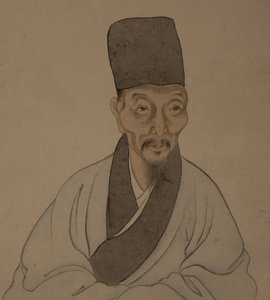
1494–1552, Китайська Народна Республіка
Цю Ін
Життя, викарбуване пензлем: Світ Цю Ін Народившись у скромній родині у 1494 році в містечку Тайцан, що поблизу сучасної провінції Цзянсу, Цю Ін пройшов шлях від звичайного майстра до одного з найславетніших живописців династії Мін. На відміну від багатьох митців його епохи, які мали перевагу завдяки науковому вихованню та формальній освіті у визначених мистецьких колах, шлях Цю Ін був справді саморобним. Його творча подорож розпочалася не через традиційні канали, а як учня майстра лакованого приладдя, де він відточував навички в деталізованій декоративній роботі — саме цей фундамент згодом глибоко вплинув на надзвичайну точність, притаманну його пізнішим полотнам. Цей ранній досвід прищепив йому майстерне володіння лінією та кольором — якостями, які він згодом вдосконалив під керівництвом Чжоу Ченя в Сучжоу, що був на той час яскравим культурним центром періоду Мін.
Також за участю Цю Ін
 Up the River During Qingming1644
 Zhao Mengfu Writing the Heart (Hridaya) Sutra in Exchange for Tea1542
 Lady Su Hui and Her Verse Puzzle501
 The Seven sages of the bamboo grove1552

Есе до твору Handscroll
 Understanding Chinese Painting: A Comparison of Gongbi and XieyiMaster the differences between Gongbi and Xieyi styles. Discover the history and techniques of Chinese ink painting now.
 25 Must-See Masterpieces at Berlin's Alte NationalgalerieExplore 25 iconic masterpieces from Berlin's Alte Nationalgalerie. From Romanticism to Impressionism, discover them all on OriginalUniqueAr…
 Understanding Chinese Art: Literati Painting and Song Academy PaintingMaster the distinction between Song Academy and Literati painting styles. Explore Chinese art history through expert analysis today.