Переглянути в інтер'єрі
 Надіслати як листівку
 Поділитися
 Деталі витвору
 Посібник

 Завантажити
 Схожі екземпляри
 Рентгенівське дослідження
 Слайд-шоу
 Питання та відповіді
 Статистика
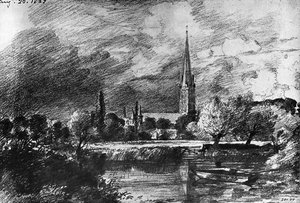
Будинок Віллі Лота

- 25.0 x 30.0 cm


 Розгорнути текст
Гікле / Художній принт
Друк جيкле або на полотні музейної якості з оперативним виготовленням та різноманітними варіантами фінішної обробки. ( Замовити картину ручної роботи Перейти до цифрових зображень)




P118B ₴10

P118H ₴10

P118W ₴10

P438Z ₴10

P508JH ₴12

P508YH ₴12

P805H ₴10

P805Z ₴10

P919BZ ₴10

P919G ₴10

P919XJ ₴10

P959ZH ₴10

P968JZ ₴12

W106C ₴8

W218G ₴10

W218JH ₴8

W218Y ₴10

W307PJ ₴10

W316G ₴10

W316PJ ₴8

W316Y ₴10

W398PJ ₴8

W4111J ₴10

W500HY ₴15

W500JH ₴15

W692G ₴12

W849H ₴8

W940BG ₴15

W953PJ ₴8




Обирайте з наших стандартних розмірів, що відповідають оригінальним пропорціям твору мистецтва.

Введіть необхідну ширину та висоту, щоб принт ідеально підійшов до вашої рами або стіни. Принт можна лише обрізати, але не можна зробити більшим за оригінал, тому при зміні пропорцій частина зображення буде втрачена. Перед друком ми надсилаємо вам цифровий макет для затвердження. Зображення на цій сторінці не відображає реальну обрізку — її можна побачити лише на макеті.
Доставка по всьому світу () за 2 тижні замість стандартних 4/5 тижнів. (5 Листопад)

Безкоштовна експрес-доставка по всьому світу

Високоякісне лляне полотно

Повне страхове покриття доставки

Гарантія повернення митних зборів

Гарантія точного відтворення кольорів

Політика повернення протягом 100 днів (лише у разі виявлення дефектів)

Гарантія повернення 100% коштів

Пропозиція на оптові замовлення
 Скляний варіант доступний лише для розмірів до 110 см

Будинок Віллі Лота
Гікле / Художній принт
Розмір репродукції
-


Підсумкова вартість
₴ 3638
Видіння сільського спокою: «Будинок Віллі Лота» Джона Констебла
Картина Джона Констебла «Будинок Віллі Лота», написана у 1810 році, виходить за межі простого зображення; вона втілює дух романтизму — палку любов до природи та глибоке дослідження людських емоцій у спокійних пейзажах. Створений у роки становлення митця, цей твір став наріжним каменем британського пейзажу, ознаменувавши рішучий розрив із неокласичним формалізмом і заклавши нову естетику, що ґрунтується на спостереженні та почуттях. Сцена розгортається в Дедгем-Вейл, у улюбленому дому Констебла в Саффолку — місці, яке на десятиліття стане синонімом його художнього бачення.- Сюжет: Живопис зафіксував скромну фермерську садибу, що притаїлася серед хвилястих пагорбів і мерехтливої води — зокрема річки Стур, — відображаючи ідилічне сільське життя, яке прославляли художники-романтики. Сам «Будинок Віллі Лота» зображений з надзвичайною ретельністю: ви можете побачити виветрену цеглу та помітний червоний дах — елементи, що додають твору відчуття справжності.
- Стиль та техніка: Майстерні мазки Констебла є прикладом «імпресіонізму до імпресіонізму», де пріоритетом є не точне відтворення, а вловимі атмосферні стани. Густе імпасто — масивне нанесення фарби — домінує на полотні, передаючи текстуру та динаміку, водночас підкреслюючи емоційну залученість художника до свого сюжету. Світло відіграє вирішальну роль, освітлюючи пейзаж м'якими відтінками та створюючи ілюзію глибини, яка затягує глядача всередину сцени.
Історичний контекст: Романтичний ідеал
«Будинок Віллі Лота» з'явився в період значних інтелектуальних та мистецьких потрясінь — в епоху романтизму. Під впливом таких мислителів, як Руссо та Вордсворт, художники-романтики відкинули раціоналізм Просвітництва на користь інтуїції та уяви. Вони шукали натхнення у піднесеній красі природи, сприймаючи її як шлях до духовної істини та емоційного катарсису. Зображення Констебла ідеально відповідає цьому етосу, представляючи не лише мальовничий пейзаж, а й ідеалізоване бачення сільської Англії — притулок від міської тривоги та гімн пасторальній гармонії. Картина відображає ширшу стурбованість романтиків захоплення суттю досвіду, а не просто відтворенням його зовнішнього вигляду.Символізм та емоційний резонанс
Окрім своєї візуальної пишності, «Будинок Віллі Лота» глибоко резонує з символічним змістом. Фермерська садиба уособлює простоту, стабільність і зв'язок із землею — цінності, центральні для романтичного світогляду. Оточуючі дерева символізують стійкість і незмінність на тлі світу, що постійно змінюється. Навмисне використання кольору Констеблом — переважно приглушених зелених і синіх тонів — викликає почуття спокою та роздумів. Крім того, присутність постатей — чоловіка та жінки, що стоять біля будинку, — натякає на взаємодію людини з природою та підкреслює романтичну віру в здатність людства до емпатії та розуміння. Собака, що прямує до будинку, додає нотку домашнього тепла та підсилює головний меседж картини — відчуття задоволеності.Спадщина імпресіоністичного бачення
«Будинок Віллі Лота» є свідченням новаторського підходу Констебла до пейзажної живопису — попередника імпресіонізму, який передбачив багато його стилістичних інновацій. Його непохитна відданість передачі атмосферних ефектів та емоційних нюансів закріпила його місце серед найвпливовіших художників свого часу, надихаючи наступні покоління живописців. Сьогодні репродукції цього культового твору продовжують захоплювати аудиторію в усьому світі, пропонуючи поглянути на надзвичайний талант Констебла та його незгасну пристрасть до краси й могутності англійської сільської місцевості.Питання та відповіді
Для якого призначення та в якому інтер'єрі рекомендується розміщувати «Будинок Віллі Лота» роботи Констабль?
«Будинок Віллі Лота» роботи Констабль рекомендується для Акцент, ідеально — у Вітальня. Поєднання способу використання та простору допоможе визначити, де саме пасуватиме репродукція.
Які сюжет та атмосферу поєднує в собі «Будинок Віллі Лота» роботи Констабль?
«Будинок Віллі Лота» роботи Констабль поєднує в собі пейзаж, долина саффолк, сільська англія, пасторальна сцена, стиль констебля, водний пейзаж, спокій, народна архітектура із Романтичний атмосферою.
Яким чином твір "Будинок Віллі Лота" перегукується з іншими роботами Констабль?
«Будинок Віллі Лота» належить до Романтичний пейзаж творчості Констабль, чиї характерні теми включають вплив клода лоррена, традиція англійського заміського пейзажу, тонкий релігійний символізм, бачення піонера пейзажу, визнане спадство констебля.
Біографія митця
A Life Rooted in the English Landscape
John Constable, born in 1776 in the idyllic Suffolk village of East Bergholt, wasn’t merely a painter of landscapes; he was a poet of the land, translating its subtle moods and enduring beauty onto canvas with an unprecedented emotional depth. His father, a prosperous corn merchant who owned both Dedham Vale and mills along the River Stour, provided not only financial security but also the very subject matter that would define Constable’s artistic life. This early immersion in the rural world – the slow rhythm of agricultural life, the ever-changing light on fields and water, the intimate details of nature – became indelibly etched into his sensibility. While initially destined to follow his father into business, a burgeoning passion for art, nurtured by local patrons like George Beaumont who introduced him to the works of Claude Lorrain, ultimately steered him toward a different path. Constable’s artistic journey wasn’t immediate; it was a gradual unfolding, shaped by careful observation and a persistent desire to capture not just *what* he saw, but *how* it felt to be present within the landscape.Breaking with Convention: A New Vision of Nature
Constable’s artistic development was marked by a deliberate rejection of prevailing academic conventions. Dissatisfied with the idealized and often theatrical landscapes favored by the Royal Academy, he sought instead a truthful representation of nature, imbued with personal feeling. He wasn't interested in grand historical narratives or mythological scenes; his focus remained steadfastly on the familiar countryside surrounding him. This commitment to depicting ordinary subjects – hay wains, farm buildings, village life – was initially met with resistance from critics who deemed his work too commonplace and lacking in ambition. However, Constable persevered, driven by a conviction that beauty resided in the everyday. He pioneered a technique of *plein air* painting, venturing outdoors to directly observe and capture the fleeting effects of light and weather. This direct engagement with nature allowed him to infuse his canvases with an immediacy and vitality previously unseen in British landscape art. His brushwork became increasingly loose and expressive, employing impasto – thick layers of paint – to create texture and convey a sense of movement and atmosphere. He wasn’t simply recording what he saw; he was translating his emotional response to the land into visual form.Iconic Works and Lasting Influence
Constable's most celebrated works stand as testaments to his unique vision. The Hay Wain (1821), perhaps his most recognizable painting, depicts a quintessential rural scene on the River Stour, capturing the tranquility and harmony of agricultural life. Hadleigh Castle (1829) showcases his dramatic use of light and atmospheric effects, transforming a crumbling ruin into a powerful symbol of time’s passage. The series of paintings depicting Salisbury Cathedral from the Meadows (1831) demonstrates his ability to evoke different moods and times of day, revealing the cathedral as an integral part of the natural landscape. Netley Abbey (1824), with its evocative depiction of architectural grandeur amidst encroaching nature, exemplifies his skill in blending human creation with the wild beauty of the countryside. Despite facing initial struggles for recognition in England, Constable achieved considerable acclaim in France, where his innovative techniques and emotional depth resonated deeply with artists seeking a more naturalistic approach to landscape painting. He profoundly influenced the Barbizon School, a group of French painters who shared his commitment to *plein air* painting and direct observation of nature.Personal Life & Final Years
Constable’s personal life was marked by both joy and sorrow. He married Maria Bicknell in 1816, and they had seven children, though sadly several did not survive infancy. His marriage provided him with emotional support but also financial strain. Elected a Royal Academician in 1829, he continued to face criticism from some quarters, particularly regarding his unconventional techniques. His later years were shadowed by Maria’s declining health and eventual death in 1828, an event that deeply affected him. Despite these hardships, Constable remained dedicated to his art, continuing to paint until his own passing on March 31, 1837. He left behind a rich artistic legacy—a testament to his unwavering commitment to capturing the beauty and emotional resonance of the English countryside. His paintings remain powerful evocations of a bygone era, inviting viewers to experience the landscape through his uniquely sensitive eyes.Influences & Artistic Development
Constable’s artistic journey was shaped by several key influences. Initially, he admired the works of 17th-century Dutch masters like Ruisdael, particularly their ability to capture atmospheric effects and convey a sense of light and shadow. He also drew inspiration from Claude Lorrain, whose idealized landscapes provided a foundation for his own explorations of the English countryside. However, Constable ultimately broke free from these traditional influences, developing a distinctly personal style characterized by loose brushwork, vibrant colors, and an emphasis on emotional expression. His meticulous studies of nature – often undertaken *en plein air* – allowed him to capture the subtle nuances of light, color, and texture that defined the English landscape. He wasn't simply copying what he saw; he was interpreting it through his own unique artistic vision. His rejection of academic conventions and his embrace of direct observation paved the way for future generations of landscape painters, including the Impressionists.A Legacy of Emotional Resonance
John Constable’s historical significance lies not only in his artistic innovations but also in his profound impact on the development of landscape painting. He challenged academic conventions, elevated the status of ordinary subjects, and paved the way for a more personal and emotionally expressive approach to art. His emphasis on direct observation, atmospheric effects, and truthful representation of nature anticipated many of the concerns of later Impressionist painters. He demonstrated that landscape could be a vehicle for profound emotional expression, capable of evoking feelings of nostalgia, tranquility, and awe. Though he faced financial hardship throughout much of his career, and died relatively young in 1837, his legacy endures. Today, Constable is celebrated as one of Britain’s greatest artists, whose paintings continue to captivate audiences with their beauty, sincerity, and enduring power. His work serves as a poignant reminder of the profound connection between humanity and the natural world, and the transformative potential of art to capture its essence.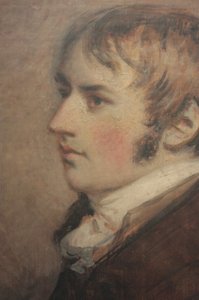
Констабль
1776 - 1837 , Великобританія
Короткі факти
- Artistic Movement Or Style: Романтизм
- Artists Or Movements Influenced By This Artist: ['Barbizon School']
- Artists Who Influenced This Artist:
- Claude Lorrain
- Ruisdael
- Date Of Birth: 11 червня 1776
- Date Of Death: 31 березня 1837
- Full Name: John Constable
- Nationality: Британський
- Notable Artworks:
- The Hay Wain
- Salisbury Cathedral
- Hadleigh Castle
- Place Of Birth: East Bergholt, UK
Пов'язані статті

Топ-10 шедеврів романтичного пейзажу: мистецтво, що захоплює дух | OriginalUniqueArt
Відкрийте для себе 10 шедеврів романтичного пейзажу! Каспар Давид Фрідріх, Тернер та інші майстри. Історія мистецтва, емоційні кольори природи та ідеї декору з OriginalUniqueArt.com. Дослідіть колекцію онлайн!

Джон Сінґер Са́рджент: 25 шедеврів американського імпресіонізму для вашого дому | OriginalUniqueArt
Відкрийте 25 найкращих картин Джона Сінґера Са́рджента – американського імпресіоніста, майстра портретів та елегантного живопису. Історія мистецтва, техніки та натхнення для вашого дому від OriginalUniqueArt.com! Дослідіть повну колекцію онлайн.
John Constable: Nature, Light & the Romantic Vision of Rural England
Explore the life & art of John Constable, the Romantic painter who revolutionized landscape with emotive scenes of rural England. Discover his techniques, legacy, and key works – perfect for collectors & enthusiasts.

Capturing the English Landscape: The Timeless Mastery and Romantic Legacy of John Constable
Explore the profound legacy of John Constable. Discover how his mastery of light, atmosphere, and the English landscape redefined Romanticism through timeless, museum-quality oil reproductions for discerning collectors.

Топ-25 шедеврів Джона Констебла: пейзажі Англії для вашого дому | OriginalUniqueArt
Відкрийте для себе 25 найкращих шедеврів Джона Констебла! Англійські пейзажі, романтизм та емоційне світло в живописі. Репродукції картин високої якості для вашого дому від OriginalUniqueArt.com. Дослідіть повну колекцію онлайн!