
 Переглянути в інтер'єрі
 Надіслати як листівку
 Поділитися
 Деталі витвору
 Посібник

 Завантажити
 Схожі екземпляри
 Рентгенівське дослідження
 Слайд-шоу
 Питання та відповіді
 Статистика
Помилка

- 40.0 x 31.0 cm


 Розгорнути текст
Гікле / Художній принт
Друк جيкле або на полотні музейної якості з оперативним виготовленням та різноманітними варіантами фінішної обробки. ( Замовити картину ручної роботи Перейти до цифрових зображень)




P118B ₴10

P118H ₴10

P118W ₴10

P438Z ₴10

P508JH ₴12

P508YH ₴12

P805H ₴10

P805Z ₴10

P919BZ ₴10

P919G ₴10

P919XJ ₴10

P959ZH ₴10

P968JZ ₴12

W106C ₴8

W218G ₴10

W218JH ₴8

W218Y ₴10

W307PJ ₴10

W316G ₴10

W316PJ ₴8

W316Y ₴10

W398PJ ₴8

W4111J ₴10

W500HY ₴15

W500JH ₴15

W692G ₴12

W849H ₴8

W940BG ₴15

W953PJ ₴8




Обирайте з наших стандартних розмірів, що відповідають оригінальним пропорціям твору мистецтва.

Введіть необхідну ширину та висоту, щоб принт ідеально підійшов до вашої рами або стіни. Принт можна лише обрізати, але не можна зробити більшим за оригінал, тому при зміні пропорцій частина зображення буде втрачена. Перед друком ми надсилаємо вам цифровий макет для затвердження. Зображення на цій сторінці не відображає реальну обрізку — її можна побачити лише на макеті.
Доставка по всьому світу () за 2 тижні замість стандартних 4/5 тижнів. (8 Листопад)

Безкоштовна експрес-доставка по всьому світу

Високоякісне лляне полотно

Повне страхове покриття доставки

Гарантія повернення митних зборів

Гарантія точного відтворення кольорів

Політика повернення протягом 100 днів (лише у разі виявлення дефектів)

Гарантія повернення 100% коштів

Пропозиція на оптові замовлення
 Скляний варіант доступний лише для розмірів до 110 см

Помилка
Гікле / Художній принт
Розмір репродукції
-


Підсумкова вартість
₴ 3637
Ніжний мазок пензля: Жан-Антуан Ватто та народження «галантних свят»
Жан-Антуан Ватто (1684–1721) — це ім'я, що відгукується ефірною красою епохи рококо. Він не був просто художником; він був архітектором почуттів. Народившись у Валансьє, Франція, він з ранніх років прищепив собі глибоку здатність до спостереження — захоплення повсякденним світом, переданим із надзвичайною делікатністю та грацією, що згодом стало наріжним каменем його художнього бачення. На відміну від багатьох сучасників, які дотримувалися жорстких академічних канонів, Ватто обрав шлях експериментів та інновацій, зрештою переосмисливши ландшафт мистецтва XVIII століття. Початкові труднощі у пошуку визнання в паризьких мистецьких колах лише підживили його рішучість, спрямувавши його до революційних досягнень, які й сьогодні незмінно захоплюють глядачів.- Ранні впливи: Формуючі роки Ватто пройшли в поглинанні жвавої атмосфери Валансьє — міста, сповненого ремісників та майстрів, — де він відточував своє вміння малювати серед гамірних ринків та мальовничих вуличок.
- Навчання у місцевих майстрів: Він отримував уроки від поважних художників Валансьє, що дозволило йому виробити дисциплінований підхід до техніки, одночасно плекаючи вроджену чутливість до кольору та композиції.
- Паризькі прагнення: Попри перші невдачі, Ватто невтомно йшов до своїх амбіцій у Парижі, усвідомлюючи його роль як епіцентру мистецького патронажу та інтелектуальних дискусій.
Винахід «галантних свят»: Жанр, визначений ілюзією
Унікальний внесок Ватто в історію мистецтва полягає у створенні жанру *fêtes galantes* («галантні свята»), який назавжди змінив сприйняття живопису. Ці ідилічні сцени, що часто зображували зібрання елегантно одягнених аристократів серед пасторальних пейзажів, були сповнені театрального шарму та непереборної привабливості. Ватто майстерно маніпулював перспективою, колірною палітрою та світловими ефектами, щоб створити ілюзію простору й атмосфери, переносячи глядача у сфери фантазії та романтики. На відміну від грандіозних сюжетів, притаманних художникам бароко, *fêtes galantes* ставили на перше місце емоцію та натяк, а не пряме розповідство, захоплюючи миттєву красу та насолоду з неперевершеною витонченістю.«Помилка»: Символізм та емоційний резонанс
Картина «Помилка», написана у 1716 році, є втіленням художнього етосу Ватто: майстерного поєднання спостережливості, уяви та психологічної проникливості. Зображення двох постатей — чоловіка, що схилився над жінкою — фіксує момент вразливості та несказаного бажання. Попри зовнішню простоту композиції, полотно резонує глибоким символічним змістом. Поза жінки передає дискомфорт, натякаючи на можливе порушення спокою через напір чоловіка — це тонкий коментар до соціальних умовностей та романтичної тривоги. Історичний контекст: Творчість Ватто з’явилася в період значних культурних трансформацій у Франції, коли аристократичне суспільство прагнуло до дозвілля та витончених почуттів. Жанр *fêtes galantes* відобразив цей зсув у бік гедонізму та ідеалізованих уявлень про красу — як реакцію проти урочистої величі бароко.Спадщина, що живе крізь репродукції
Наразі «Помилка» зберігається в Музеї Лувр у Парижі й стоїть як свідчення мистецького генія Ватто — шедевр, що продовжує надихати художників і колекціонерів. На щастя, високоякісні репродукції цього культового твору є у вільному доступі, що дозволяє ентузіастам по всьому світу відчути його красу та осмислити його незмінне значення. Принести бачення Ватто у свій дім — це можливість зануритися в елегантність і витонченість стилю рококо, що є справжнім святкуванням миттєвої краси та глибокого емоційного відгуку.Питання та відповіді
Чи можу я побачити «Помилка» роботи Жан-Антуан Ватто при іншому освітленні?
«Помилка» можна досліджувати шар за шаром на сторінці Рентгенівське дослідження твору — це інтерактивний візуалізатор, натхненний освітлювальним столом реставратора, що пропонує одинадцять оптичних пластів зображення.
Яка кольорова гама використана у творі "Помилка"?
У творі «Помилка» роботи Жан-Антуан Ватто використана Землисті відтінки палітра кольорів, що визначає загальний колорит роботи.
Чи залишився твір «Помилка» у батьківщині свого автора?
Ні — твір зберігається за кордоном. Жан-Антуан Ватто народився/народилася в Франція, а оригінал твору «Помилка» зберігається в музеї в France.
Біографія митця
A Delicate Brushstroke: The Life and Art of Jean-Antoine Watteau
Jean-Antoine Watteau, a name synonymous with the blossoming Rococo style, emerged from the northern French city of Valenciennes in 1684. His brief but incandescent career irrevocably altered the course of eighteenth-century painting, shifting its focus from the grandeur and drama of the Baroque to an intimate world of elegance, leisure, and subtle emotion. Unlike many artists who followed a clearly defined path, Watteau’s journey was marked by initial struggles for recognition within the established art institutions of Paris. Born into a family of modest means—his father a master roofer—young Jean-Antoine displayed an early aptitude for drawing, initially sketching the colorful characters and bustling scenes of his hometown streets. This formative experience instilled in him a keen eye for observation and a fascination with everyday life, themes that would permeate his later work. His initial training under local artists Jacques-Albert Gérin and Julien provided a foundation, but it was his move to Paris around 1702 that truly ignited his artistic development.From Theatrical Scenes to *Fêtes Galantes*
In the vibrant heart of Paris, Watteau entered the workshop of Claude Gillot, a painter specializing in theatrical designs and the popular genre of *fêtes galantes*—depictions of aristocratic outdoor entertainments. This apprenticeship proved pivotal. Gillot’s influence exposed Watteau to the world of commedia dell'arte, with its masked characters and playful narratives, which would become a recurring motif throughout his oeuvre. The theatricality of these scenes – elaborate costumes, masks, and choreographed movements – resonated deeply with Watteau, shaping his approach to composition and characterization. However, Watteau’s artistic sensibilities didn’t neatly align with the rigid categories favored by the Académie Royale de Peinture et de Sculpture. His genre paintings were deemed unsuitable for official recognition, leading to initial rejection when he attempted to compete for the prestigious Prix de Rome. Undeterred, and demonstrating a remarkable resilience, Watteau persevered, eventually gaining acceptance as a *maître amateur* in 1717—a status that allowed him to exhibit his work independently. This period marked a crucial turning point, allowing him to fully develop his unique style characterized by luminous colors, delicate brushwork, and an air of wistful melancholy. He began to move away from direct theatrical representation towards more poetic and evocative scenes, inventing the *fête galante* as a distinct genre—idyllic gatherings in park-like settings where aristocratic figures engaged in flirtatious pursuits and refined pastimes.The Essence of Rococo: Style and Masterpieces
Watteau’s paintings are instantly recognizable for their distinctive qualities. He possessed an unparalleled ability to capture the elegance and refinement of aristocratic life, not through bombastic displays of power or wealth, but through subtle gestures, nuanced expressions, and a masterful use of light and color. His figures exude a poetic grace and a delicate emotional depth that sets them apart from the more formal portraits of his predecessors. The Country Dance (1718-1721), perhaps one of his most celebrated works, exemplifies this perfectly—a vibrant scene depicting carefree rustic life with exquisite detail and an underlying sense of longing. The painting captures a moment of joyful abandon, yet there’s a subtle melancholy woven into the fabric of the scene, reflecting Watteau's own contemplative nature. Other masterpieces such as Ceres (Summer) (1705) demonstrate his skill in portraying the beauty of nature and the human form, while The Embarkation for Cythera (1717) and its companion piece, Pilgrimage to Cythera, are iconic depictions of mythological journeys to the island of love, imbued with a sense of mystery and romantic yearning. Even his theatrical portraits, like Gilles (1719), possess an enigmatic quality that invites contemplation – a fleeting glimpse into the inner lives of his subjects. Watteau’s technique was equally innovative; he employed a feathery brushstroke and a delicate layering of colors to create a shimmering effect, capturing the fleeting beauty of light and atmosphere. The use of *sfumato*, borrowed from Venetian masters, added an ethereal quality to his landscapes and portraits alike.Influences and Artistic Roots
Watteau’s artistic development was shaped by a diverse range of influences. He deeply admired Venetian Renaissance masters like Titian and Veronese, particularly their rich color palettes and dynamic compositions. The influence of Flemish artists such as Rubens is also evident in his energetic brushwork and sensuous figures. Watteau wasn't simply imitating these predecessors; he synthesized their techniques and sensibilities into something entirely new and uniquely his own—a style that became the hallmark of Rococo painting. He was particularly drawn to the works of Nicolas Poussin, whose use of light and color informed his own approach to landscape painting. The delicate handling of form and atmosphere in Poussin’s compositions resonated with Watteau's desire to capture fleeting moments of beauty and emotion. Furthermore, Watteau’s interest in theatrical design—rooted in the world of commedia dell’arte—provided a crucial element for his *fêtes galantes*, imbuing them with an air of playful sophistication.Legacy and Enduring Influence
Watteau's artistic lineage is complex, drawing inspiration from diverse sources. Despite a tragically short life—he succumbed to tuberculosis in 1721 at the age of just thirty-seven—Watteau left an indelible mark on art history. His work profoundly influenced generations of artists, including Fragonard and Boucher, who further developed the themes and techniques he pioneered. He redefined genre painting, elevating it to a level of artistic sophistication previously reserved for historical or religious subjects. Today, his paintings are treasured in major museums worldwide—from the National Gallery of Art in Washington D.C. to the Museo del Prado in Madrid—continuing to captivate audiences with their beauty, grace, and enduring appeal, solidifying his place as one of the most important and beloved artists of the Rococo period. His legacy lies not only in his stunning visual creations but also in his ability to evoke a sense of longing, nostalgia, and the ephemeral nature of beauty—qualities that continue to resonate with viewers centuries later.
Жан-Антуан Ватто
1684 - 1721 , Франція
Короткі факти
- Artistic Movement Or Style: Рококо
- Artists Or Movements Influenced By This Artist:
- Фрagonard
- Буше
- Artists Who Influenced This Artist:
- Тіццо
- Верронезе
- Рубенс
- Date Of Birth: 1684
- Date Of Death: 1721
- Full Name: Jean-Antoine Watteau
- Nationality: Француз
- Notable Artworks:
- Танці в країні
- Церера (Літо)
- Шлюбний контракт
- Place Of Birth: Валенсієни, Франція
Пов'язані статті

The Rococo Aesthetic: Opulence, Rebellion & the Pursuit of Pleasure in 18th-Century Art
Explore the opulent world of Rococo art! Discover its origins, key artists like Watteau & Boucher, and lasting influence on design. Expert insights for collectors & enthusiasts.

The Fête Galante & Beyond: Exploring the Artistic World of Jean-Antoine Watteau
Discover the captivating world of Jean-Antoine Watteau, master of the Fête Galante! Explore his iconic paintings, symbolism, and lasting influence on Rococo art. A deep dive for classic art enthusiasts.
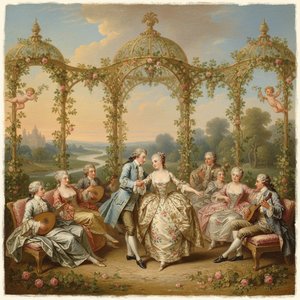
Jean-Baptiste Pater: Rococo Charm & Ephemeral Beauty of 18th-Century France
Explore the captivating world of Jean-Baptiste Pater, a master of Rococo painting. Discover his elegant *fête galante* scenes and shimmering portraits – a glimpse into 18th-century French aristocracy. Learn about his legacy & find high-quality reproductions.

The Allure of Elegance in Art: A Historical & Aesthetic Exploration of Refinement & Grace
Explore the exquisite world of Rococo art! Discover its history, masters (Watteau, Boucher & more), and defining elegance. Expert insights for collectors seeking museum-quality reproductions & custom portraits.

Топ-10 шедеврів рококо: мистецтво для вашого інтер'єру від OriginalUniqueArt.com
Відкрийте для себе 10 шедеврів рококо від Буше, Фрагонара та Ватто! Історія мистецтва, вишукані техніки та натхнення для декору вашого дому. Репродукції картин високої якості – OriginalUniqueArt.com.


