

 Переглянути в інтер'єрі
 Надіслати як листівку
 Поділитися
 Детальніше

 Завантажити
 Схожі експонати
 Рентгенівське дослідження
 Слайд-шоу
 Статистика
Каскад


 Читати далі
Олійная репродукція ручної роботи
Написана вручну олією на полотні у вашому розмірі та рамі, виготовлена на замовлення нашими художниками. ( Перейти до друку Перейти до цифрових зображень)




P118B $10

P118H $10

P118W $10

P438Z $10

P508JH $12

P508YH $12

P805H $10

P805Z $10

P919BZ $10

P919G $10

P919XJ $10

P959ZH $10

P968JZ $12

W106C $8

W218G $10

W218JH $8

W218Y $10

W307PJ $10

W316G $10

W316PJ $8

W316Y $10

W398PJ $8

W4111J $10

W500HY $15

W500JH $15

W692G $12

W849H $8

W940BG $15

W953PJ $8




Обирайте з наших стандартних розмірів, що відповідають оригінальним пропорціям твору мистецтва.

Ви можете вказати власні розміри, щоб репродукція ідеально підійшла до конкретної рами або інтер'єру. Якщо вибраний вами розмір не відповідає пропорціям оригіналу, ми або обріжемо полотно, або доповнимо картину додатковими елементами, промальованими вручну. Цифровий макет буде надіслано вам на затвердження перед початком виробництва.
Зверніть увагу, що попередній перегляд на екрані не відображає фактичне обрізання або розширення зображення. Тільки макет точно покаже остаточну композицію.
Хоча ми можемо виготовити виріб у нестандартному розмірі, для збереження оригінальних пропорцій рекомендуємо обирати варіанти зі встановленого списку.
Після оформлення замовлення команда OriginalUniqueArt.com зв'яжеться з клієнтом електронною поштою для отримання інструкцій та надасть попередній макет
Доставка по всьому світу () за 3–4 тижні замість стандартних 5 тижнів. (13 Вересень). Без жодних компромісів у якості.

Безкоштовна експрес-доставка по всьому світу

Високоякісне лляне полотно

Повне страхове покриття доставки

Гарантія відшкодування митних зборів

Гарантія точного відтворення кольорів

Політика повернення протягом 100 днів (тільки у разі виявлення дефектів)

Гарантія повернення 100% коштів

Пропозиція на оптові замовлення
 Скляний варіант доступний лише для розмірів до 110 см

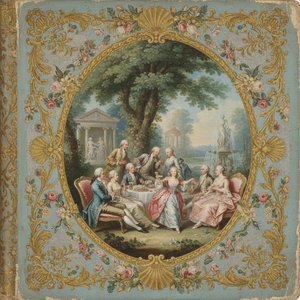
Каскад
Матеріал репродукції
Розмір репродукції
-


Підсумкова вартість
$ 425
A Glimpse into Rococo Elegance: Jean-Antoine Watteau's "The Cascade"
- Тема та Композиція: Ця захоплива кругла картина маслом, “Каскад”, переносить глядачів у світ аристократичного відпочинку на початку 18 століття. Спочатку вона була частиною пари з "Танок у Полях", обидві пізніше були трансформовані в рондели. Картина зображує молочну пару, елегантно одягнену в костюми того часу, оточену кількома дітьми серед пишних дерев та рослин. Центральні фігури розташовані помітно, створюючи збалансовану композицію, яка привертає увагу до їх витонченої присутності. Включення дітей додає шар чарівності та натякає на теми сім’ї та соціальної гармонії.
- Стиль та Техніка: “Каскад” є прикладом стилю Рококо, який характеризується акцентом на грацію, легкість і детальність. Ватто майстерно використовує м'яке, розсіяне світло для створення спокійної атмосфери, нагадуючи хмарний день або затінені парки. Перспектива злегка притиснута, що зосереджує увагу на центральних фігурах і підсилює близькість сцени. Техніка художника включає змішування кольорів та уважність до деталей, що видно у плавному зображенні відтінків шкіри та одягу, контрастуючи з більш помітними мазками пензля для фону – листя та неба. Це демонструє вміле володіння технікою живопису маслом.
- Історичний Контекст та Розвиток Мистецтва: Жан-Антуан Ватто (1684–1721) був ключовою фігурою, що з’єднувала епохи Бароко та Рококо в французькому мистецтві. Народився у Валенцієнах, він відточив свої навички під керівництвом місцевих художників, перш ніж переїхати до Парижа близько 1702 року. Спочатку він навчався у Шарля Жило, який спеціалізувався на театральних сценах та *феті галант* – аристократських відкритих розваг, що глибоко вплинуло на мистецьку діяльність Ватто. Його жанрові картини не вписувалися у встановлені категорії Королівської Академії Живопису та Скульптури, підкреслюючи його інноваційний підхід до мистецтва. “Каскад”, разом з такими роботами, як “Танок у Полях”, демонструє характерний стиль Ватто і значно вплинув на еволюцію естетики Рококо.
- Символізм та Емоційний Вплив: За межами його естетичної краси, “Каскад” несе символічне значення. Сцена представляє ідеалізоване бачення аристократичного життя – світ відпочинку, дружби та витонченої соціальної взаємодії. Присутність дітей натякає на теми безперервності та майбутнього. Загальна атмосфера спокійна та насолода, викликаючи відчуття ностальгії за давно минулим епоху. Сам круговий формат також сприяє відчуттю близькості та формальності, залучаючи глядача в цю ідилічну сцену.
- Наслідування та Відтворення: Хоча оригінальний “Каскад” знаходиться у приватній колекції, копії були створені до 1820-х років невідомим художником, що демонструє його безперервний інтерес. Сьогодні високоякісні відтворення дозволяють ентузіастам мистецтва та колекціонерам особисто відчути красу та елегантність шедевру Ватто. Володіння відтворенням “Каскаду” – це не лише придбання вражаючої картини, але й зв’язок з епохою Рококо та творчою майстерністю Жана-Антуана Ватто.
Про Жана-Антуана Ватто
- Народження: Валенцієни, Франція (1684)
- Смерть: 1721
- Рання Життя та Навчання: Жан-Антуан Ватто отримав своє перше мистецьке навчання від Жака-Альбера Жило та пізніше, можливо, від Жюліена, обох місцевих художників у Валенцієнах. Приблизно в 1702 році він переїхав до Парижа, що стало вирішальним моментом у його кар’єрі.
- Підйом до Промисловості: Прибувши до Парижа, Ватто вступив до майстерні Шарля Жило, який спеціалізувався на театральних сценах та *феті галант*. Спочатку він мав труднощі з прийняттям у Королівську Академію Живопису та Скульптури через те, що його жанрові картини не вписувалися у встановлені категорії.
Біографія митця
A Delicate Brushstroke: The Life and Art of Jean-Antoine Watteau
Jean-Antoine Watteau, a name synonymous with the blossoming Rococo style, emerged from the northern French city of Valenciennes in 1684. His brief but incandescent career irrevocably altered the course of eighteenth-century painting, shifting its focus from the grandeur and drama of the Baroque to an intimate world of elegance, leisure, and subtle emotion. Unlike many artists who followed a clearly defined path, Watteau’s journey was marked by initial struggles for recognition within the established art institutions of Paris. Born into a family of modest means—his father a master roofer—young Jean-Antoine displayed an early aptitude for drawing, initially sketching the colorful characters and bustling scenes of his hometown streets. This formative experience instilled in him a keen eye for observation and a fascination with everyday life, themes that would permeate his later work. His initial training under local artists Jacques-Albert Gérin and Julien provided a foundation, but it was his move to Paris around 1702 that truly ignited his artistic development.From Theatrical Scenes to *Fêtes Galantes*
In the vibrant heart of Paris, Watteau entered the workshop of Claude Gillot, a painter specializing in theatrical designs and the popular genre of *fêtes galantes*—depictions of aristocratic outdoor entertainments. This apprenticeship proved pivotal. Gillot’s influence exposed Watteau to the world of commedia dell'arte, with its masked characters and playful narratives, which would become a recurring motif throughout his oeuvre. The theatricality of these scenes – elaborate costumes, masks, and choreographed movements – resonated deeply with Watteau, shaping his approach to composition and characterization. However, Watteau’s artistic sensibilities didn’t neatly align with the rigid categories favored by the Académie Royale de Peinture et de Sculpture. His genre paintings were deemed unsuitable for official recognition, leading to initial rejection when he attempted to compete for the prestigious Prix de Rome. Undeterred, and demonstrating a remarkable resilience, Watteau persevered, eventually gaining acceptance as a *maître amateur* in 1717—a status that allowed him to exhibit his work independently. This period marked a crucial turning point, allowing him to fully develop his unique style characterized by luminous colors, delicate brushwork, and an air of wistful melancholy. He began to move away from direct theatrical representation towards more poetic and evocative scenes, inventing the *fête galante* as a distinct genre—idyllic gatherings in park-like settings where aristocratic figures engaged in flirtatious pursuits and refined pastimes.The Essence of Rococo: Style and Masterpieces
Watteau’s paintings are instantly recognizable for their distinctive qualities. He possessed an unparalleled ability to capture the elegance and refinement of aristocratic life, not through bombastic displays of power or wealth, but through subtle gestures, nuanced expressions, and a masterful use of light and color. His figures exude a poetic grace and a delicate emotional depth that sets them apart from the more formal portraits of his predecessors. The Country Dance (1718-1721), perhaps one of his most celebrated works, exemplifies this perfectly—a vibrant scene depicting carefree rustic life with exquisite detail and an underlying sense of longing. The painting captures a moment of joyful abandon, yet there’s a subtle melancholy woven into the fabric of the scene, reflecting Watteau's own contemplative nature. Other masterpieces such as Ceres (Summer) (1705) demonstrate his skill in portraying the beauty of nature and the human form, while The Embarkation for Cythera (1717) and its companion piece, Pilgrimage to Cythera, are iconic depictions of mythological journeys to the island of love, imbued with a sense of mystery and romantic yearning. Even his theatrical portraits, like Gilles (1719), possess an enigmatic quality that invites contemplation – a fleeting glimpse into the inner lives of his subjects. Watteau’s technique was equally innovative; he employed a feathery brushstroke and a delicate layering of colors to create a shimmering effect, capturing the fleeting beauty of light and atmosphere. The use of *sfumato*, borrowed from Venetian masters, added an ethereal quality to his landscapes and portraits alike.Influences and Artistic Roots
Watteau’s artistic development was shaped by a diverse range of influences. He deeply admired Venetian Renaissance masters like Titian and Veronese, particularly their rich color palettes and dynamic compositions. The influence of Flemish artists such as Rubens is also evident in his energetic brushwork and sensuous figures. Watteau wasn't simply imitating these predecessors; he synthesized their techniques and sensibilities into something entirely new and uniquely his own—a style that became the hallmark of Rococo painting. He was particularly drawn to the works of Nicolas Poussin, whose use of light and color informed his own approach to landscape painting. The delicate handling of form and atmosphere in Poussin’s compositions resonated with Watteau's desire to capture fleeting moments of beauty and emotion. Furthermore, Watteau’s interest in theatrical design—rooted in the world of commedia dell’arte—provided a crucial element for his *fêtes galantes*, imbuing them with an air of playful sophistication.Legacy and Enduring Influence
Watteau's artistic lineage is complex, drawing inspiration from diverse sources. Despite a tragically short life—he succumbed to tuberculosis in 1721 at the age of just thirty-seven—Watteau left an indelible mark on art history. His work profoundly influenced generations of artists, including Fragonard and Boucher, who further developed the themes and techniques he pioneered. He redefined genre painting, elevating it to a level of artistic sophistication previously reserved for historical or religious subjects. Today, his paintings are treasured in major museums worldwide—from the National Gallery of Art in Washington D.C. to the Museo del Prado in Madrid—continuing to captivate audiences with their beauty, grace, and enduring appeal, solidifying his place as one of the most important and beloved artists of the Rococo period. His legacy lies not only in his stunning visual creations but also in his ability to evoke a sense of longing, nostalgia, and the ephemeral nature of beauty—qualities that continue to resonate with viewers centuries later.
Жан-Антуан Ватто
1684 - 1721 , Франція
Короткі факти
- Artistic Movement Or Style: Рококо
- Artists Or Movements Influenced By This Artist:
- Фрagonard
- Буше
- Artists Who Influenced This Artist:
- Тіццо
- Верронезе
- Рубенс
- Date Of Birth: 1684
- Date Of Death: 1721
- Full Name: Jean-Antoine Watteau
- Nationality: Француз
- Notable Artworks:
- Танці в країні
- Церера (Літо)
- Шлюбний контракт
- Place Of Birth: Валенсієни, Франція
Пов'язані статті

The Allure of Elegance in Art: A Historical & Aesthetic Exploration of Refinement & Grace
Explore the exquisite world of Rococo art! Discover its history, masters (Watteau, Boucher & more), and defining elegance. Expert insights for collectors seeking museum-quality reproductions & custom portraits.

Rococo Art: The Era of Elegance, Romance, and Golden Splendor
Immerse yourself in the splendor of Rococo art. Discover the era of elegance through masterworks by Watteau and Fragonard. Explore themes of romance, aristocratic leisure, and gilded ornamentation in this definitive guide to 18th-century French opulence.

The Rococo Aesthetic: Opulence, Rebellion & the Pursuit of Pleasure in 18th-Century Art
Explore the opulent world of Rococo art! Discover its origins, key artists like Watteau & Boucher, and lasting influence on design. Expert insights for collectors & enthusiasts.

Топ-10 шедеврів рококо: мистецтво для вашого інтер'єру від OriginalUniqueArt.com
Відкрийте для себе 10 шедеврів рококо від Буше, Фрагонара та Ватто! Історія мистецтва, вишукані техніки та натхнення для декору вашого дому. Репродукції картин високої якості – OriginalUniqueArt.com.
The Rococo Style: Aristocratic Leisure & the Pursuit of Delight in 18th-Century Art
Explore the opulent world of Rococo art! Discover Watteau, Boucher & Nattier's masterpieces. Expert insights for collectors seeking museum-quality reproductions and custom portraits at OriginalUniqueArt.


