- Додому

- Друк на полотні
- Іван Айвазовський
- The sunset
 Preview
 Замовити репродукцію Купити цифрове зображення
 Надіслати
 Поділитися
 Деталі витвору
 Додати до улюблених

 Завантажити
 Схожі вироби
 Рентгенівське дослідження
 Слайд-шоу
The sunset
 Acrylic On Canvas
- WallArt
- Romantic Landscape Painting
 1866
1866- 19th Century
 46.0 x 61.0 cm
 Розгорнути текст
Гікле / Художній принт
Музейна якість друку جيкле або на полотні з оперативним виготовленням та різноманітними варіантами фінішної обробки.




P118B $10

P118H $10

P118W $10

P438Z $10

P508JH $12

P508YH $12

P805H $10

P805Z $10

P919BZ $10

P919G $10

P919XJ $10

P959ZH $10

P968JZ $12

W106C $8

W218G $10

W218JH $8

W218Y $10

W307PJ $10

W316G $10

W316PJ $8

W316Y $10

W398PJ $8

W4111J $10

W500HY $15

W500JH $15

W692G $12

W849H $8

W940BG $15

W953PJ $8




Обирайте з наших стандартних розмірів, що відповідають оригінальним пропорціям твору мистецтва.

Ви можете вказати власні розміри, щоб репродукція ідеально підійшла до конкретної рами або інтер'єру. Якщо обраний вами розмір не відповідає пропорціям оригіналу, ми або обріжемо полотно, або розширимо зображення за допомогою дзеркального відображення чи суцільної заливки країв. Перед початком виробництва вам буде надіслано цифровий макет для затвердження.
Будь ласка, зверніть увагу, що попередній перегляд на екрані не відображає фактичне обрізання або розширення. Тільки макет точно покаже фінальну композицію.
Хоча можливість замовлення індивідуальних розмірів доступна, ми рекомендуємо обирати формат із попередньо визначеного списку, щоб зберегти оригінальні пропорції.
Доставка по всьому світу () за 2 тижні замість стандартних 4/5 тижнів. (25 Липень)

Безкоштовна експрес-доставка по всьому світу

Високоякісне лляне полотно

Повне страхове покриття доставки

Гарантія відшкодування митних зборів

Гарантія точного відтворення кольорів

Політика повернення протягом 60 днів (лише у разі виявлення дефектів)

Гарантія повернення 100% коштів

Знижка на багатоелементні замовлення
 Скляний варіант доступний лише для розмірів до 110 см

The sunset
Гікле / Художній принт
Розмір репродукції
-


Підсумкова ціна
-
Опис експоната
Aivazovsky's 'The Sunset': A Symphony of Sea and Soul
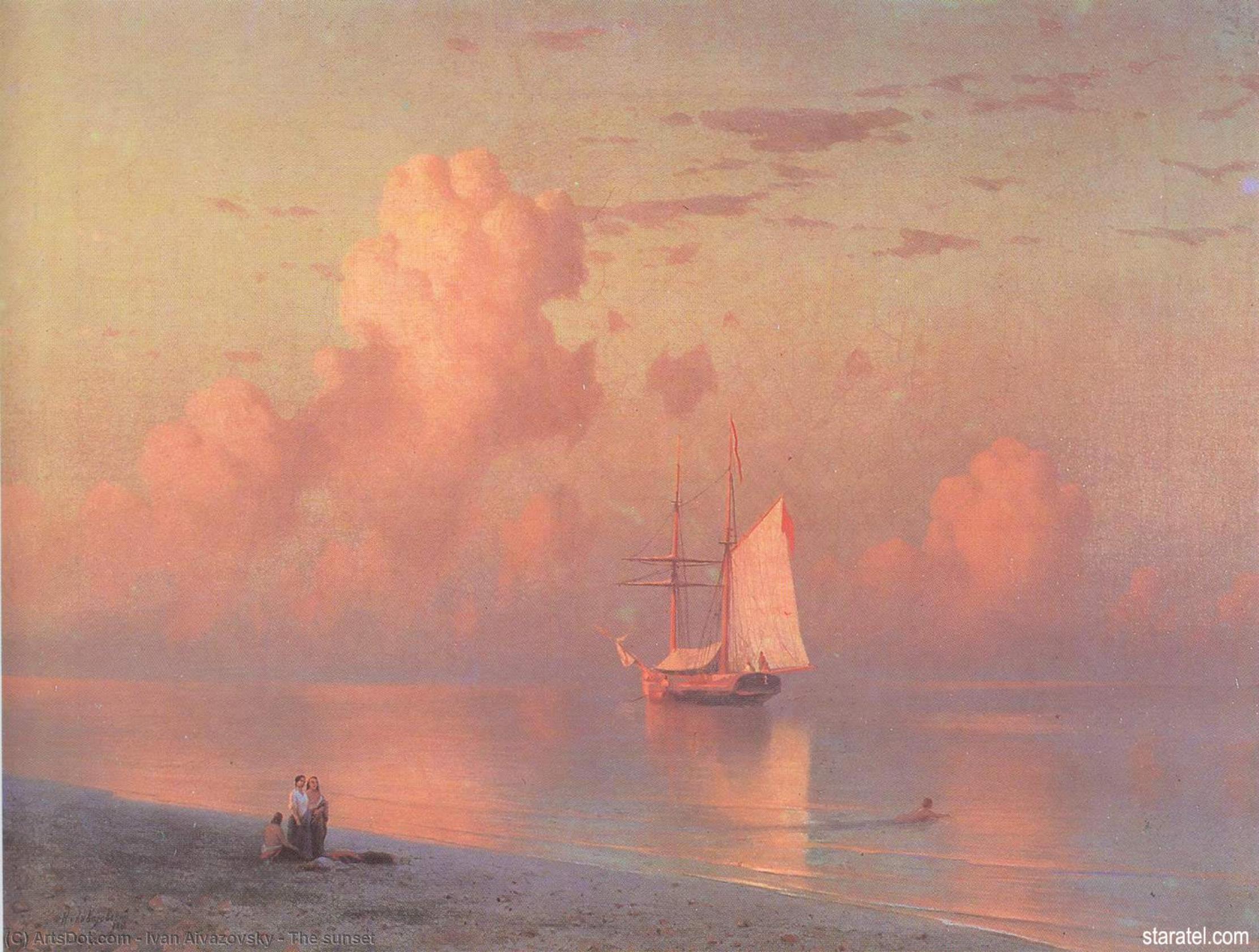
This captivating seascape, painted in 1866 by the titan of Russian Romanticism, Ivan Konstantinovich Aivazovsky, transcends a simple depiction of a sailboat; it’s an immersive experience of the Black Sea’s raw power and serene beauty. Measuring 46 x 61 cm, this work embodies Aivazovsky's lifelong obsession – his profound connection to the ocean that dictated both his subject matter and his artistic technique. The scene unfolds with remarkable realism: a sailboat, propelled by unseen forces, cuts across the water’s surface, while two figures stand on the shore, lost in contemplation of its passage. A surfboard adds an unexpected touch, hinting at the evolving relationship between humanity and nature's boundless energy.
- Subject Matter: A quintessential seascape focusing on a sailboat navigating the Black Sea.
- Artist: Ivan Konstantinovich Aivazovsky – a master of marine painting renowned for his dramatic use of light and color.
- Date: 1866 - a period reflecting Aivazovsky's continued mastery and exploration of maritime themes.
The Romantic Vision of the Sea
Aivazovsky’s work is deeply rooted in the tenets of Russian Romanticism, an artistic movement that prioritized emotion, individualism, and the sublime power of nature. Unlike earlier depictions of the sea as a symbol of order or commerce, Aivazovsky presented it as a force both terrifying and magnificent – a realm of untamed beauty and unpredictable danger. This painting exemplifies this approach, capturing not just the visual spectacle but also the emotional response one might feel in the presence of such an immense and powerful natural phenomenon. The dramatic use of light, particularly the golden hues of the setting sun reflecting off the water, is characteristic of Aivazovsky’s style and contributes significantly to the painting's emotive impact.
Technique and Materials: A Masterful Hand
Aivazovsky was a virtuoso of oil paint, renowned for his ability to create an almost tangible illusion of movement on canvas. His technique involved layering thin glazes of color – a process known as ‘alla prima’ – allowing the light to penetrate through each layer and creating a shimmering effect that mimics the play of sunlight on water. The brushwork is loose yet controlled, conveying both the turbulence of the waves and the smooth glide of the sailboat. The use of impasto – thick application of paint – in areas like the crests of the waves adds further texture and dynamism to the composition. This meticulous attention to detail and masterful execution are hallmarks of Aivazovsky’s oeuvre.
Symbolism and Historical Context
Painted in 1866, ‘The Sunset’ reflects a period of significant change in Russia, marked by industrialization and modernization. However, Aivazovsky remained steadfastly committed to his beloved sea, viewing it as a timeless symbol of Russian identity and resilience. The sailboat itself can be interpreted as representing progress and human ambition against the backdrop of nature's enduring power. Aivazovsky’s work was hugely influential, establishing him as one of the most celebrated marine artists in history, and his paintings continue to resonate with viewers today due to their profound connection to the natural world.
Біографія митця
A Life Embraced by the Waves
Ivan Konstantinovich Aivazovsky, born Hovhannes Aivazian in 1817, was more than a painter of seascapes; he was a conduit to the ocean’s soul. His very existence seemed inextricably linked to the Black Sea—a vast, unpredictable expanse that would forever dominate his artistic vision and fuel an extraordinary career spanning nearly six decades. Born in the Crimean port city of Feodosia, Aivazovsky didn't merely observe the sea; he felt it – its raw energy, sublime beauty, and inherent danger becoming the very essence of his art. From a young age, this connection was nurtured, initially by local architect Jacob Koch who recognized the boy’s talent, then blossoming within the rigorous academic environment of the Imperial Academy of Arts in Saint Petersburg. Yet, formal training alone couldn't account for the depth of Aivazovsky’s understanding; it was the constant presence of salt-laced air and the cries of gulls that truly shaped his artistic sensibility. His Armenian heritage also played a significant role, as he was baptized at the St. Sargis Armenian Church in Feodosia and maintained strong cultural ties throughout his life, occasionally incorporating Armenian themes into his expansive body of work.The Early Years: Crimean Roots and Artistic Beginnings
Aivazovsky’s early years were profoundly shaped by his Crimean upbringing. Feodosia, a bustling port city with a rich maritime history, provided him with an unparalleled connection to the sea. The salty air, the vibrant colors of the harbor, and the constant movement of ships instilled in him a deep appreciation for the ocean's power and beauty. His family’s modest circumstances fostered resilience and a strong work ethic—qualities that would prove invaluable throughout his career. Recognizing his exceptional talent at a young age, Jacob Koch, a local architect, encouraged Aivazovsky’s artistic pursuits, providing him with early instruction and guidance. This initial nurturing paved the way for his acceptance into the Imperial Academy of Arts in Saint Petersburg, where he honed his skills under the tutelage of established masters. Despite the formal training, Aivazovsky always maintained a strong connection to his Crimean roots, drawing inspiration from the landscapes and maritime traditions of his homeland. His early works often depicted scenes of Feodosia’s harbor, capturing its unique atmosphere and showcasing his developing technical abilities.The Italian Influence: Refining a Distinct Style
In the early 1840s, Aivazovsky embarked on a transformative journey to Italy, a pivotal period in his artistic development. Immersing himself in the landscapes of Tuscany, Umbria, and other regions, he encountered new light, color palettes, and compositional techniques that profoundly influenced his style. He studied the works of masters like Claude Lorrain and Canaletto, absorbing their mastery of perspective, atmospheric effects, and dramatic lighting. Italy allowed him to break free from the rigid conventions of Russian academic art and develop a more expressive and personal approach. He began experimenting with looser brushstrokes, brighter colors, and a greater emphasis on capturing fleeting moments of light and atmosphere. This period marked a significant shift in his artistic vision—a move towards a more Romantic style characterized by dramatic compositions and an intense emotional response to the natural world.A Painter of the Navy: Access and Artistic Flourishing
Aivazovsky’s career took a decisive turn upon his appointment as the main painter of the Russian Navy in 1845. This wasn't merely a prestigious title; it was access—access to ships, sailors, naval battles, and firsthand observation that profoundly influenced his work. He became intimately acquainted with maritime life, witnessing firsthand the challenges and triumphs of naval service. He spent years aboard various warships, documenting naval engagements, capturing the drama of ship-to-ship combat, and portraying the lives of sailors at sea. This direct experience infused his paintings with an unparalleled sense of authenticity and realism. His depictions of naval battles—works like *The Ninth Wave* and *Ship in a Stormy Sea*—became iconic representations of Russian military prowess and maritime heroism. He wasn’t simply recording events; he was conveying the raw emotion, the chaos, and the sheer power of these encounters.Masterpieces and Legacy: A Lasting Impact
Throughout his prolific career, Aivazovsky created over 6,000 paintings, along with numerous graphic drawings, watercolours and sepias. His most celebrated works—including *The Ninth Wave*, *Ship in a Stormy Sea*, *Seascape with Full Moon*, and *Chaos (The Creation)*—are testaments to his extraordinary talent and artistic vision. These paintings are characterized by their dramatic compositions, masterful use of color, and evocative portrayal of the sea’s moods and mysteries. Aivazovsky's influence extended far beyond Russia; his work was exhibited throughout Europe and America, earning him international acclaim. He established an art gallery in Feodosia, preserving his legacy and providing a space for future generations to appreciate his artistic achievements. Today, Ivan Konstantinovich Aivazovsky is recognized as one of the greatest marine artists of all time—a master who captured the essence of the sea with unparalleled skill and passion. His paintings continue to inspire awe and wonder, reminding us of the enduring power and beauty of nature.- Key Works: *The Ninth Wave*, *Ship in a Stormy Sea*, *Seascape with Full Moon*, *Chaos (The Creation)*
- Technique: Known for his use of thin layers of paint to create luminous textures and capturing fleeting light effects.
- Subject Matter: Primarily focused on seascapes, coastal scenes, and naval battles.

Іван Айвазовський
1817 - 1900 , Україна
Короткі факти
- Artistic Movement Or Style: Романтизм, морське мистецтво
- Artists Or Movements Influenced By This Artist: ['Російське краєзнавче живопис']
- Artists Who Influenced This Artist:
- Джон М. В. Тёрнер
- Сильвестр Щедрін
- Date Of Birth: 1817
- Date Of Death: 1900
- Full Name: Ivan Konstantinovich Aivazovsky
- Nationality: Російсько-армянський
- Notable Artworks:
- «Девятая волна»
- Корабель у штормовому морі
- Морський пейзаж із повним місяцем
- Place Of Birth: Феодосія, Росія
Пов'язані статті

Джеймс Ебботт МакНейл Вістлер: 25 шедеврів імпресіонізму для вашого дому | OriginalUniqueArt
Відкрийте 25 шедеврів Джеймса Вістлера – імпресіонізм, портрети та нічні сцени. Історія мистецтва, техніки живопису та натхнення для декору вашого дому від OriginalUniqueArt. Дослідіть колекцію онлайн!
Топ-25 шедеврів Метрополітен-музею: мистецтво для вашого дому від OriginalUniqueArt
Відкрийте для себе 25 найвідоміших шедеврів Метрополітен-музею! Історія мистецтва від Ван Гога до Моне. Репродукції картин онлайн – надихайтесь та створіть власний розкішний інтер'єр з OriginalUniqueArt.com.

Топ-10 шедеврів живопису в чорних тонах: історія, мистецтво та декор від OriginalUniqueArt
Відкрийте для себе 10 найвідоміших картин у чорних тонах! Історія, техніка та емоції від OriginalUniqueArt. Романтизм, готика, експресіонізм – шедеври живопису онлайн. Купіть репродукцію мрії на OriginalUniqueArt.com!
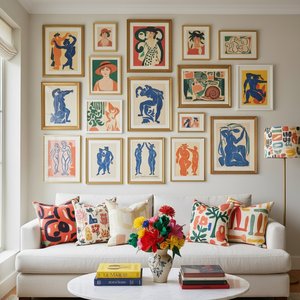
Топ-25 шедеврів Анрі Матісса: Кольори та форми, що змінили мистецтво | OriginalUniqueArt
Відкрийте для себе 25 найвідоміших шедеврів Анрі Матісса! Дізнайтесь історію фавізму, колірних рішень та унікального стилю художника. Репродукції картин Матісса для вашого дому – на OriginalUniqueArt.com. Дослідіть колекцію онлайн!
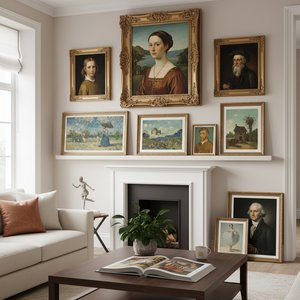
Топ-25 шедеврів Національної галереї мистецтв: подорож у світ краси та натхнення | OriginalUniqueArt
Відкрийте для себе 25 шедеврів Національної галереї мистецтв! Історія Сезанна, Матісса, Пікассо та інших геніїв. Репродукції картин онлайн – надихайтесь для декору вашого дому з OriginalUniqueArt.com.