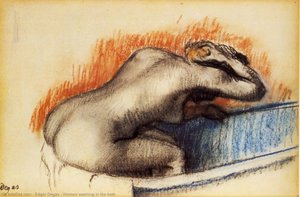
Переглянути в інтер'єрі
 Надіслати
 Поділитися
 Деталі
 Guide
Guide

 Завантажити
 Схожі предмети колекціонування
 Рентгенівське дослідження
 Слайд-шоу
 Статистика переглядів
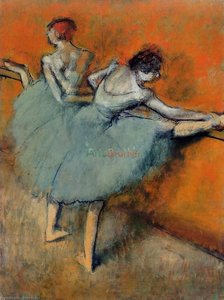
На балеті


 Читати далі
Гікле / Художній принт
Музейна якість друку جيкле або на полотні з оперативним виготовленням та різноманітними варіантами фінішної обробки. ( Купити картину ручної роботи Перейти до цифрових зображень)




P118B $10

P118H $10

P118W $10

P438Z $10

P508JH $12

P508YH $12

P805H $10

P805Z $10

P919BZ $10

P919G $10

P919XJ $10

P959ZH $10

P968JZ $12

W106C $8

W218G $10

W218JH $8

W218Y $10

W307PJ $10

W316G $10

W316PJ $8

W316Y $10

W398PJ $8

W4111J $10

W500HY $15

W500JH $15

W692G $12

W849H $8

W940BG $15

W953PJ $8




Обирайте з наших стандартних розмірів, що відповідають оригінальним пропорціям твору мистецтва.

Ви можете вказати власні розміри, щоб репродукція ідеально підійшла до конкретної рами або інтер'єру. Якщо обраний вами розмір не відповідає пропорціям оригіналу, ми або обріжемо полотно, або розширимо зображення за допомогою дзеркального відображення чи суцільної заливки країв. Перед початком виробництва вам буде надіслано цифровий макет для затвердження.
Будь ласка, зверніть увагу, що попередній перегляд на екрані не відображає фактичне обрізання або розширення. Тільки макет точно покаже фінальну композицію.
Хоча можливість замовлення індивідуальних розмірів доступна, ми рекомендуємо обирати формат із попередньо визначеного списку, щоб зберегти оригінальні пропорції.
Доставка по всьому світу () за 2 тижні замість стандартних 4/5 тижнів. (20 Вересень)

Безкоштовна експрес-доставка по всьому світу

Високоякісне лляне полотно

Повне страхове покриття доставки

Гарантія повернення митних зборів

Гарантія точного відтворення кольорів

Політика повернення протягом 100 днів (лише у разі виявлення дефектів)

Гарантія повернення 100% коштів

Знижка на оптові замовлення
 Скляний варіант доступний лише для розмірів до 110 см

На балеті
Гікле / Художній принт
Розмір репродукції
-


Загальна вартість
$ 80
A Glimpse Behind the Curtain: Decoding Degas’s “At the Ballet”
Едгар Дега створив у 1881 році пастельний твір *At the Ballet*, який пропонує захопливе та надзвичайно близьке погляду на світ паризького балету – не з розкішної перспективи глядачів, а за лаштунками серед підготовки та очікування. Ця картина значно більше, ніж просто зображення танцівниць; це дослідження людських моментів, миттєвих виразів облич і відданої майстерності, необхідної для створення ілюзії бездоганної грації на сцені.Impressionism & Realist Roots: Degas's Unique Style
Хоча часто класифікується як імпресіоніст, сам Дега чинила опір цій назві, вважаючи за краще бути визнаним реалістом. *At the Ballet* чудово демонструє цей нюансований підхід. Хоча використовувала м’які, пухкі пастельні мазки, характерні для імпресіонізму, щоб передати світло та атмосферу, він зберігав сильний акцент на точному спостереженні та реалістичному зображенні фігур і простору. Композиція не була спрямована на захоплення миттєвого моменту часу лише заради його естетичних якостей; вона була спрямована на ретельну фіксацію конкрельної реальності – гамірливого, недосконалого світу за лаштунками. Приглушений колірний палітр, домінований червоним, зеленим і делікатними земляними тонами, сприяв цьому відчуттю терміновості та автентичності.Composition & Subject Matter: A World in Waiting
Дега майстерно розміщував своїх персонажів у динамічному, але обмеженому просторі. Композиція свідомо асиметрична, привертаючи погляд до різних точок інтересу.- Центральна танцівниця привертає увагу, виконуючи стрибок, її спідня білизна піднята вгору – момент застиглий у часі, який говорить як про силу, так і про вразливість.
- Інші танцівниці зображені в станах відпочинку або підготовки: розтягуються, приміряють костюми або просто спостерігають. Це створює відчуття багатошарової активності та тихої енергії перед виставою.
- Включення фігур, що сидять у глядацькому залі, натякає на питливі погляди, які одночасно підтримують і судять цих виконавців.
Historical Context & The Ballet Craze
У кінці 19 століття спостерігався сплеск інтересу до балету у паризькому суспільстві. Дега був глибоко захоплений цим світом, регулярно відвідував вистави та розвинув тісні відносини з танцівницями. Його роботи відображають не лише естетичну красу танцю, але й зростаючу соціальну обізнаність про життя цих виконавців – часто молодих жінок із скромним походженням, які прагнули досягти успіху на сцені. Марі ван Гоетем, одна з найчастіших моделей Дега, втілює цю реальність; її історія переплетена з багатьма його балетними картинами та скульптурами, пропонуючи проникливий погляд на виклики, які стикалися з собою перспективні танцівниці того часу.Symbolism & Emotional Resonance
Крім реалістичного зображення, *At the Ballet* несе в собі тонкий символічний вагу. Контраст між енергійним танцюристом на сцені та більш стриманими постатями, що чекають за лаштунками, говорить про теми амбіцій, очікувань і мінливості вистави. Трохи незграбні або неочевидні пози, прийняті деякими фігурами, викликають відчуття вразливості та тиску, який відчували ці молоді жінки. *Картина викликає відчуття тихого очікування, змішане з підтекстом напруги*, спонукаючи глядачів замислитися про відданість і жертви, необхідні для досягнення мистецького блиску.A Timeless Masterpiece for Your Space
*At the Ballet* – це більше, ніж просто прекрасна картина; це вікно у конкретний час та місце, яке пропонує інсайти як в мистецтві балету, так і в людській природі. Її динамічна композиція, тонкий колірний палітр та емоційне зображення роблять її ідеальною домішкою до будь-якої колекції або простору. Високоякісне відтворення дозволяє вам принести цю знакову роботу в свій дім, додавши нотку елегантності, витонченості та мистецького глибокого сенсу. Це особливо добре підходить для просторів, призначених для натхнення творчості, роздумів або просто оцінки краси мистецтва.Біографія митця
A Life Immersed in Movement
Edgar Degas, born Hilaire-Germain-Edgar De Gas in Paris on July 19, 1834, remains one of the most intriguing and complex figures in art history. Often grouped with the Impressionists – alongside Monet, Renoir, and others who revolutionized painting in the late 19th century – Degas fiercely resisted this label, identifying instead as a realist. This commitment stemmed from his unwavering dedication to observing the world around him with meticulous detail and portraying it with an honesty that challenged conventional artistic norms. His early life was comfortably bourgeois; his father, Auguste, was a banker, and his mother, Celestine, hailed from a Creole family in New Orleans – a heritage that subtly informed his unique perspective. This background afforded him access to education and artistic training, though he often felt constrained by the rigid structures of academic art. Initially enrolled at the Lycée Louis-le-Grand, Degas’s true education began when he started spending hours copying works within the hallowed halls of the Louvre, honing his skills and igniting a lifelong passion for classical art. However, Degas's path wasn’t one of simple adherence to tradition; it was marked by constant questioning and a relentless reevaluation of artistic conventions. He possessed an independent spirit – a rebellious streak – that would define his entire career and ultimately shape the distinctive character of his work.Beyond Impressionism: A Unique Artistic Vision
While contemporaries like Monet chased the fleeting effects of light outdoors, capturing the ephemeral beauty of landscapes, Degas largely worked within the confines of his studio. He meticulously constructed scenes from observation and memory, creating a world that felt both familiar and subtly altered. His subject matter was decidedly modern – a deliberate departure from the historical or mythological themes favored by many academic painters. Instead, he found inspiration in the everyday lives of Parisians: laundresses hauling their heavy loads, cabaret singers captivating audiences with their performances, milliners crafting elaborate hats, and, most famously, dancers—particularly those performing at the Paris Opera Ballet. It is this fascination with ballet that profoundly shaped much of his oeuvre. Degas didn’t simply paint beautiful ballerinas; he captured the grueling reality of their profession – the endless rehearsals, the physical strain, the fleeting moments of grace amidst a world of relentless hard work and demanding expectations. His compositions are often unconventional, cropping figures in unexpected ways—sometimes isolating them within tightly framed spaces, or presenting them at unusual angles—and utilizing asymmetrical arrangements that create a sense of dynamism and immediacy. He was a master of capturing movement, not through blurred lines or hazy effects, but through precise observation, careful rendering of form, and an understanding of the underlying structure of the human body in motion. Works like *Dancer, A Group of Dancers*, *Women Combing Their Hair*, and *The Dance Class* are prime examples of this dedication to portraying the human figure in motion and revealing the complexities of modern life. He wasn’t interested in superficial beauty; he sought to expose the truth beneath the surface – the sweat, the strain, the vulnerability—of his subjects.Influences and Artistic Development
Degas's artistic journey was a rich tapestry woven from diverse influences. His early training emphasized classical principles, particularly the work of Jean-Auguste-Dominique Ingres, whose emphasis on draftsmanship, precise line, and idealized forms left an indelible mark on his style. However, Degas also admired the Realists – artists like Gustave Courbet who challenged academic conventions and championed the depiction of contemporary life with unflinching honesty. A pivotal moment in his development came through his association with Camille Pissarro, a leading Impressionist who encouraged him to experiment with new techniques and broadened his artistic horizons. He was deeply captivated by Japanese prints—Ukiyo-e – which exerted a powerful influence on his compositions, particularly his use of asymmetrical arrangements, flattened perspectives, and bold patterns. The dynamic energy and unconventional cropping of these prints resonated profoundly with Degas’s own desire to break free from traditional artistic constraints. He also embraced photography as a tool for studying movement and capturing fleeting moments in time – often using photographs as reference material for his paintings. This willingness to incorporate diverse influences into his work—classical training, Realist principles, Japanese aesthetics, and photographic techniques—is what ultimately defines Degas’s unique style and contributes to the enduring power of his art.Major Achievements and Legacy
Edgar Degas died in Paris on September 27, 1917, leaving behind a remarkably extensive body of work that continues to captivate and inspire audiences worldwide. His innovative approach to composition, his masterful draftsmanship, and his unflinching portrayal of modern life have had a profound impact on the course of art history. He wasn’t simply a painter of dancers or racehorses; he was a keen observer of human nature, a master of form and movement, and a true innovator who redefined the possibilities of art. His influence can be seen in the work of future generations of artists – from Pablo Picasso to Henri Matisse – demonstrating his lasting legacy as one of the most significant figures of the late 19th and early 20th centuries. Museums across Europe—including the Musée d'Orsay and the Musée de l’Orangerie in Paris—house significant collections of his paintings, pastels, sculptures, and prints, ensuring that his artistic vision will continue to be appreciated for years to come. Degas’s work stands as a testament to the power of observation, experimentation, and a refusal to conform to established conventions.- Masterful Draftsmanship: His exceptional skill in drawing was unparalleled.
- Modern Subject Matter: He brought contemporary Parisian life into his art.
- Influence on Modern Art: His work paved the way for future generations of artists.
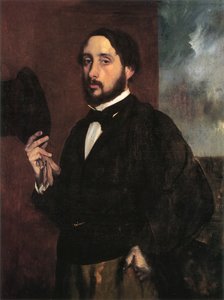
hilaire-germain-edgar degas
1834 - 1917 , Франція
Довідкова інформація
- Artistic Movement Or Style: імпресіонізм, реалізм
- Artists Or Movements Influenced By This Artist:
- Пікассо
- Матісс
- Artists Who Influenced This Artist:
- Інгрес
- Курубе
- Піссарро
- Date Of Birth: 1834
- Date Of Death: 1917
- Full Name: Hilaire-Germain-Edgar De Gas
- Nationality: Француз
- Notable Artworks:
- Танцістки за лавками
- Медсестра
- Дігас та Еварісте де Валаренс
- Place Of Birth: Париж, Франція
Схожі статті

The Subtleties of Pastel: A Comprehensive Exploration of Technique, History & Emotional Resonance
Explore the captivating world of pastel art! Discover its rich history, Impressionistic masters like Degas, emotional power & unique techniques. Find museum-quality reproductions at OriginalUniqueArt.

Edgar Degas: Capturing Modern Life – A Study of Movement, Observation, and the Parisian Belle Époque
Explore the captivating world of Edgar Degas! Discover his innovative techniques, iconic ballet paintings, and unique portrayal of Parisian life in this insightful art history study.

Soft Light & Velvet Touch: The Ethereal Magic of Pastel Artistry in Impressionist Masterpieces
Discover the ethereal beauty of pastel art through an Impressionist lens. Explore how masters like Monet and Renoir captured light and velvet textures, and learn to curate a collection of luminous, museum-quality masterpieces for your home.
The Soft Magic of Chalk: Capturing Light, Texture, and the Ethereal Soul of Impressionist Masterpieces
Discover the ethereal beauty of pastel and chalk art. Explore how Impressionist masters like Van Gogh and Degas captured light and texture to create timeless, soulful masterpieces for the discerning collector.

The Magic of Pastel Art: A Guide to Soft Colors and Velvately Textures in Impressionist Masterpieces
Explore the ethereal beauty of pastel art. Discover how Impressionist masters used soft hues and velvety textures to capture light. A professional guide for art enthusiasts seeking to understand, collect, and appreciate the delicate magic of this timeless medium.