Переглянути в інтер'єрі
 Надіслати як листівку
 Поділитися
 Деталі витвору
 Посібник

 Завантажити
 Схожі екземпляри
 Рентгенівське дослідження
 Слайд-шоу
 Q&A
Q&A Статистика
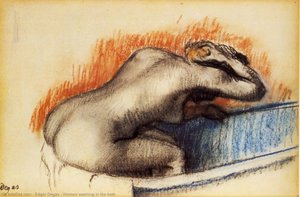
В ванній

- 32.0 x 50.0 cm


 Розгорнути текст
Гікле / Художній принт
Друк جيкле або на полотні музейної якості з оперативним виготовленням та різноманітними варіантами фінішної обробки. ( Замовити картину ручної роботи Перейти до цифрових зображень)




P118B ₴10

P118H ₴10

P118W ₴10

P438Z ₴10

P508JH ₴12

P508YH ₴12

P805H ₴10

P805Z ₴10

P919BZ ₴10

P919G ₴10

P919XJ ₴10

P959ZH ₴10

P968JZ ₴12

W106C ₴8

W218G ₴10

W218JH ₴8

W218Y ₴10

W307PJ ₴10

W316G ₴10

W316PJ ₴8

W316Y ₴10

W398PJ ₴8

W4111J ₴10

W500HY ₴15

W500JH ₴15

W692G ₴12

W849H ₴8

W940BG ₴15

W953PJ ₴8




Обирайте з наших стандартних розмірів, що відповідають оригінальним пропорціям твору мистецтва.

Введіть необхідну ширину та висоту, щоб принт ідеально підійшов до вашої рами або стіни. Принт можна лише обрізати, але не можна зробити більшим за оригінал, тому при зміні пропорцій частина зображення буде втрачена. Перед друком ми надсилаємо вам цифровий макет для затвердження. Зображення на цій сторінці не відображає реальну обрізку — її можна побачити лише на макеті.
Доставка по всьому світу () за 2 тижні замість стандартних 4/5 тижнів. (2 Листопад)

Безкоштовна експрес-доставка по всьому світу

Високоякісне лляне полотно

Повне страхове покриття доставки

Гарантія повернення митних зборів

Гарантія точного відтворення кольорів

Політика повернення протягом 100 днів (лише у разі виявлення дефектів)

Гарантія повернення 100% коштів

Пропозиція на оптові замовлення
 Скляний варіант доступний лише для розмірів до 110 см

В ванній
Гікле / Художній принт
Розмір репродукції
-


Підсумкова вартість
₴ 3596
Теперішнє Мистецтво: «У ванній» Едгара Деґа
Едгар Деґас, французький художник кінця XIX століття, є постаттю унікальною в історії мистецтва. Хоча він часто асоціюється з імпресіонізмом – художниками, що революціонізували живопис тодішнього часу разом із Монетом та Реньором – сам Деґас відмовлявся від цієї класифікації, визначаючи свій стиль як реалізм. Ця прихильність до об’єктивного спостереження за навколишнім світом і безкомпромісний портрет реальності були ключовими елементами його творчого мислення.
- Життя та Біографія: Деґас народився у Парижі в 1834 році в родині банкувальника та креольської дворянки з Нового Орлеана. Його раннє дитинство було забезпечено комфортним матеріальним становищем, що дозволило йому отримати доступ до освіти та художньої підготовки. Він навчався у Ліцеї Луї XVI але його справжнє навчання почалося тоді, коли він почав копіювати роботи в Луврі, відточуючи свої навички та запалюючи любов до класичної скульптури.
- Стиль та Техніка: Деґас був майстром техніки пастелі та акварелі, що дозволило йому досягти особливої детальності та передавати світло та тінь з неймовірною точністю. Його роботи часто характеризуються динамікою руху та передачею миттєвих емоцій.
- Історичний Контекст: Деґас працював у період розквіту імпресіонізму, коли художники прагнули зафіксувати мить часу та передати враження від реальності. Його творчість була тісно пов’язана з соціальними змінами того часу, зокрема з розвитком міського життя та культури.
«У ванній» (1884 рік) є одним із найвидатніших творів Деґа, що демонструє його майстерність у передачі внутрішнього світу людини та реалістичне зображення повсякденного життя. Художник використовував техніку пастелі для створення яскравої та емоційно насиченої композиції, яка захоплює увагу глядача.
Символізм: Композиція полотна передає момент спокою та інтимності, але водночас підкреслює соціальну реальність того часу. Важливою деталями є зображення двох жінок у ванній кімнаті – це символізує жіночу силу та незалежність, а також роздуми про природу краси та гармонії.Емоційний вплив: «У ванній» викликає відчуття співпереживання та задумливості. Художник майстерно передає атмосферу домашнього затишку та спокою, що робить цю роботу особливо цінною для тих, хто шукає естетичної гармонії та духовного просвітлення.
- Галерея Лувра: Зображення ванної кімнати є типовим для імпресіонізму та відображає прагнення художників до реалістичного зображення повсякденних сцен.
- Інтер'єр Дому: Деґас майстерно передає деталі інтер'єру будинку, що створює відчуття присутності та автентичності.
Репродукція «У ванній» Едгара Деґа стане чудовим доповненням будь-якого інтер'єру та подарує глядачам можливість насолодитися красою класичної живопису.
Питання та відповіді
Чи можу я побачити рентгенівський знімок «В ванній» роботи Hilaire-Germain-Edgar Degas?
«В ванній» можна досліджувати шар за шаром на сторінці Рентгенівське дослідження твору — це інтерактивний візуалізатор, натхненний освітлювальним столом реставратора, що пропонує одинадцять оптичних пластів зображення.
Де рекомендується розміщувати роботу у форматі Альбомна орієнтація під назвою "В ванній"?
Завдяки своїй формі Альбомна орієнтація, репродукція «В ванній» чудово підійде для Вітальня.
Наскільки популярним є твір «В ванній» у межах Impressionistic Realism?
«В ванній» роботи Hilaire-Germain-Edgar Degas має рівень популярності Культові і належить до течії Impressionistic Realism.
Біографія митця
A Life Immersed in Movement
Edgar Degas, born Hilaire-Germain-Edgar De Gas in Paris on July 19, 1834, remains one of the most intriguing and complex figures in art history. Often grouped with the Impressionists – alongside Monet, Renoir, and others who revolutionized painting in the late 19th century – Degas fiercely resisted this label, identifying instead as a realist. This commitment stemmed from his unwavering dedication to observing the world around him with meticulous detail and portraying it with an honesty that challenged conventional artistic norms. His early life was comfortably bourgeois; his father, Auguste, was a banker, and his mother, Celestine, hailed from a Creole family in New Orleans – a heritage that subtly informed his unique perspective. This background afforded him access to education and artistic training, though he often felt constrained by the rigid structures of academic art. Initially enrolled at the Lycée Louis-le-Grand, Degas’s true education began when he started spending hours copying works within the hallowed halls of the Louvre, honing his skills and igniting a lifelong passion for classical art. However, Degas's path wasn’t one of simple adherence to tradition; it was marked by constant questioning and a relentless reevaluation of artistic conventions. He possessed an independent spirit – a rebellious streak – that would define his entire career and ultimately shape the distinctive character of his work.Beyond Impressionism: A Unique Artistic Vision
While contemporaries like Monet chased the fleeting effects of light outdoors, capturing the ephemeral beauty of landscapes, Degas largely worked within the confines of his studio. He meticulously constructed scenes from observation and memory, creating a world that felt both familiar and subtly altered. His subject matter was decidedly modern – a deliberate departure from the historical or mythological themes favored by many academic painters. Instead, he found inspiration in the everyday lives of Parisians: laundresses hauling their heavy loads, cabaret singers captivating audiences with their performances, milliners crafting elaborate hats, and, most famously, dancers—particularly those performing at the Paris Opera Ballet. It is this fascination with ballet that profoundly shaped much of his oeuvre. Degas didn’t simply paint beautiful ballerinas; he captured the grueling reality of their profession – the endless rehearsals, the physical strain, the fleeting moments of grace amidst a world of relentless hard work and demanding expectations. His compositions are often unconventional, cropping figures in unexpected ways—sometimes isolating them within tightly framed spaces, or presenting them at unusual angles—and utilizing asymmetrical arrangements that create a sense of dynamism and immediacy. He was a master of capturing movement, not through blurred lines or hazy effects, but through precise observation, careful rendering of form, and an understanding of the underlying structure of the human body in motion. Works like *Dancer, A Group of Dancers*, *Women Combing Their Hair*, and *The Dance Class* are prime examples of this dedication to portraying the human figure in motion and revealing the complexities of modern life. He wasn’t interested in superficial beauty; he sought to expose the truth beneath the surface – the sweat, the strain, the vulnerability—of his subjects.Influences and Artistic Development
Degas's artistic journey was a rich tapestry woven from diverse influences. His early training emphasized classical principles, particularly the work of Jean-Auguste-Dominique Ingres, whose emphasis on draftsmanship, precise line, and idealized forms left an indelible mark on his style. However, Degas also admired the Realists – artists like Gustave Courbet who challenged academic conventions and championed the depiction of contemporary life with unflinching honesty. A pivotal moment in his development came through his association with Camille Pissarro, a leading Impressionist who encouraged him to experiment with new techniques and broadened his artistic horizons. He was deeply captivated by Japanese prints—Ukiyo-e – which exerted a powerful influence on his compositions, particularly his use of asymmetrical arrangements, flattened perspectives, and bold patterns. The dynamic energy and unconventional cropping of these prints resonated profoundly with Degas’s own desire to break free from traditional artistic constraints. He also embraced photography as a tool for studying movement and capturing fleeting moments in time – often using photographs as reference material for his paintings. This willingness to incorporate diverse influences into his work—classical training, Realist principles, Japanese aesthetics, and photographic techniques—is what ultimately defines Degas’s unique style and contributes to the enduring power of his art.Major Achievements and Legacy
Edgar Degas died in Paris on September 27, 1917, leaving behind a remarkably extensive body of work that continues to captivate and inspire audiences worldwide. His innovative approach to composition, his masterful draftsmanship, and his unflinching portrayal of modern life have had a profound impact on the course of art history. He wasn’t simply a painter of dancers or racehorses; he was a keen observer of human nature, a master of form and movement, and a true innovator who redefined the possibilities of art. His influence can be seen in the work of future generations of artists – from Pablo Picasso to Henri Matisse – demonstrating his lasting legacy as one of the most significant figures of the late 19th and early 20th centuries. Museums across Europe—including the Musée d'Orsay and the Musée de l’Orangerie in Paris—house significant collections of his paintings, pastels, sculptures, and prints, ensuring that his artistic vision will continue to be appreciated for years to come. Degas’s work stands as a testament to the power of observation, experimentation, and a refusal to conform to established conventions.- Masterful Draftsmanship: His exceptional skill in drawing was unparalleled.
- Modern Subject Matter: He brought contemporary Parisian life into his art.
- Influence on Modern Art: His work paved the way for future generations of artists.
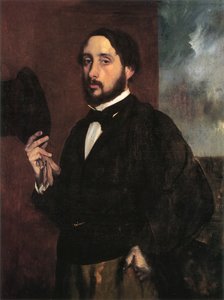
Hilaire-Germain-Edgar Degas
1834 - 1917 , Франція
Короткі факти
- Artistic Movement Or Style: імпресіонізм, реалізм
- Artists Or Movements Influenced By This Artist:
- Пікассо
- Матісс
- Artists Who Influenced This Artist:
- Інгрес
- Курубе
- Піссарро
- Date Of Birth: 1834
- Date Of Death: 1917
- Full Name: Hilaire-Germain-Edgar De Gas
- Nationality: Француз
- Notable Artworks:
- Танцістки за лавками
- Медсестра
- Дігас та Еварісте де Валаренс
- Place Of Birth: Париж, Франція
Пов'язані статті

The Soft Power of Pastel: A Connoisseur's Guide to History, Technique, and the Art of Texture
Explore the ethereal beauty of pastel art. From Renaissance origins to Impressionist mastery, discover the history, technique, and velvety textures that define this luminous medium in our expert guide for art connoisseurs.

Edgar Degas: Capturing Modern Life – A Study of Movement, Observation, and the Parisian Belle Époque
Explore the captivating world of Edgar Degas! Discover his innovative techniques, iconic ballet paintings, and unique portrayal of Parisian life in this insightful art history study.
The Subdued Radiance of Pastel Palettes: Exploring Emotional Resonance in Art History
Explore the emotional power of pastel palettes in art history! Discover Impressionism, Post-Impressionism & color psychology insights. Find museum-quality reproductions at OriginalUniqueArt.

The Subtleties of Pastel: A Comprehensive Exploration of Technique, History & Emotional Resonance
Explore the captivating world of pastel art! Discover its rich history, Impressionistic masters like Degas, emotional power & unique techniques. Find museum-quality reproductions at OriginalUniqueArt.

25 шедеврів Поля Сезанна: подорож у світ імпресіонізму та натюрморту | OriginalUniqueArt
Відкрийте 25 найвідоміших картин Поля Сезанна! Дослідіть імпресіонізм, натюрморти та пейзажі художника. Купіть високоякісні репродукції та знайдіть ідеальний декор для вашого дому на OriginalUniqueArt.com.