Переглянути в інтер'єрі
 Надіслати
 Поділитися
 Деталі
 Посібник

 Завантажити
 Схожі предмети колекціонування
 Рентгенівське дослідження
 Слайд-шоу
 Статистика переглядів
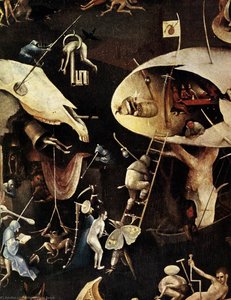
Христос несучий Хрест


 Читати далі
Гікле / Художній принт
Музейна якість друку جيкле або на полотні з оперативним виготовленням та різноманітними варіантами фінішної обробки. ( Купити картину ручної роботи Перейти до цифрових зображень)




P118B $10

P118H $10

P118W $10

P438Z $10

P508JH $12

P508YH $12

P805H $10

P805Z $10

P919BZ $10

P919G $10

P919XJ $10

P959ZH $10

P968JZ $12

W106C $8

W218G $10

W218JH $8

W218Y $10

W307PJ $10

W316G $10

W316PJ $8

W316Y $10

W398PJ $8

W4111J $10

W500HY $15

W500JH $15

W692G $12

W849H $8

W940BG $15

W953PJ $8




Обирайте з наших стандартних розмірів, що відповідають оригінальним пропорціям твору мистецтва.

Ви можете вказати власні розміри, щоб репродукція ідеально підійшла до конкретної рами або інтер'єру. Якщо обраний вами розмір не відповідає пропорціям оригіналу, ми або обріжемо полотно, або розширимо зображення за допомогою дзеркального відображення чи суцільної заливки країв. Перед початком виробництва вам буде надіслано цифровий макет для затвердження.
Будь ласка, зверніть увагу, що попередній перегляд на екрані не відображає фактичне обрізання або розширення. Тільки макет точно покаже фінальну композицію.
Хоча можливість замовлення індивідуальних розмірів доступна, ми рекомендуємо обирати формат із попередньо визначеного списку, щоб зберегти оригінальні пропорції.
Доставка по всьому світу () за 2 тижні замість стандартних 4/5 тижнів. (25 Вересень)

Безкоштовна експрес-доставка по всьому світу

Високоякісне лляне полотно

Повне страхове покриття доставки

Гарантія повернення митних зборів

Гарантія точного відтворення кольорів

Політика повернення протягом 100 днів (лише у разі виявлення дефектів)

Гарантія повернення 100% коштів

Знижка на оптові замовлення
 Скляний варіант доступний лише для розмірів до 110 см

Христос несучий Хрест
Гікле / Художній принт
Розмір репродукції
-


Загальна вартість
$ 80
А Вікно у Віру та Страх: Дослідження Йероніма Босха «Христос Носить Хрест»
Картина “Христос Носить Хрест” Йероніма Босха залишається приголомшливим шедевром, захоплюючи глядачів століттями після створення завдяки поєднанню ретельної деталізації та глибокого психологічного проникнення. Більше ніж просто зображення розп’яття Христа – фундаменту християнської віри – це візуальне дослідження вразливості людини перед Божим судом, виконане у стилі, що передугає сюрреалізм і закріплює місце Босха серед найвидатніших голосів раннього нідерландського Ренесансу.Композиція та Техніка: Симфонія Деталей
Майстерна техніка Босха стає очевидною одразу ж при спостереженні. Його полотно виконане з дуба методом масляної живопису – явищем відносно новим для свого часу – демонструє приголомшливий рівень реалізму у поєднанні з фантастичними елементами. Художник використовує чіароскуро, майстерно маніпулюючи світлом і тінями, щоб скульптувати фігури та створювати драматичну атмосферу. Зверніть увагу, як Босх ретельно передає текстури – від грубої кори дерева, що підтримує хрест Христа, до піткання на чолі Ісуса – передаючи відчутну фізичність. Крім того, перспектива картини ледь помітно спотворена, залучаючи глядача у сцену та посилюючи її емоційний вплив. Використання кольору Босхом обмежується, але воно має мету – переважно земляні тони підкреслені спалахами яскраво-червоного та блакитного світла, що підсилюють відчуття терміновості й скорботи.Історичний Контекст: Мораль Ренесансу та Релігійний Тривога
Картина була створена близько 1490-1500 року в ’с-Гертогенбосі під час епохи глибокої релігійної фанатичної енергії – перед Реформацією Мартина Лютера – і відбиває тривоги, що панували у європейському суспільстві того часу. Католицька церква мала величезний вплив, формуючи мистецьку експресію та моральні почуття. Візія Босха не була просто зосереджена на зображенні біблійних подій; він прагнув передати глибше богословське послання про гріх, спасіння та наслідки земних бажань. Зображення людей навколо Христа – суміш шанованих глядачів і моторошних фігур – представляє неоднозначну реакцію людства на Боже милосердя. Це говорить про всесвітню тривогу перед смертю та судом, що відбивається в інших мистецьких творах епохи того часу.Символізм: Шари Значення За Межами Поверхнесті
«Христос Носить Хрест» рясніє символічною образністю, призначеною пробудити роздуми. Сам хрест символізує пожертву та прощення – центральною доктриною християнства, але Босх підносить його вище за просто символічну іконографію. Зверніть увагу на фігури навколо Ісуса: Вони відображають різні аспекти людської природи – шанування, відчай, жорстокість, дурість – кожен з яких сприяє складному полоттю моральної критики. Дерево, що підтримує хрест Христа, символізує життя та смерть у тісному зв’язку, відбиваючи біблійну історію створення та провіщаючи воскресіння Ісуса. Навіть вирази облич людей навколо Христа передають глибоку психологічну глибину, натякаючи на внутрішню боротьбу та зустріч з власною смертністю. Використання Босхом моторошних образів – особливо демонічних фігур – є нагадуванням про те, що зло ховається під маскою шанування та праведливості.Наслідок Сьогодні: Тривале Вплив Мистецтва Історії
Сьогодні «Христос Носить Хрест» продовжує захоплювати мистецтвознавців і колекціонерів у всьому світі. Його приголомшлива краса – свідчення бездоганної художньої візії Босха – надихнула безліч митців протягом історії, включно з сюрреалістами такими як Сальвадор Далі та Рене Маґрітт. Картина знаходиться у Графічній колекції Альбертіни в Австрії – одному з найзначніших видавництв друкованої графіки у світі – забезпечуючи доступність зображення для глобальної аудиторії. Відтворення дарують можливість особисто відчути геній Босха, приносячи цю дивовижну картину додому та підтримуючи безперервне діалог про те, як мистецтво може освітлювати стан людський.Біографія митця
A Netherlandish Enigma: The Life and Art of Hieronymus Bosch
Born around 1450 in the vibrant, bustling town of ’s-Hertogenbosch in the Netherlands—then part of Brabant—Hieronymus Bosch, originally Jheronimus van Aken, remains one of art history’s most compelling and mysterious figures. His world was steeped in late medieval religious fervor, folklore, and a growing sense of societal unease, all of which would profoundly shape his uniquely unsettling artistic vision. Coming from a family with a long tradition of painting—his grandfather, Jan van Aken, and father, Anthonius van Aken, were both artists—Bosch likely received his earliest training within the family workshop, absorbing the techniques and conventions of Netherlandish painting. However, even in his formative years, he began to diverge from established norms, hinting at the extraordinary imagination that would define his career. Biographical details are frustratingly scarce; records are fragmented, leaving much open to speculation and interpretation, adding to the aura of mystique surrounding both the man and his work. He married Aleyt Goyaerts van den Meerveen sometime before 1481, a union that provided him with some financial security through her family’s holdings, but little else is known about their personal life.Fantastical Visions and Symbolic Depths
Bosch's artistic style is instantly recognizable—a captivating blend of meticulous detail and wildly imaginative imagery. He primarily worked with oil on oak panels, demonstrating a masterful command of the medium, achieving luminous colors and intricate textures. While his early works show influences from traditional Netherlandish painting, particularly in their realism and attention to detail, he quickly moved beyond mere imitation, developing a profoundly original vision. His paintings are not simply representations of reality; they are allegorical landscapes populated by bizarre creatures, hybrid beings, and unsettling scenes that seem plucked from dreams—or nightmares. Religious themes form the core of much of his work, but these are rarely straightforward depictions of biblical stories. Instead, Bosch uses symbolism to explore complex moral and theological concepts, often focusing on the dangers of sin, the fragility of earthly pleasures, and the inevitability of divine judgment. His creatures—grotesque demons, fantastical animals, and strangely human figures—are not merely decorative elements; they are embodiments of vice, temptation, and spiritual corruption. The blending of the sacred and the profane, the beautiful and the grotesque, creates a uniquely unsettling effect that continues to captivate viewers centuries later.Masterpieces of Moral Allegory
Among Bosch’s most celebrated achievements is The Garden of Earthly Delights (c. 1490-1510), a triptych that remains one of the most enigmatic and debated works in art history. When opened, it presents a panoramic vision of paradise, earthly life, and hell—a complex allegorical representation of humanity’s fall from grace. The left panel depicts the Garden of Eden, teeming with fantastical creatures and lush vegetation; the central panel portrays a world consumed by sensual pleasure and unrestrained desire; and the right panel offers a terrifying glimpse into the torments of hell. The Triptych of the Last Judgement (c. 1480-1490) is another powerful example of his skill in portraying both heavenly bliss and infernal torment, while The Ascent of the Blessed (c. 1480-1490) demonstrates his ability to create ethereal and dreamlike scenes. Even smaller works like Epiphany (c. 1495) showcase his innovative use of oil on wood and complex symbolism, revealing a mind constantly grappling with profound questions about faith, morality, and the human condition.Influences and Artistic Techniques
Identifying Bosch’s direct influences is a challenging task, given the originality of his vision. Scholars suggest possible connections to medieval folklore, religious texts—particularly those emphasizing apocalyptic themes—and the prevailing anxieties of the time, including fears of heresy and social upheaval. However, it's clear that he synthesized these elements into something entirely new and uniquely his own. His use of oil paint allowed for incredible detail and luminosity, while his meticulous rendering of textures and patterns created a sense of both realism and unreality. Bosch’s compositions are often complex and layered, with multiple levels of meaning and symbolism. He frequently employed perspective techniques to create the illusion of depth and space, drawing viewers into his fantastical worlds. The recurring motifs in his work—such as animals, fruits, and musical instruments—carry symbolic weight, adding layers of interpretation to his narratives.Legacy and Enduring Influence
Bosch’s art continues to fascinate and provoke debate centuries after its creation. He is considered a pioneer of surrealism, anticipating many of the themes and techniques that would later be explored by artists such as Salvador Dalí and Max Ernst. His unsettling visions have resonated with audiences for generations, prompting questions about morality, faith, and the nature of human existence. The Prado Museum in Madrid houses some of his most famous works, attracting visitors from around the world who come to marvel at his extraordinary imagination and technical skill. Hieronymus Bosch remains a towering figure in art history—a master of symbolism, a visionary artist, and an enduring enigma whose work continues to challenge and inspire us today. His paintings offer valuable insights into the religious, social, and psychological climate of the late 15th and early 16th centuries, challenging conventional norms and paving the way for new forms of artistic expression.
Ієронім Босх
1450 - 1516 , Нідерланди
Довідкова інформація
- Artistic Movement Or Style: Сюрреалізм, Символізм
- Artists Or Movements Influenced By This Artist:
- Пітер Брюггель Старший
- Сюрреалізм
- Date Of Birth: c. 1450
- Date Of Death: 1516
- Full Name: Hieronymus Bosch
- Nationality: Нідерландський
- Notable Artworks:
- Сад земних задоволень
- Останній Суд
- Сім гріхів
- Place Of Birth: Делфт, Нідерланди
Схожі статті
Late Medieval Masterpieces: 10 Artworks That Defined an Era | OriginalUniqueArt
Journey through 10 defining Late Medieval masterpieces – from Giotto's frescoes to Jan van Eyck’s realism. Explore the stories, techniques & vibrant colors of Gothic art. Find museum-quality reproductions and elevate your home decor with OriginalUniqueArt.com! Discover all masterpieces on OriginalUniqueArt.com
Hieronymus Bosch: Decoding the Visions of a Netherlandish Master
Explore the captivating world of Hieronymus Bosch! Delve into the symbolism, religious context, and artistic innovation of this Netherlandish master with OriginalUniqueArt's expert analysis. Discover his iconic paintings & lasting influence.

Golden Light & Dutch Skies: The Timeless Magic of Dutch Golden Age Landscapes
Discover the breathtaking beauty of Dutch Golden Age landscapes. Explore the mastery of light, chiaroscuro, and 17th-century realism through an expert art history lens, celebrating the enduring legacy of the Dutch Masters for discerning collectors and art lovers.

High Medieval Art: 10 Masterpieces That Shaped an Era | OriginalUniqueArt
Journey through High Medieval Art! Explore 10 iconic masterpieces – from Giotto's frescoes to stunning Gothic cathedrals. Discover the stories behind these timeless paintings, sculptures & illuminated manuscripts. Find museum-quality art reproductions at OriginalUniqueArt.com.
Топ-25 шедеврів Єроніма Босха: мистецтво, символізм та декор для вашого дому
Відкрийте для себе 25 шедеврів Єроніма Босха! Дослідіть символізм, містику та унікальний стиль нідерландського живопису. Купуйте високоякісні репродукції картин онлайн на OriginalUniqueArt.com – декор стін з історією.