Переглянути в інтер'єрі
 Надіслати
 Поділитися
 Деталі
 Посібник

 Завантажити
 Схожі предмети колекціонування
 Рентгенівське дослідження
 Слайд-шоу
 Статистика переглядів
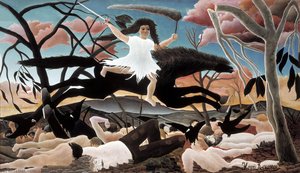
Вечір Канікул
 Олія на полотні
- Настінне мистецтво
- Naive Surrealism
 1885
1885- — XIX століття
 117.0 x 90.0 cm
 Филладельфийський музей искусств
 Читати далі
Гікле / Художній принт
Музейна якість друку جيкле або на полотні з оперативним виготовленням та різноманітними варіантами фінішної обробки. ( Купити картину ручної роботи Перейти до цифрових зображень)




P118B $10

P118H $10

P118W $10

P438Z $10

P508JH $12

P508YH $12

P805H $10

P805Z $10

P919BZ $10

P919G $10

P919XJ $10

P959ZH $10

P968JZ $12

W106C $8

W218G $10

W218JH $8

W218Y $10

W307PJ $10

W316G $10

W316PJ $8

W316Y $10

W398PJ $8

W4111J $10

W500HY $15

W500JH $15

W692G $12

W849H $8

W940BG $15

W953PJ $8




Обирайте з наших стандартних розмірів, що відповідають оригінальним пропорціям твору мистецтва.

Ви можете вказати власні розміри, щоб репродукція ідеально підійшла до конкретної рами або інтер'єру. Якщо обраний вами розмір не відповідає пропорціям оригіналу, ми або обріжемо полотно, або розширимо зображення за допомогою дзеркального відображення чи суцільної заливки країв. Перед початком виробництва вам буде надіслано цифровий макет для затвердження.
Будь ласка, зверніть увагу, що попередній перегляд на екрані не відображає фактичне обрізання або розширення. Тільки макет точно покаже фінальну композицію.
Хоча можливість замовлення індивідуальних розмірів доступна, ми рекомендуємо обирати формат із попередньо визначеного списку, щоб зберегти оригінальні пропорції.
Доставка по всьому світу () за 2 тижні замість стандартних 4/5 тижнів. (21 Вересень)

Безкоштовна експрес-доставка по всьому світу

Високоякісне лляне полотно

Повне страхове покриття доставки

Гарантія повернення митних зборів

Гарантія точного відтворення кольорів

Політика повернення протягом 100 днів (лише у разі виявлення дефектів)

Гарантія повернення 100% коштів

Знижка на оптові замовлення
 Скляний варіант доступний лише для розмірів до 110 см

Вечір Канікул
Гікле / Художній принт
Розмір репродукції
-


Загальна вартість
$ 80
Henri Rousseau’s “A Carnival Evening”: A Dreamscape of Mystery
“A Carnival Evening” by Henri Rousseau isn't merely a painting; it’s an invitation into a world where reality and dream intertwine, a testament to the artist’s unique vision and his masterful command of Naïve art. Created in 1885, this captivating scene, currently residing within the Philadelphia Museum of Art, immediately draws the viewer in with its enigmatic atmosphere – a palpable sense of both wonder and subtle unease. Rousseau, rejecting the rigid conventions of the Académie des Beaux-Arts, forged his own path, developing a distinctive style characterized by meticulous detail, flattened perspective, and an almost childlike simplicity. This deliberate choice wasn’t a sign of artistic deficiency, but rather a conscious decision to represent the world as he *saw* it, unfiltered and imbued with personal symbolism.
The painting depicts a couple strolling along a path that winds through a dense, almost impenetrable forest. Yet, this seemingly straightforward depiction quickly reveals itself to be layered with profound meaning. The dominant element – a brightly illuminated hot air balloon, populated by shadowy figures – serves as a potent symbol of aspiration and escape, perhaps even detachment from earthly constraints. Conversely, the dark and imposing forest represents the unknown, the subconscious realm where desires and anxieties reside. The moon, a timeless emblem of mystery, intuition, and the feminine principle, casts its gentle glow upon the scene, amplifying the painting’s overall sense of intrigue and inviting contemplation on themes of desire, escape, and the complexities of human experience.
Decoding the Language of Naïve Art
Rousseau's approach is quintessential Naïve art – a style often associated with artists who lack formal training but possess an extraordinary ability to capture emotion and atmosphere. His meticulous rendering of foliage, fabrics, and even the subtle textures of skin demonstrates a remarkable level of technical skill, yet this precision exists in stark contrast to the painting’s surreal elements. This juxtaposition creates a captivating tension, mirroring the inherent duality within the scene itself. The flattened perspective, characteristic of Naïve art, contributes to the dreamlike quality, blurring the boundaries between observation and imagination.
The artist's use of color is equally significant. A predominantly dark palette – deep blues, browns, and blacks – establishes a mood of mystery and introspection. However, strategically placed highlights, particularly emanating from the moon and the clothing of the figures, draw attention to key elements and create a sense of luminosity within the darkness. The composition itself—the vertical lines of the trees and buildings contrasted with the horizontal expanse of the sky—further enhances this visual dynamism.
A Historical Context: Rousseau’s Exotic Visions
Henri Rousseau's artistic journey was deeply influenced by his travels to Africa, particularly Algeria, where he spent several years immersing himself in the local culture. This experience profoundly shaped his style, leading him to depict exotic landscapes and figures with a captivating blend of realism and fantasy. “A Carnival Evening” can be seen as a culmination of these influences, reflecting Rousseau’s fascination with the unknown and his ability to translate his experiences into evocative visual narratives. His work stands apart from the prevailing trends of Impressionism and Post-Impressionism, offering a unique perspective rooted in personal observation and emotional intensity.
Symbolism and Emotional Resonance
Beyond its technical brilliance and historical context, “A Carnival Evening” resonates deeply with viewers on an emotional level. The couple’s downcast gazes suggest a sense of melancholy or introspection, while the shadowy figures within the hot air balloon hint at hidden desires and unresolved anxieties. The painting's overall atmosphere evokes feelings of mystery, isolation, and perhaps even a touch of foreboding – prompting us to contemplate the nature of reality, the allure of escape, and the complexities of human relationships. It’s a work that invites repeated viewing, revealing new layers of meaning with each encounter.
Біографія митця
Henri Emile Rousseau (1875 – 1933): The Enchanted Vision of Primitive Beauty
Henri Emile Rousseau, born in Lyon, France, in 1875, defied the conventions of Impressionism and Post-Impressionism to forge a singular artistic path—one characterized by an uncompromising embrace of Naïve Art. His canvases depict fantastical landscapes populated by animals and humans rendered with childlike simplicity and vibrant color palettes, transporting viewers into dreamlike realms brimming with symbolic resonance. Rousseau’s upbringing in a working-class family instilled in him a deep appreciation for the natural world and folklore, influences that would profoundly shape his artistic vision. Despite facing considerable skepticism from critics of his time—who dismissed his style as amateurish—Rousseau persevered, establishing himself as one of France's most distinctive painters and securing a place among the pioneers of Modern Art.- Early Life & Artistic Beginnings: Rousseau’s formal artistic training was minimal; he largely self-taught, honing his skills through sketching outdoors and studying prints. He initially pursued commercial illustration work to support himself, but his passion for painting remained unwavering.
- The Influence of Primitive Art: Rousseau's fascination with African masks and tribal art—particularly those collected by Alexandre Cabanel—served as a catalyst for his stylistic evolution. These artworks captivated him with their bold colors, stylized forms, and rejection of academic realism, inspiring him to abandon traditional techniques in favor of a more direct and expressive approach.
- Key Paintings & Artistic Style: Rousseau’s oeuvre is dominated by monumental landscapes infused with mythological elements and populated by animals imbued with spiritual significance. Notable works include “The Sleeping Venus” (1890), “The Promised Land” (1893), “The Concert” (1897), and “The Shepherdess,” which exemplifies his signature style—characterized by flattened perspectives, luminous colors, and a deliberate blurring of outlines.
- Recognition & Legacy: Despite initial rejection by the Parisian avant-garde, Rousseau gained recognition in 1905 thanks to the patronage of Ambroise Vollard, who championed his work and secured exhibitions at Galerie Bernheim-Jeune. His paintings gradually attracted admirers among artists like Picasso and Matisse, cementing his reputation as a visionary artist whose uncompromising vision anticipated Surrealism.
- Death & Enduring Influence: Rousseau died in Étampes in 1933, leaving behind a legacy of approximately 800 paintings—a remarkable achievement considering his unconventional methods. His distinctive Naïve Art style continues to inspire artists today, demonstrating the enduring power of imagination and the beauty found in unfiltered observation.
Exploring Rousseau’s Palette & Technique
Rousseau's artistic technique was remarkably simple yet profoundly effective. He eschewed meticulous detail, opting instead for bold brushstrokes and vibrant hues—often achieved through layering thin glazes of color onto a toned ground. This method allowed him to capture the essence of his subjects with remarkable immediacy and luminosity, conveying emotion and atmosphere as much as visual representation. His use of complementary colors—such as reds and greens—created striking contrasts that heightened the dramatic impact of his compositions. Furthermore, Rousseau’s deliberate flattening of perspective—a technique borrowed from African art—reinforced the dreamlike quality of his landscapes and contributed to their captivating allure.
henri emilien rousseau
1875 - 1933
Довідкова інформація
- Artistic Movement Or Style: Naive Art
- Artists Or Movements Influenced By This Artist: ['Symbolism']
- Artists Who Influenced This Artist:
- Gustave Moreau
- Pierre Puvis de Chavannes
- Date Of Birth: 1875
- Full Name: Henri Émile Rousseau
- Nationality: French
- Notable Artworks:
- A Carnival Evening
- War or The Ride of Discord
- Fantasia de mariage
- Place Of Birth: Nancy, France
Схожі статті

The Untamed Vision: Exploring Naïve Art & Primitivism's Rejection of Convention
Explore the revolutionary world of Naïve Art & Primitivism! Discover how artists challenged academic traditions with raw emotion & unique styles. Learn about Picasso, Rousseau & more at OriginalUniqueArt.
Топ-25 шедеврів Анрі Матісса: Кольори та форми, що змінили мистецтво | OriginalUniqueArt
Відкрийте для себе 25 найвідоміших шедеврів Анрі Матісса! Дізнайтесь історію фавізму, колірних рішень та унікального стилю художника. Репродукції картин Матісса для вашого дому – на OriginalUniqueArt.com. Дослідіть колекцію онлайн!
Топ-10 шедеврів Фавізму: Яскраві полотна, що змінили мистецтво | OriginalUniqueArt
Відкрийте для себе 10 шедеврів Фавізму від Матісса, Дерена та інших! Дізнайтесь історію яскравих полотен, що змінили мистецтво. Купуйте репродукції картин преміум-якості на OriginalUniqueArt.com.

Naive Art Unveiled: The Charming Beauty of Simple Masterpieces
Discover the enchanting world of Naive Art. Explore the profound beauty of self-taught masters like Henri Rousseau through an art-history lens, uncovering how simple forms and vibrant colors create timeless, soulful masterpieces for the discerning collector.
Henri Rousseau: Primitivism, Paradox & Subversion of Academic Tradition
Explore the captivating world of Henri Rousseau, the celebrated Naïve artist who challenged academic traditions with his unique jungle scenes & dreamlike symbolism. Discover his lasting influence on modern art and collecting today.