
 Надіслати як листівку
 Поділитися
 Деталі витвору
 Посібник

 Завантажити
 Схожі екземпляри
 Слайд-шоу
 Питання та відповіді
 Статистика
Святая Троица

- 28.0 x 16.0 cm


 Розгорнути текст
Гікле / Художній принт
Друк جيкле або на полотні музейної якості з оперативним виготовленням та різноманітними варіантами фінішної обробки. ( Замовити картину ручної роботи Перейти до цифрових зображень)




































Обирайте з наших стандартних розмірів, що відповідають оригінальним пропорціям твору мистецтва.

Введіть необхідну ширину та висоту, щоб принт ідеально підійшов до вашої рами або стіни. Принт можна лише обрізати, але не можна зробити більшим за оригінал, тому при зміні пропорцій частина зображення буде втрачена. Перед друком ми надсилаємо вам цифровий макет для затвердження. Зображення на цій сторінці не відображає реальну обрізку — її можна побачити лише на макеті.
Доставка по всьому світу () за 2 тижні замість стандартних 4/5 тижнів. (4 Листопад)

Безкоштовна експрес-доставка по всьому світу

Високоякісне лляне полотно

Повне страхове покриття доставки

Гарантія повернення митних зборів

Гарантія точного відтворення кольорів

Політика повернення протягом 100 днів (лише у разі виявлення дефектів)

Гарантія повернення 100% коштів

Пропозиція на оптові замовлення
 Скляний варіант доступний лише для розмірів до 110 см

Святая Троица
Гікле / Художній принт
Розмір репродукції
-


Підсумкова вартість
₴ 3644
Хол Троицы художника Ганса Мульшчера
Хол Троицы является одним из самых известных произведений немецкого скульптора Ганса Мульшчера (ок. 1400 – 1467), который занимает особое место в истории искусства позднего Средневековья и раннего Возрождения Германии. Хотя точные детали его жизни остаются малоизвестными, ясно одно: Мульшчер обладал пытливым духом и острым взглядом на художественную инновацию. Он не просто усваивал господствующие тенденции; активно искал новые влияния, совершая путешествия, которые глубоко сформировали его уникальное эстетическое видение. Эти поездки привели его к художественным центрам северной Франции и Нидерландов, где он был знаком с развитием реализма и тщательной детализацией ранненидерландской живописи – стилем, который стал определяющей чертой собственного творчества. В 1427 году Мульшчер обосновался как свободный гражданин Ульмского города, процветающего торгового центра на Дунавском бассейне.- Материал: Албастрат – мягкий белый камень, который особенно хорошо подходит для скульптурной обработки благодаря своей тонкой зернистости и прозрачности. Этот материал был выбран Мульшчером как идеальный для передачи света и тени, создавая ощущение глубины и объемности.
- Стиль: Произведение относится к позднему готическому стилю и демонстрирует влияние классической скульптуры эпохи Возрождения. Художник использовал элементы античной эстетики и композиции, стремясь создать произведение искусства высокого уровня мастерства и гармонии.
- Техника: Мульшчер применял технику рельефа высокой детализации, тщательно прорабатывая каждую часть скульптуры с использованием различных инструментов и техник обработки камня. Особое внимание было уделено передаче анатомической точности человеческого тела и выражению эмоций персонажей.
Исторический контекст и символизм
Хол Троицы был создан в период перехода от позднего готического стиля к раннему Возрождению Германии, когда искусство переживало значительные изменения и инновации. Этот переход ознаменовался появлением новых художественных тенденций и методов работы, которые оказали влияние на творчество художников того времени. Мульшчер был одним из первых мастеров немецкого реализма и активно изучал опыт своих предшественников и современников. Он использовал символизм как средство передачи религиозных и философских идей, стремясь создать произведение искусства, которое отражает глубинные смыслы христианской веры и культуры. Символ Троицы представляет собой центральную идею произведения искусства и является выражением христианского понимания Бога как трех лиц: Отца, Сына и Святого Духа. Этот символ имеет глубокие корни в религиозной традиции и был использован художниками различных эпох для передачи духовных ценностей и идеалов.Эмоциональное воздействие и эстетические качества
Хол Троицы обладает мощным эмоциональным воздействием на зрителя благодаря своей выразительной композиции и мастерской передаче человеческих эмоций. Скульптура вызывает ощущение благоговения и созерцательности, приглашая к размышлению о вечных вопросах жизни и смерти. Мульшчер сумел создать произведение искусства, которое одновременно отражает красоту природы и глубину религиозной мысли. Свет играет важную роль в восприятии скульптуры благодаря использованию альбастрата – мягкого белого камня, который позволяет передавать тонкие оттенки света и тени. Этот материал был выбран художником как идеальный для создания эффекта объемности и глубины изображения. Мульшчер мастерски использовал светотень для передачи эмоционального состояния персонажей и подчеркивания символической нагрузки произведения искусства.Заключение
Хол Троицы является выдающимся памятником немецкого искусства позднего Средневековья и раннего Возрождения и представляет собой яркий пример эстетического идеала своего времени. Произведение Мульшчера продолжает вдохновлять художников и искусствоведов по всему миру своей красотой, гармонией и глубиной смыслов. Оно является свидетельством мастерства немецкого скульптора и его умения передавать духовные ценности через язык искусства.Питання та відповіді
Наскільки насиченою є палітра твору "Святая Троица"?
Палітра твору "Святая Троица" має Ніжний колір насиченості.
«Святая Троица» роботи Ганс Фредрік Гуде — це світлий чи темний твір мистецтва?
За рівнем сприйнятої яскравості, «Святая Троица» роботи Ганс Фредрік Гуде є збалансована.
Який рекомендований розмір та орієнтація для друку твору "Святая Троица"?
Для репродукції «Святая Троица» роботи Ганс Фредрік Гуде рекомендується розмір Великий з орієнтацією Високий.
Біографія митця
A Pioneer of German Realism: The Life and Art of Hans Multscher
Hans Multscher, a name often overshadowed by the towering figures of his contemporaries, nevertheless stands as a pivotal figure bridging the stylistic transition from late Gothic to early Renaissance in Germany. Born around 1400 in the small Bavarian town of Reichenhofen – now part of Leutkirch im Allgäu – Multscher’s life was one of constant movement and intellectual curiosity. He wasn't merely a craftsman; he was an explorer, driven by a desire to absorb the artistic innovations blossoming across Europe. His journey took him beyond the familiar landscapes of his homeland, exposing him to the burgeoning realism and meticulous detail characteristic of Early Netherlandish painting – a style that would profoundly shape his unique aesthetic vision. This fascination with Northern European art, particularly its emphasis on naturalism and emotional depth, became the cornerstone of his artistic development.- Early Influences: Multscher’s formative years were spent in Reichenhofen, a region steeped in Gothic tradition. However, even at a young age, he demonstrated an aptitude for observation and a desire to move beyond the stylized conventions of the era.
- Travels and Learning: Driven by his artistic ambition, Multscher embarked on extensive travels throughout Germany, France, and the Netherlands. These journeys were not merely vacations; they were deliberate quests for knowledge, allowing him to witness firsthand the groundbreaking techniques and innovative approaches being developed by leading artists of the time.
- Ulm: A Turning Point: In 1427, Multscher established himself as a free citizen of Ulm – a thriving commercial hub on the Danube River. This move marked a significant turning point in his career, providing him with access to new markets, patrons, and artistic opportunities.
The Workshop and Artistic Development
Multscher’s workshop was far more than just a production facility; it served as a vibrant incubator of artistic experimentation. Records indicate that he oversaw a substantial team – sometimes numbering as many as sixteen assistants – fostering an environment where traditional Gothic forms were gradually infused with the naturalism he had absorbed during his travels. This blending of influences is particularly evident in his sculptural work, which moved away from the elongated figures and stylized drapery typical of the late Gothic period towards more anatomically accurate representations and a greater sense of emotional depth. The faces of his saints are no longer idealized; they possess a palpable humanity, reflecting a deeper understanding of human psychology. His paintings, though fewer in number than his sculptures, demonstrate an equally compelling shift. The *Wurzacher Altar*, begun in 1437, stands as a testament to this evolving style. This ambitious project – originally intended for the church of St. James in Wurzach – showcases Multscher’s mastery of oil painting – a relatively new medium at the time – and his ability to render textures, light, and shadow with remarkable precision. The altar's panels depict scenes from the life of Christ and the Virgin Mary, each imbued with a sense of palpable humanity that set it apart from earlier devotional art. It’s important to note that Multscher wasn’t solely focused on religious subjects; his commissions also included secular works, such as the group of emperors adorning the eastern window of Ulm's city hall, demonstrating his versatility and appeal to a broad clientele. The workshop was not just about creating objects; it was about disseminating ideas, refining techniques, and shaping the artistic landscape of Swabia.Key Works and Lasting Legacy
Beyond the *Wurzacher Altar*, several other works cemented Multscher’s reputation as one of Germany’s most important artists. The sculpture of *Holy Mary Magdalen*, now housed in Frankfurt's Liebieghaus, is a particularly poignant example of his ability to convey profound emotion through sculpted form. Her sorrowful expression and the delicate rendering of her hair and clothing reveal a deep understanding of human psychology. Another notable work is the *Man of Sorrows* – copies of which can be found at Ulm Minster – a powerful depiction of Christ’s suffering that reflects the devotional fervor of the era. These pieces, along with his contributions to the Ulm city hall, demonstrate Multscher's skill in both sculpture and painting, as well as his ability to adapt his style to different contexts and patrons. Multscher’s influence extended far beyond his own lifetime; the workshop he established continued to thrive after his death in 1467, disseminating his artistic principles throughout Swabia and beyond. He wasn't simply a master craftsman; he was a teacher, an innovator, and a catalyst for change – a figure who helped usher in a new era of artistic realism in Germany.A Bridge Between Eras
Hans Multscher’s significance lies not only in the beauty and technical skill of his art but also in his role as a bridge between two distinct periods. He was among the first German artists to fully embrace the realism and naturalism that were transforming art in northern Europe, paving the way for subsequent generations of Renaissance masters. His work represents a crucial moment in the development of German art, marking a departure from the stylized conventions of the Gothic period towards a more humanistic and observational approach. While he didn’t entirely abandon traditional forms – elements of Gothic ornamentation can still be detected in his work – he skillfully integrated them with new techniques and aesthetic sensibilities, creating a unique artistic language that resonated deeply with his contemporaries and continues to captivate audiences today. He stands as a testament to the power of artistic exchange and the enduring legacy of those who dare to challenge convention.Exploring Multscher’s World Today
Fortunately, numerous examples of Hans Multscher's artistry survive, allowing us to appreciate his genius firsthand. The Gemäldegalerie Alte Meister in Dresden houses an impressive collection of European paintings from the 15th to 18th centuries, offering a broader context for understanding Multscher’s place within art history. For those interested in exploring high-quality reproductions of his work, platforms like OriginalUniqueArt and OriginalUniqueArt offer meticulously hand-painted copies that capture the nuances of his original masterpieces. Furthermore, resources such as Wikipedia and the Web Gallery of Art provide valuable biographical information and detailed analyses of his artistic style. By engaging with these resources, we can continue to celebrate the life and legacy of Hans Multscher – a true pioneer of German realism whose art continues to inspire and move us centuries later.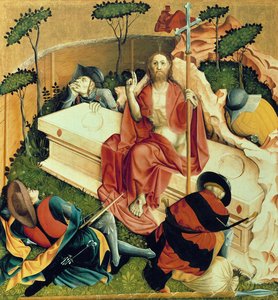
Ганс Фредрік Гуде
1400 - 1467 , Німеччина
Короткі факти
- Artistic Movement Or Style: Пізній готизм/Ренесанс
- Artists Or Movements Influenced By This Artist: ['Ренесанс']
- Artists Who Influenced This Artist:
- Скандинавські стилі
- Нідерландські стилі
- Date Of Birth: c. 1400
- Date Of Death: 1467
- Full Name: Hans Multscher
- Nationality: Німецький
- Notable Artworks:
- Марія Магдалина
- Чоловік смутку
- Група імператорів
- Вуццакерський алтарь
- Place Of Birth: Reichenbach, Німеччина
Пов'язані статті

Правило 500 пікселів: що насправді робить фотографію достатньо хорошою, щоб стати картиною маслом
Припиніть витрачати гроші на невдалі замовлення. Дізнайтеся про «правило 500 пікселів» від експертів у галузі мистецтва, щоб ваші фотографії ідеально підходили для написання олійних портретів вручну. Дізнайтеся, як роздільна здатність, світло та геометрія впливають на схожість, і як уникнути поширених помилок стиснення фотографій.

Рама не є нейтральною: Поепошневе керівництво з правильного вибору (та п'ять помилок, що коштують дорожче за саму картину)
Припиніть припускати дорогі помилки при оформленні в рами. Дізнайтеся від експертів OriginalUniqueArt, як підбирати рами відповідно до епох, палітр та технік живопису. Наш професійний посібник розкриває основні правила оформлення — від старовинних майстрів до поп-арту, щоб ваша колекція виглядала як музейний експонат, а не як другорядна деталь.

Фізичний глосарій: що перевірити в чорнилі, папері, фарбі та рамі
Припиніть питати, чи є репродукція «музейної якості», і почніть її перевіряти. Наш експертний посібник розшифровує технічний глосарій чорнил, паперу та пігментів, щоб допомогти вам відрізнити справжні художні جيклі-принти від звичайних плакатів. Опануйте науку довговічності мистецтва разом із OriginalUniqueArt.

Чому олійні картини пишуться на льоніні: полотно щільністю 300 г/м², що лежить під шаром фарби
Дізнайтеся, чому OriginalUniqueArt використовує преміальне лляне полотно щільністю 300 г/м² для наших картин олією ручного роботи. Дізнайтеся, як виняткова міцність і текстура льоняних волокон забезпечують архівну стабільність, запобігають розтріскуванню та створюють професійну фактуру (tooth), яку потребують майстри живопису для створення довговічних шедеврів.

Заплуталися у видах полотна? Наші експерти з мистецтва порівнюють 100% льон, матовий архівний папір, глянцеву та матову бавовну. Дізнайтеся, яка основа найкраща для олійного живопису порівняно з принтами, отримавши реальні ціни, технічні характеристики та професійні поради, щоб ваш витвір мистецтва служив усе життя.
