Переглянути в інтер'єрі
 Надіслати
 Поділитися
 Деталі
 Посібник

 Завантажити
 Схожі предмети колекціонування
 Рентгенівське дослідження
 Слайд-шоу
 Статистика переглядів
Форель
 Олія на полотні
- Настінне мистецтво
- Реалізм
 1873
1873- — XIX століття
 65.0 x 98.0 cm
 Музей д’Орсе
 Читати далі
Гікле / Художній принт
Музейна якість друку جيкле або на полотні з оперативним виготовленням та різноманітними варіантами фінішної обробки. ( Купити картину ручної роботи Перейти до цифрових зображень)




P118B ₴10

P118H ₴10

P118W ₴10

P438Z ₴10

P508JH ₴12

P508YH ₴12

P805H ₴10

P805Z ₴10

P919BZ ₴10

P919G ₴10

P919XJ ₴10

P959ZH ₴10

P968JZ ₴12

W106C ₴8

W218G ₴10

W218JH ₴8

W218Y ₴10

W307PJ ₴10

W316G ₴10

W316PJ ₴8

W316Y ₴10

W398PJ ₴8

W4111J ₴10

W500HY ₴15

W500JH ₴15

W692G ₴12

W849H ₴8

W940BG ₴15

W953PJ ₴8




Обирайте з наших стандартних розмірів, що відповідають оригінальним пропорціям твору мистецтва.

Введіть необхідну ширину та висоту, щоб принт ідеально підійшов до вашої рами або стіни. Принт можна лише обрізати, але не можна зробити більшим за оригінал, тому при зміні пропорцій частина зображення буде втрачена. Перед друком ми надсилаємо вам цифровий макет для затвердження. Зображення на цій сторінці не відображає реальну обрізку — її можна побачити лише на макеті.
Доставка по всьому світу () за 2 тижні замість стандартних 4/5 тижнів. (22 Жовтень)

Безкоштовна експрес-доставка по всьому світу

Високоякісне лляне полотно

Повне страхове покриття доставки

Гарантія повернення митних зборів

Гарантія точного відтворення кольорів

Політика повернення протягом 100 днів (лише у разі виявлення дефектів)

Гарантія повернення 100% коштів

Знижка на оптові замовлення
 Скляний варіант доступний лише для розмірів до 110 см

Форель
Гікле / Художній принт
Розмір репродукції
-


Загальна вартість
₴ 3589
Форель: дослідження реалізму Гюстава Курбе
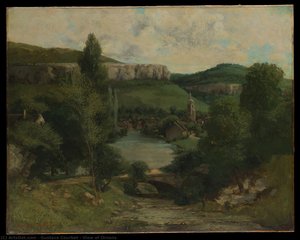
Гюстав Курбе, ключова постать у французькому живописі XIX століття та лідер руху реалізму, створив «Форель» у 1873 році. Ця картина, виконана олією на полотні розміром 65 x 98 см, зберігається у славетному Музеї д'Орсе в Парижі, Франція. Твір є втіленням відданості Курбе зображенню природи з непохитною точністю та фокусом на повсякденних сюжетах.
Реалістичне зображення природи
«Форель» являє собою вражаюче реалістичний портрет великої плямистої форелі, що спочиває на кам'янистому дні біля води. Риба, яка здається або спійманою, або вже мертвою, нерухомо лежить перед глядачем, позбавлена будь-яких спроб ідеалізації. Майстерність Курбе очевидна в його ретельному відтворенні луски, плавців та мускулатури форелі, що створює неймовірно життєподібне враження. Сцена викликає відчуття тихого споглядання, запрошуючи до роздумів про красу та крихкість природи.
Художній стиль: прийняття реалізму
Художній стиль Курбе у «Форелі» міцно вкорінений у його відданості реалізму. Відкидаючи канони академічного живопису та романтизовані бачення попередніх течій, Курбе прагнув змалювати світ таким, яким він бачив його безпосередньо. Цей підхід був революційним для свого часу, кидаючи виклик усталеним нормам і прокладаючи шлях для подальших мистецьких розробок, таких як імпресіоналізм та кубізм. Відсутність прикрас у картині та зосередженість на буденному сюжеті — одній лише форелі — підкреслили його прагнення змалювати реальність без жодного хисту чи фальші.
Життя та контекст Курбе
Народившись в Орнані, Франція, 10 червня 1819 року, Гюстав Курбе прожив життя, позначене як мистецькими інноваціями, так і соціальним коментарем. Його роботи часто відображали реалії життя робітничого класу та кидали виклик суспільним нормам. Після його участі в Паризькій комуні у 1871 році він зіткнувся з юридичними наслідками і зрештою жив у вигнанні в Швейцарії до своєї смерті в 1877 році. «Форель», створена саме в цей період, може бути інтерпретована як відображення особистих обставин Курбе — відчуття обмеженості та, можливо, навіть символічне представлення самого художника як того, хто був спійманий або приборканий.
Символізм та емоційний вплив
Окрім технічної досконалості, «Форель» несе в собі глибокі шари символізму. Сама риба уособлює силу, стійкість і притаманну природі потужність. Її нерухомість можна трактувати як момент тихого роздуму, що запрошує глядачів оцінити красу навіть у найбільш звичайних на перший погляд об'єктах. Приглушена палітра кольорів, де домінують коричневі, сірі та зелені відтінки, створює стриману, але реалістичну атмосферу, викликаючи відчуття спокою та інтроспекції. Зрештою, «Форель» — це не просто зображення риби; це потужне свідчення відданості художника реалізму та його глибокого зв'язку з природним світом.
Запитання та відповіді
Чи можу я замовити олійну репродукцію «Форель»?
Ви можете замовити написану вручну репродукцію твору «Форель» Гюстав Курбе безпосередньо на його сторінці Репродукція ручного письма: репродукція олією ручного розпису на лляному полотні, під замовлення.
Яке відчуття передає «Форель» Гюстав Курбе?
Переданий настрій твору «Форель» Гюстав Курбе — це Спокій та гармонія, а його емоційна тональність — Рефлексивний.
Чи можу я побачити «Форель» Гюстав Курбе на власній стіні перед покупкою?
Ви можете приміряти «Форель» Гюстав Курбе на власну стіну за допомогою сторінки AR-перегляд з використанням технології доповненої реальності на сумісному пристрої.
Біографія митця
Gustave Courbet (1819-1877): Pioneer of Realism
Jean Désiré Gustave Courbet, born in Orléans, France, on June 10, 1819, stands as a monumental figure in the history of art – a rebel who irrevocably altered the course of nineteenth-century painting. His artistic journey transcends mere pigment and canvas; it’s a chronicle steeped in social critique, unwavering conviction, and an uncompromising dedication to portraying reality exactly as he perceived it: unvarnished, visceral, and profoundly truthful. Growing up within a relatively prosperous bourgeois household, Courbet benefited from his mother's encouragement to pursue his artistic inclinations – a nurturing that would propel him toward a revolution within the art world itself. His formal education commenced at the École des Beaux-Arts in Paris in 1839, yet he swiftly recognized the stifling limitations imposed by academic conventions and Romantic idealism. While acknowledging influences from Eugène Delacroix and Théodore Géricault – artists who wrestled with grand narratives of heroism and emotion – Courbet forged his own path, prioritizing observation over imagination and veracity above tradition.The Birth of Realism: Challenging Artistic Conventions
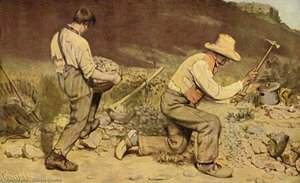
Courbet’s artistic trajectory was defined by a deliberate repudiation of prevailing aesthetic standards. He eschewed mythological tales or heroic allegories; his gaze remained fixed on the everyday lives of ordinary individuals – particularly those engaged in labor and rural existence. This commitment to depicting the world without embellishment—what would soon become known as Realism—encountered initial scorn from critics accustomed to more polished, idealized representations. Early canvases explored landscapes and portraits, but swiftly pivoted toward scenes of working-class life, rendered on a monumental scale traditionally reserved for historical or religious paintings. This purposeful choice wasn’t merely stylistic; it was an assertion about the inherent dignity and importance of subjects often overlooked by artistic discourse. The Stone Breakers (completed in 1849), tragically destroyed during World War II, exemplifies this approach—a stark portrayal of two laborers toiling away under oppressive conditions, their faces obscured by exhaustion and despair. Critics deemed it vulgar and lacking in aesthetic merit, reflecting the prevailing prejudices of the time. Yet, Courbet steadfastly defended his artistic vision, arguing that art should reflect the realities of human experience.Influences and Artistic Development
Courbet’s formative years were marked by exposure to influential artists like Eugène Delacroix and Théodore Géricault—artists who grappled with grand narratives of heroism and emotion. However, Courbet deliberately distanced himself from Romantic idealism, prioritizing observation over imagination and truth over convention. He recognized the legacy of Caravaggio – particularly his masterful use of chiaroscuro (light and shadow) – as a source of inspiration for dramatic realism. This influence is palpable in his later works, where he skillfully manipulated light to heighten emotional impact and convey psychological depth. His artistic development progressed through meticulous study and experimentation, culminating in a distinctive technique characterized by thick impasto—applying paint thickly onto the canvas—that emphasized the materiality of the medium itself.Major Works and Artistic Philosophy
Courbet’s oeuvre encompasses a remarkable range of subjects – landscapes, portraits, still lifes, and genre scenes depicting everyday life. Among his most celebrated paintings are A Burial at Ornans (1850-51), a monumental canvas portraying a provincial funeral that provoked considerable controversy upon its exhibition. Its sheer scale—typically reserved for historical canvases—combined with its unflinching realism and absence of sentimental embellishment shocked audiences accustomed to idealized depictions of piety and nobility. Courbet’s artistic philosophy extended beyond subject matter; he championed the notion that art should serve as a conduit for social commentary, mirroring the realities of human existence without resorting to moralizing pronouncements. He famously declared, “I paint what I see.” This uncompromising stance resonated deeply with fellow artists who sought to challenge established norms and explore new avenues of artistic expression.Legacy and Historical Significance
Gustave Courbet’s impact on subsequent art movements is undeniable. While he acknowledged influences from earlier masters like Caravaggio for their dramatic realism and masterful use of light, his contribution transcended mere imitation. He fundamentally reshaped the landscape of nineteenth-century painting by liberating artists from the constraints of Romantic idealism—encouraging them to embrace observation and strive for truthful representation. His unwavering advocacy for artistic freedom cemented his position as a champion of revolutionary ideas during a period marked by social upheaval. Courbet’s participation in the Salon des Refusés in 1863 – an exhibition showcasing artworks rejected by the official Salon – symbolized defiance against academic dogma and reaffirmed his commitment to artistic integrity. He died peacefully in Paris on December 31, 1877, leaving behind a legacy that continues to inspire artists and scholars alike—a testament to the transformative power of art to confront societal injustices and elevate human experience. His enduring influence can be seen in movements like Impressionism and Post-Impressionism, where artists sought to capture fleeting moments of sensory perception and express subjective emotion with unprecedented boldness.
Гюстав Курбе
1819 - 1877 , Франція
Довідкова інформація
- Artistic Movement Or Style: Реалізм
- Artists Or Movements Influenced By This Artist:
- Імпресіонізм
- Пост-імпресіонізм
- Artists Who Influenced This Artist:
- Ежен Делакруа
- Теодор Жерико
- Караваджо
- Date Of Birth: 10 червня 1819
- Date Of Death: 31 грудня 1877
- Full Name: Gustave Courbet
- Nationality: Француз
- Notable Artworks:
- «Заливна брама в Оптевозі»
- Гра зі шахівницями
- Жінка в білих панчохах
- Place Of Birth: Орланс, Франція
Схожі статті
Топ-10 шедеврів реалізму: картини, що змінили мистецтво | OriginalUniqueArt.com
Відкрийте для себе 10 шедеврів реалізму від Курбе, Мілле та інших видатних художників! Історія створення, унікальна техніка та вплив на мистецтво. Репродукції картин преміум-класу для вашого дому – OriginalUniqueArt.com

Romantic Realism's Finest: 10 Masterpieces for Your Home | OriginalUniqueArt
Explore 10 defining masterpieces of Romantic Realism! Discover Courbet, Millet & Daumier's powerful paintings—capturing emotion and social realities. Find museum-quality reproductions for your home at OriginalUniqueArt.com.
Топ-25 шедеврів Musée d'Orsay: Від Моне до Ван Гога | OriginalUniqueArt.com
Відкрийте для себе 25 шедеврів Musée d'Orsay: Моне, Ван Гог, Ренуар та інші імпресіоністи. Історія мистецтва, техніки живопису та натхнення для вашого інтер'єру. Купуйте репродукції картин преміум-якості на OriginalUniqueArt.com!
25 шедеврів Густава Клімта: мистецтво, декор та золотий вік Відня | OriginalUniqueArt
Відкрийте 25 найвідоміших картин Густава Клімта! Мистецтво модерну, віденський сецесіон та золотий вік Відня. Репродукції картин високої якості для вашого дому на OriginalUniqueArt.com. Дослідіть колекцію онлайн!
Gustave Courbet: Realism's Revolutionary Vision & the Social Canvas of 19th-Century France
Explore the revolutionary art of Gustave Courbet, pioneer of Realism. Discover his iconic paintings, social commentary, and lasting impact on 19th-century French art history. Expert analysis & insights.